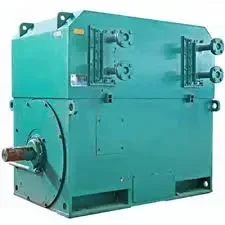
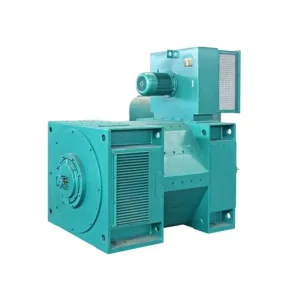
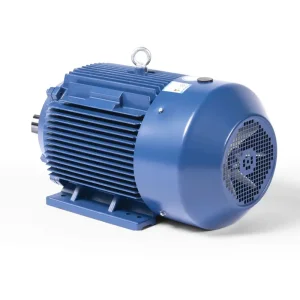
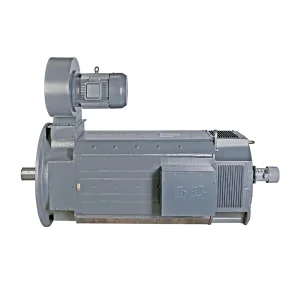
OEM Flameproof Three Phase Induction Motors Suppliers & Companies

High-Performance Explosion-Proof Motor Designs, Engineered for Safety & Durability in Critical Environments Worldwide

1. The Critical Role of Flameproof Induction Motors in Modern Heavy Industries

In hazardous industrial environments where flammable gases, vapors, or combustible dusts represent permanent operating threats, flameproof electric machinery serves as the cornerstone of plant safety and operational continuity. Under directives set by standardizing bodies worldwide (including ATEX, IECEx, and NEC rules), a flameproof enclosure (designated as "Ex d" or "Ex t") does not prevent an internal explosion from occurring. Instead, it guarantees that any internal detonation will be securely contained within the structural casing, preventing fire propagation to the surrounding atmosphere.

For decades, industrial operations in petrochemical extraction, deep-shaft coal mining, heavy metal processing, and specialized chemical syntheses have relied on three-phase induction motor topologies. These systems combine high mechanical reliability with simplified maintenance protocols and outstanding electrical efficiency. As an industry leader, Xi'an Lite SIMO Motor Co., Ltd. (LITESIMO) has continuously pushed the frontiers of motor insulation integrity, housing structural resilience, and energy conversion efficiency to provide the global market with premium-grade flameproof systems tailored for the most grueling environments.

2. Architectural Analysis: Ex d vs. Ex t Technologies

Selecting a safety-rated motor requires distinguishing between environments threatened by gaseous hazards and those endangered by dense particulate matter:

Flameproof Gas Enclosures (Ex d / Ex de)

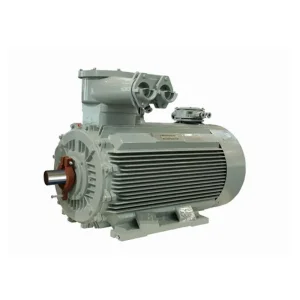
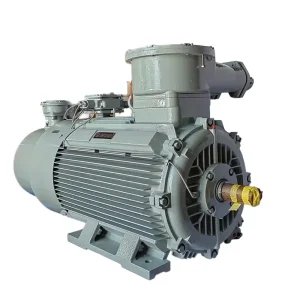
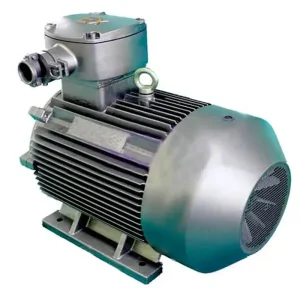
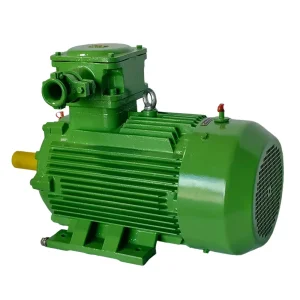
Under IEC 60079-1, Ex d motors feature explosion-proof mating paths (joint clearances). If gas permeates the motor housing and is ignited by electrical arcing, the escaping gases are forced to traverse threaded or flanged joints (flame paths). As the hot gases escape, their energy is dissipated, cooling them below the ignition threshold of the external atmosphere. Simo Motor's YBX3, YBX4, and YBX5 Series represent the peak of this design paradigm, meeting stringent gas group standards (IIA, IIB, IIC) and temperature classes (typically T4 to T6).

Dust Ignition-Proof Enclosures (Ex t / Extb / Extc)

Governed by IEC 60079-31, dust explosion-proof models (such as Simo’s YFB3 Series) focus on preventing dust ingress. Combustible dust layers on hot surfaces can insulate the motor and ignite. Therefore, Ex t designs utilize ultra-high ingress protection (IP65/IP66) and precise outer shell thermal regulation to ensure that external dust blankets cannot contact live electrical components or reach auto-ignition temperatures.

60+
Years of R&D Heritage
19,500+
Motor Specifications
260+
Advanced Engineers
380M+
RMB Fixed Assets

3. Simo Motor: A Legacy of Engineering Excellence Since 1955

Originally founded in 1955 under state oversight, Xi’an Lite SIMO Motor Co., Ltd. has developed into a top-tier designer and manufacturer within the Chinese mechanical industry. Over more than 60 years of growth, the company has consolidated 3 specialized manufacturing factories and one subsidiary, supported by 1,172 sets of advanced manufacturing and test systems.

Today, LITESIMO maintains a registered capital of 21.5 million RMB. Our workforce of 1,200+ employees includes more than 260 technical engineers, 21 senior engineers, and 15 senior expert engineers. This talent pool drives continuous advancements in high-voltage AC motors, DC motors, and flameproof induction systems. Our catalog spans 34 major series, 1,800 varieties, and over 19,500 specifications, covering a power spectrum from 0.35 kW to 25,000 kW.

LITESIMO Motor Factory Facility Overview

Chronological Development of SIMO Motor

1955
SIMO Motor is established under state leadership, pioneering industrial motor engineering in northwest China.
1957
Relocation to a new, expanded production facility within Xi'an city limits to scale capacity.
1966
Name changed to Xi'an Motor Factory following structural integrations.
1999
Reformed from a state-owned enterprise into a agile, customer-oriented limited liability company.
2005
SIMO Motor Group is established, managing 14 specialized subsidiaries.
2006
Relocation to a state-of-the-art, high-tech manufacturing park, incorporating modern automation systems.
2009
Rebranded to Tech Full Simo Motor, aligning corporate identity with global technology requirements.
2019 - Present
Expanding global exports, integrating smart manufacturing, and developing high-efficiency IE4 and IE5 technologies.

4. Technical Integration: VFD Systems in Hazardous Locations

Integrating Variable Frequency Drives (VFDs) with induction motors is a standard approach for modern energy conservation. However, in hazardous zones, using a VFD introduces specific challenges that require careful engineering:

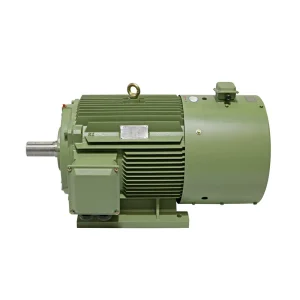
  • Thermal Management at Low Speeds: When induction motors slow down, their shaft-mounted cooling fans lose efficiency. For VFD-driven hazardous applications, auxiliary flameproof forced-ventilation fans (found in Simo's YBBP and YVFE3 series) maintain cooling capacity across the entire frequency range.
  • High-Frequency Voltage Pulses: VFD outputs can induce voltage reflections at the motor terminals. This stresses the winding insulation, potentially causing internal short circuits. SIMO protects winding systems by utilizing premium Class H insulation, reinforced corona-resistant magnet wire, and vacuum pressure impregnation (VPI) techniques.
  • Bearing Currents: Common-mode voltages from VFDs can generate bearing discharge currents, leading to electrical discharge machining (EDM) and bearing failure. Grounding brushes, insulated bearings, and ceramic rolling elements are integrated into our variable-frequency motor lines to prevent these issues.

By combining these design features, Simo Motor's YBBP low-voltage explosion-proof variable-frequency three-phase motors protect installations while optimizing energy use.

Advanced Production & Testing Facilities

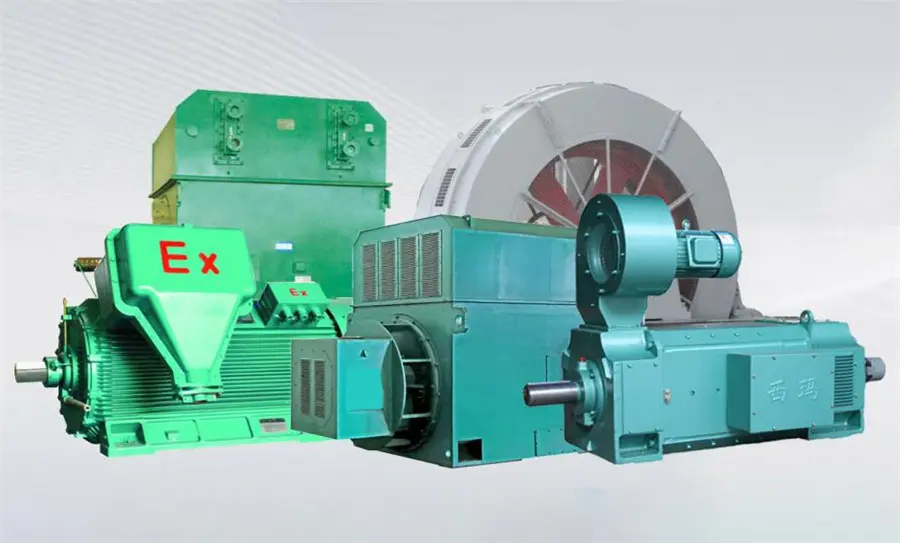
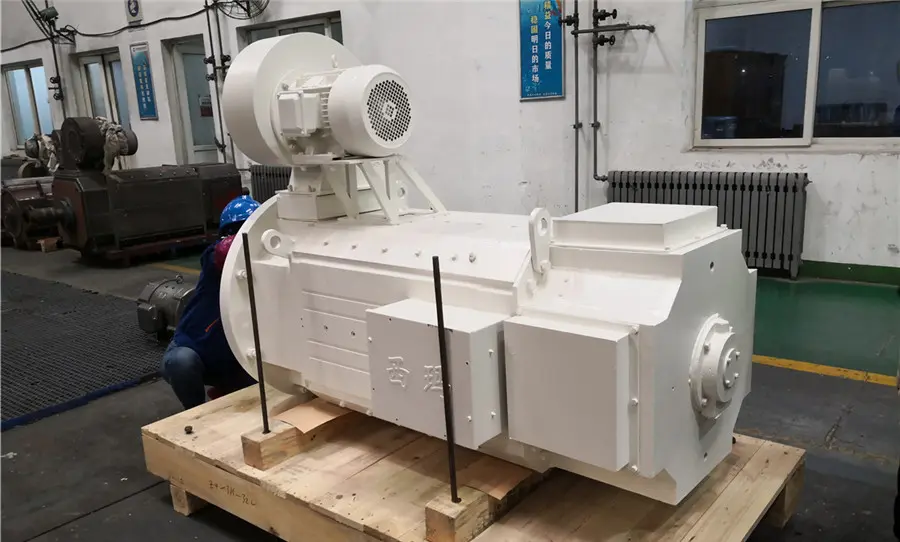
Our manufacturing processes rely on advanced equipment to ensure precise tolerances, balanced rotors, and gas-tight flameproof joints:
SIMO Production Equipment 1
SIMO Production Equipment 2
SIMO Production Equipment 3
SIMO Production Equipment 4

5. Global Certifications & Quality Management

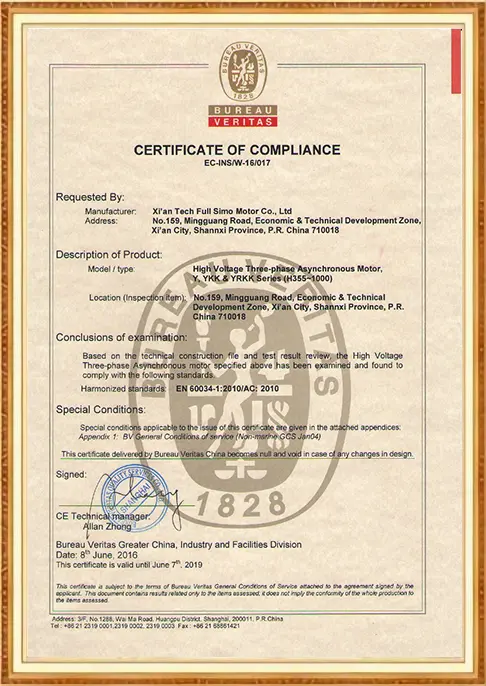
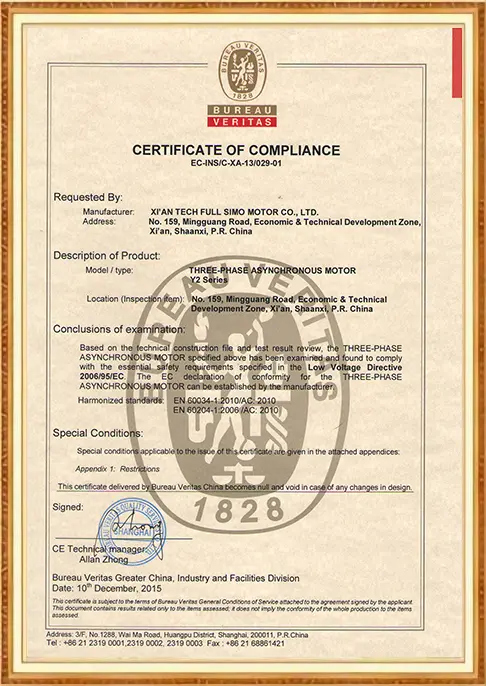
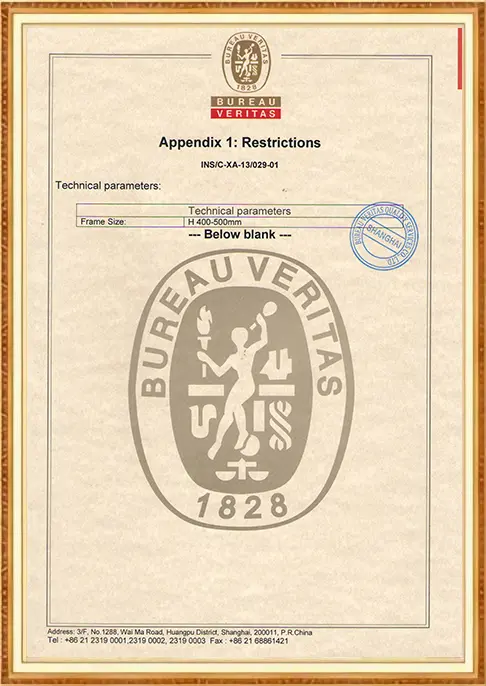
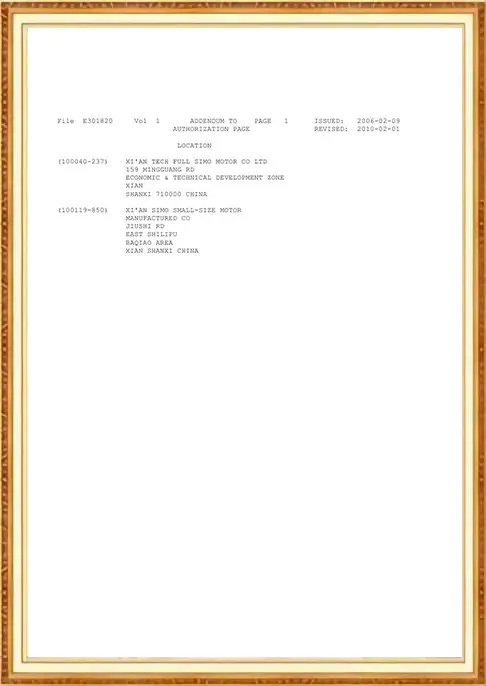
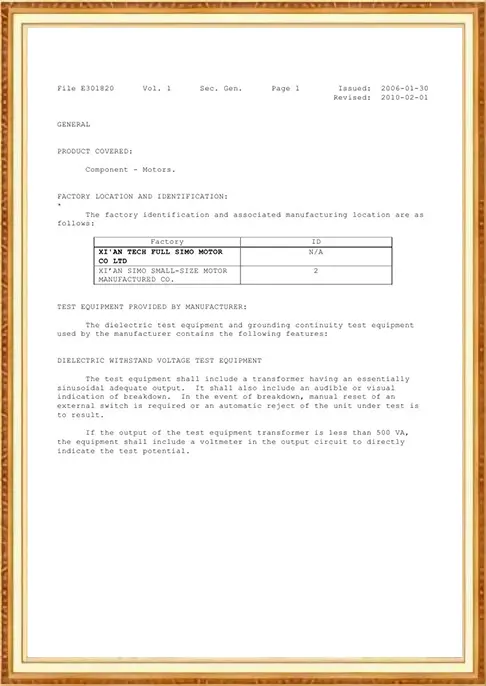
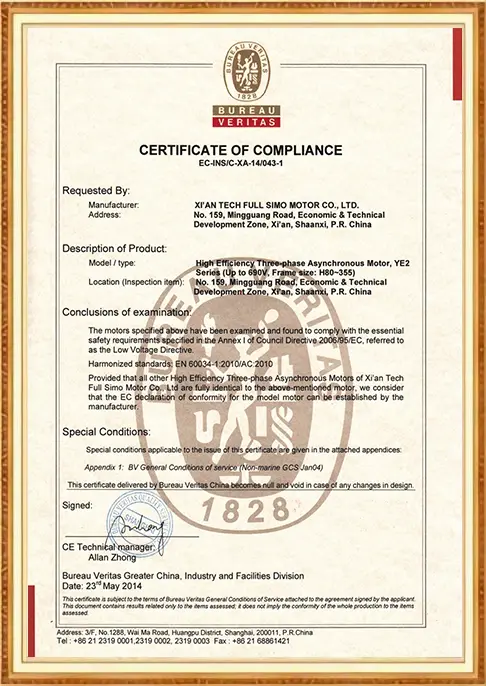
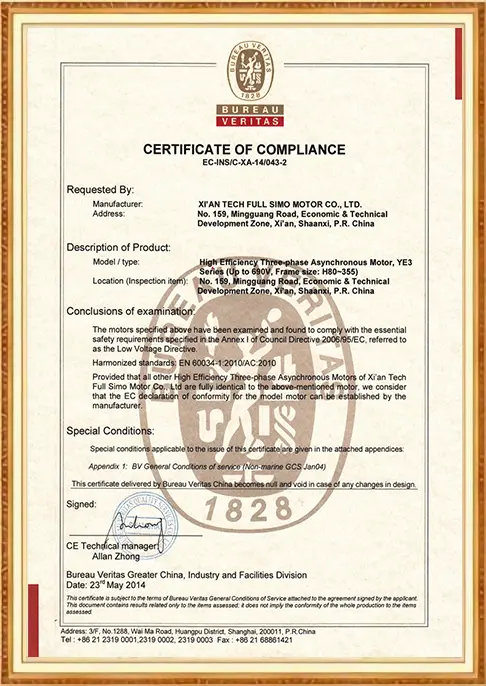
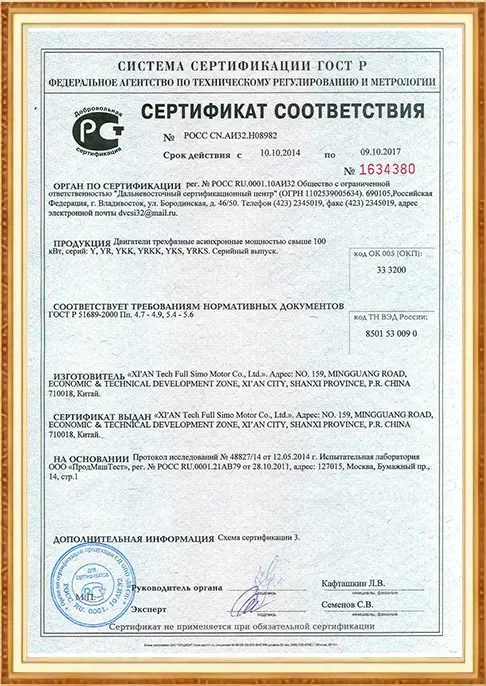
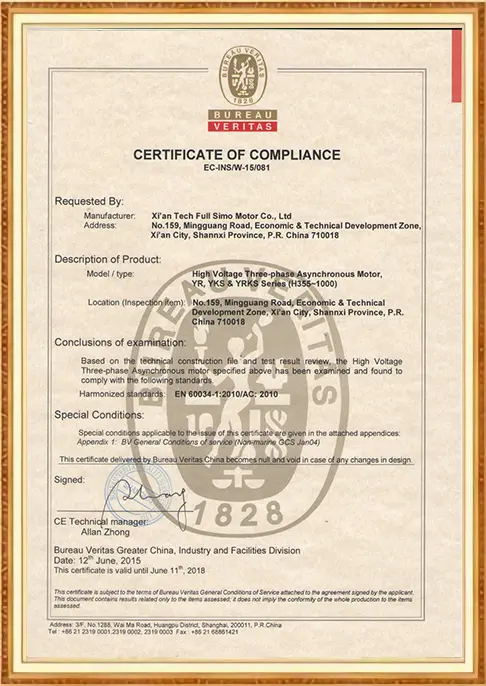
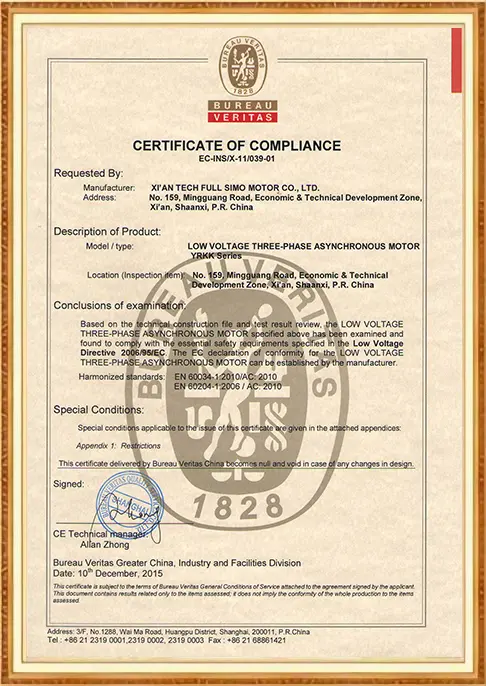
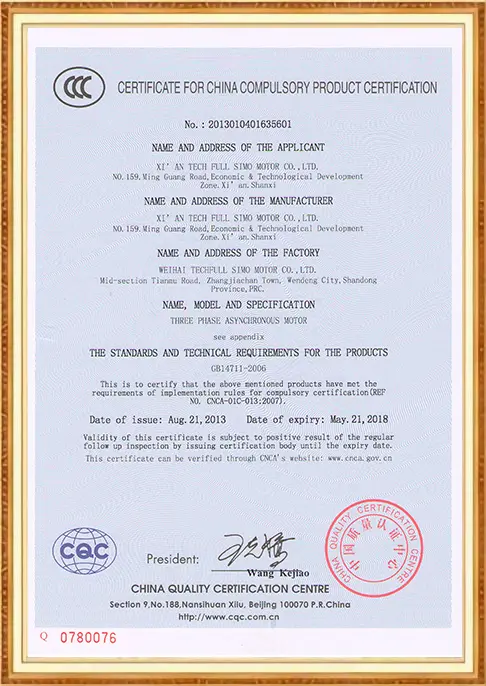
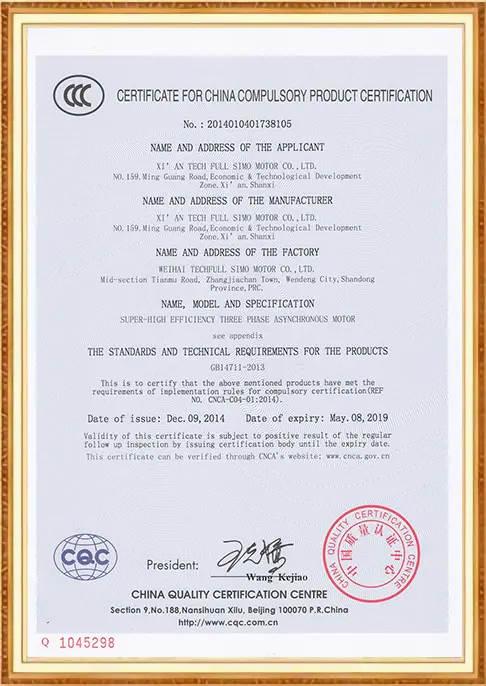
Industrial safety products require rigorous validation to ensure international compliance. Every flameproof motor produced at our Xi'an facilities undergoes strict quality checks before shipping. Simo Motor has passed ISO9001 Quality System Certification, European Union "CE" certification, United States "UL" standards, Russian "GOST", and CQST (China National Quality Supervision and Test Center for Explosion Protected Electrical Products).

These certifications allow our motor systems to operate worldwide, helping customers meet national safety regulations in diverse regions.
Simo Quality Certificate 1
Simo Quality Certificate 2
Simo Quality Certificate 3
Simo Quality Certificate 4
Simo Quality Certificate 5
Simo Quality Certificate 6
Simo Quality Certificate 7
Simo Quality Certificate 8
Simo Quality Certificate 9
Simo Quality Certificate 10
Simo Quality Certificate 11
Simo Quality Certificate 12

6. Industry-Specific Solutions & Applications

SIMO designs systems customized to the demands of specific industries:

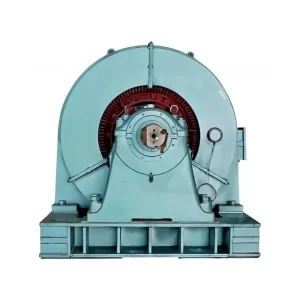
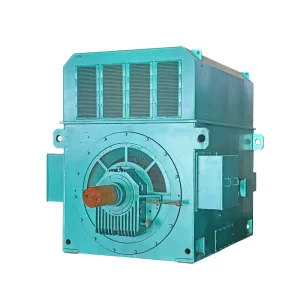
  • Coal Mining and Underground Extraction: Our heavy-duty wound-rotor motors (YR, YRKK, YRKS) and synchronous systems (TDMK series) provide high starting torque to drive slurry pumps, heavy conveyors, and crushing mills in deep mining operations.
  • Petrochemical Refining and Transport: In oil fields, refineries, and natural gas installations, YBX4 and YBX5 explosion-proof motors run pumping units, gas compressors, and product transfer systems safely.
  • Power Generation and Water Management: High-voltage asynchronous induction motors (YKK, YKS) drive critical high-volume water pumps and exhaust blowers in power plants and municipal installations.

7. Technical Roadmap: Transitioning to Ultra-High Efficiency (IE5)

The motor industry is transitioning toward higher efficiency classes under IEC standards. Operating high-efficiency motors lowers utility bills and reduces running temperatures. Because flameproof motors must regulate surface heat in explosive environments, cooler operation directly enhances plant safety.

By developing the YBX5 premium efficiency series, SIMO has integrated IE5-compliant induction motors into hazardous-area applications. Moving from IE3 to IE5 design standards requires premium silicon steels, optimized stator slot designs, and refined winding techniques. These elements reduce electrical losses by up to 30%, lowering total cost of ownership and reducing carbon emissions in heavy industrial plants.

Industrial Q&A: Key Considerations for Flameproof Systems

Q: What distinguishes a Flameproof (Ex d) motor from an Increased Safety (Ex e) motor?
An Ex d (flameproof) enclosure is built to contain an internal explosion and prevent flames from escaping into the surrounding environment. An Ex e (increased safety) motor is designed to prevent spark generation, high temperatures, and electrical arcs under normal and specified overload conditions, but its casing is not rated to withstand or contain internal explosions.
Q: Why are VFD-driven motors in hazardous locations subject to special temperature classifications?
At low operating speeds, motor cooling fans run slower, which can cause temperatures to rise. VFDs also introduce high-frequency voltage harmonics that generate extra heat in the windings. To prevent surface temperatures from exceeding safety limits (T-code limits), VFD-driven Ex motors must be tested with their matching drives or equipped with independent forced-cooling fans and thermistors.
Q: Can a dust-protected motor (Ex t) be deployed in gas-hazard environments (Ex d)?
Generally, no. Dust-protected motors are designed with tight seals to prevent particulate ingress and keep surface temperatures below ignition levels. They lack the engineered flame paths necessary to relieve and cool expanding gases during internal fuel-air explosions. Deploying an Ex t motor in a gaseous zone violates safety regulations unless it carries a dual Ex d / Ex t certification.
Q: What is the significance of the "IIC" gas group rating on explosion-proof motors?
The IEC classifies gases into Groups IIA, IIB, and IIC based on their spark ignition energy and flame propagation speeds. Group IIA includes gases like propane, IIB covers ethylene, and IIC includes the most volatile gases, such as hydrogen and acetylene. An IIC-rated motor features tighter joint tolerances and is qualified for use in Group IIA and IIB environments.
Q: How does frame material selection affect motor durability in chemical processing plants?
Chemical environments often contain corrosive gases that degrade standard motor casings. Simo Motor utilizes high-tensile gray cast iron for our flameproof frames, terminal boxes, and bearing brackets. Cast iron offers corrosion resistance, mechanical strength to contain internal explosions, and thermal mass to dissipate heat efficiently.