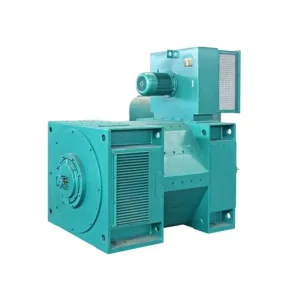
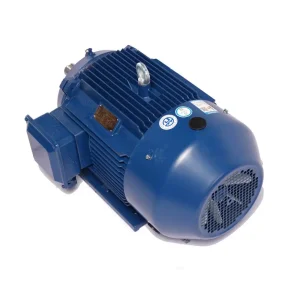
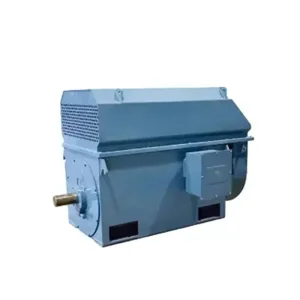
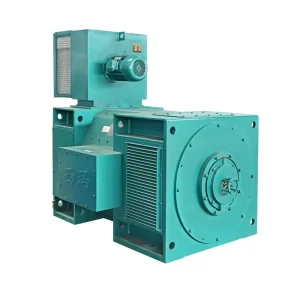
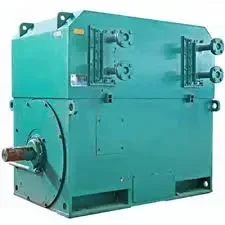
Pioneering safety and driving efficiency in extreme working atmospheres. Explore our premium-grade selection designed to exceed international standards.
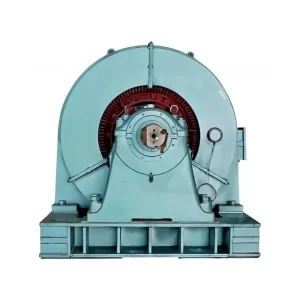
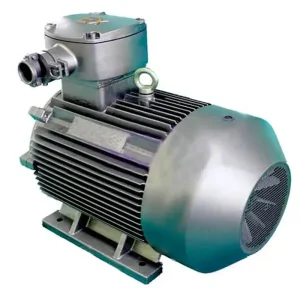
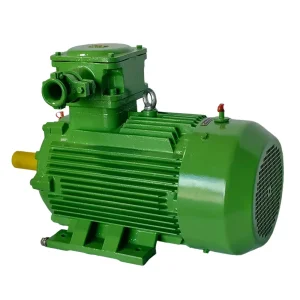
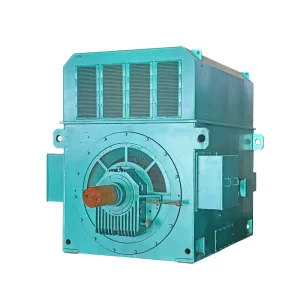
In modern heavy industries, explosion protection is not merely a compliance checkmark but a cornerstone of structural safety and personnel life-preservation. High-voltage (HV) and low-voltage (LV) three-phase asynchronous motors operating within volatile environments are subjected to aggressive gases, vapors, and combustible dust. Standard drive systems present constant ignition hazards via thermal surfaces, friction sparks, or electrostatic discharge. Under the rigorous frameworks of the European Union's ATEX Directive 2014/34/EU and global IECEx requirements, explosion-proof motors are engineered to eliminate these threats.
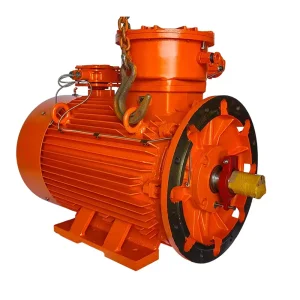
The fundamental mechanical paradigm relies on specific classification methodologies. SIMO's ATEX-certified motor series, including the YBX3, YBX4, and pioneering YBX5 high-efficiency platforms, employ the Ex d (flameproof protection type) design. This architecture ensures that if a volatile gas enters the internal enclosure and experiences ignition, the robust cast-iron casing (HT250 grade) contains the flame propagation, allowing hot gases to cool down significantly via specifically engineered flamepaths before exiting the enclosure.
Industrial operations vary widely depending on geography, calling for highly customized localized adaptations.
As global energy mandates shift towards absolute decarbonization, the industrial motor sector faces major regulatory challenges. The transition from IE3 to IE5 standards is already underway. SIMO is leading this effort by matching high-voltage and variable frequency operations with smart monitoring capabilities.
Our next-generation technological roadmap emphasizes the integrations of permanent magnet synchronous motors (PMSM) like the TDMK series and integration with variable frequency drives (VFD) via the YVFE3 and YJP series. The introduction of VFD controls reduces operational energy losses, but it introduces dangerous high-frequency currents capable of damaging standard motor bearings. To address this, SIMO integrates hybrid insulated bearings and grounding rings alongside ATEX-compliant VFD parameter limits, ensuring safe operation without thermal runaway or electric discharge.
| Series | Protection Type | Hazardous Zone Compatibility | Efficiency Level | Output Power Range |
|---|---|---|---|---|
| YBX4 Series | Ex d IIC T4 Gb | Zone 1 & Zone 2 (Gas) | IE4 (Super Premium) | 0.55 kW – 375 kW |
| YBX5 Series | Ex d IIC T4 Gb | Zone 1 & Zone 2 (Gas) | IE5 (Ultra Premium) | 0.55 kW – 375 kW |
| YFB4 Series | Ex tb IIIC T135°C Db | Zone 21 & Zone 22 (Dust) | IE4 (Super Premium) | 0.75 kW – 315 kW |
| YBK3 Series | Ex d I Mb | Underground Coal Mines | IE3 (Premium) | 0.55 kW – 315 kW |
Xi’an Lite SIMO Motor Co., Ltd. is a leading manufacturer specializing in large, medium, high, and low-voltage AC/DC electric motors, synchronous motors, and high-efficiency flameproof explosion-proof motors.
Ranking at the top of China's mechanical power transmission industry, SIMO operates a comprehensive 156,000 square meter industrial park. Our production integrates state-of-the-art mechanical processing, mold development, precision assembling, and automated system testing.
Why global procurement offices and heavy industry engineering divisions partner with SIMO Motor.
Located in the heavy machinery manufacturing hub of Xi'an, we leverage locally integrated steel production, casting, copper coil supply lines, and advanced raw material refinement processes. This localized industrial cluster insulates SIMO from volatile international supply fluctuations, enabling reliable delivery schedules and cost control.
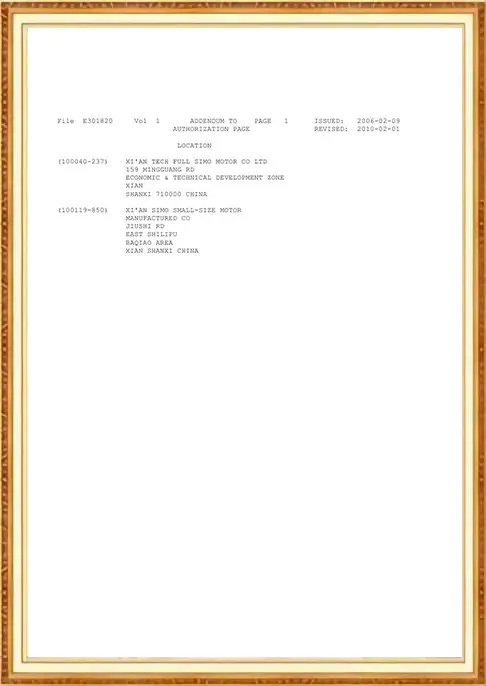
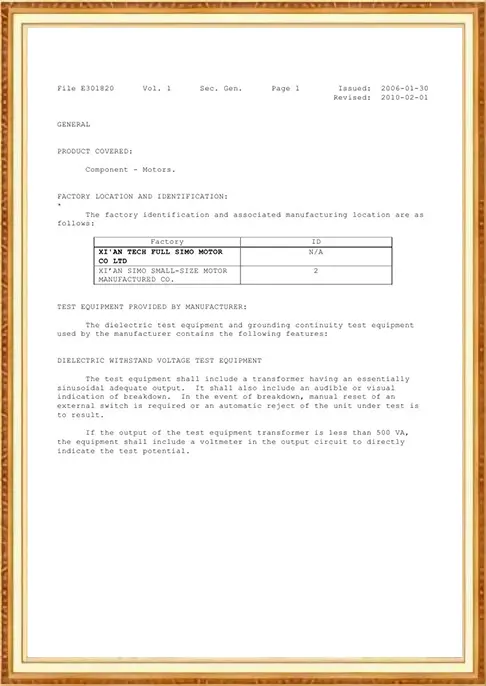
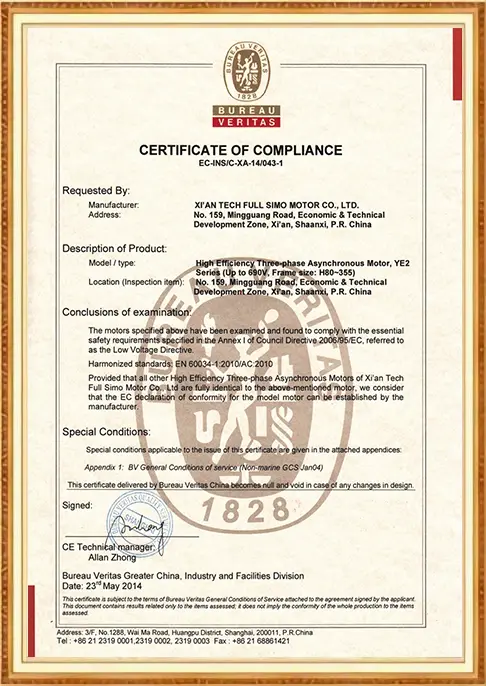
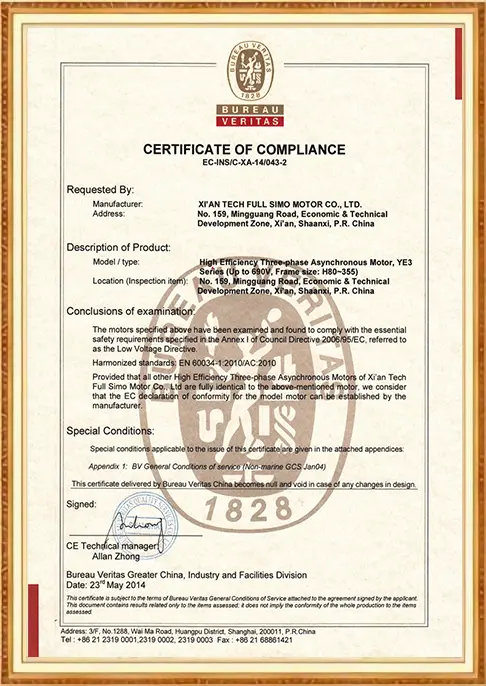
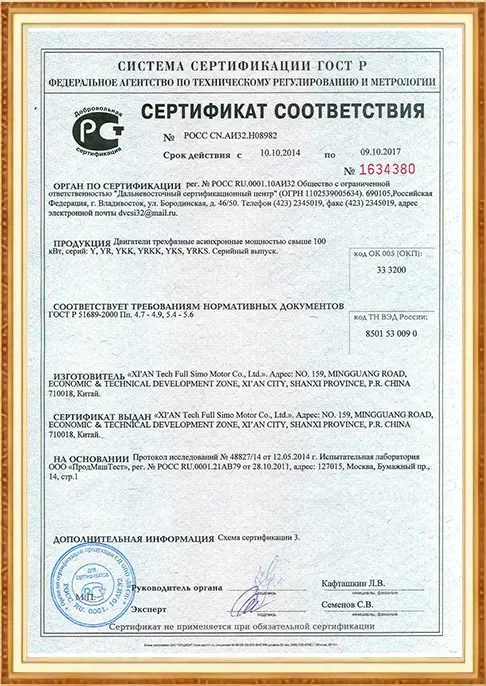
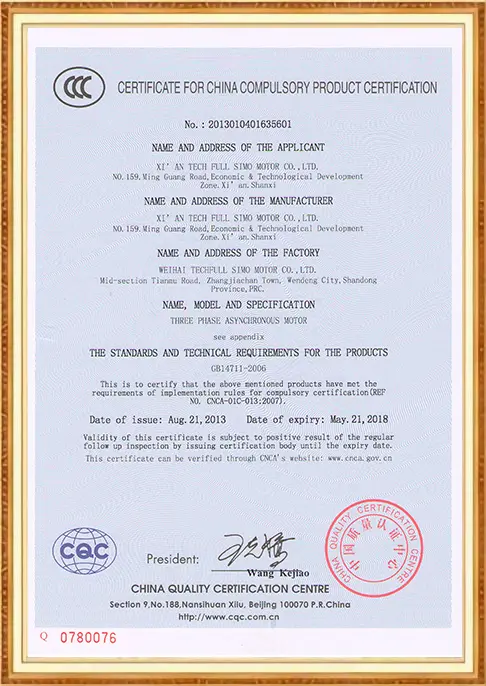
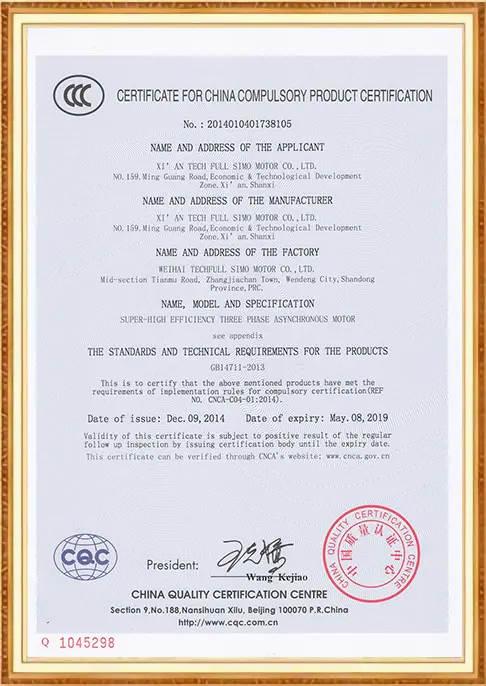
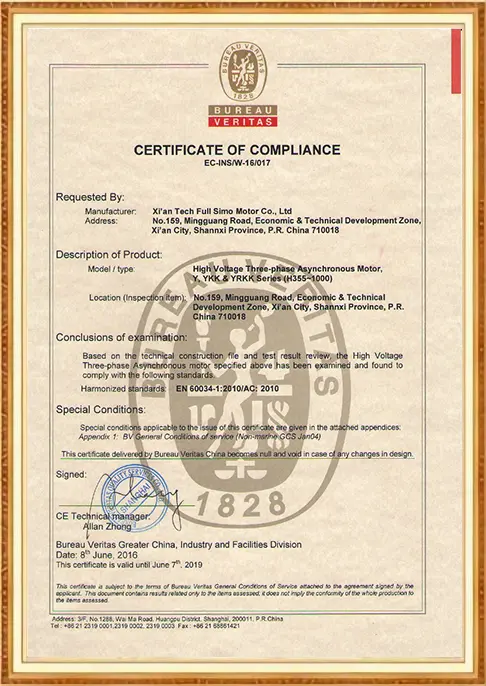
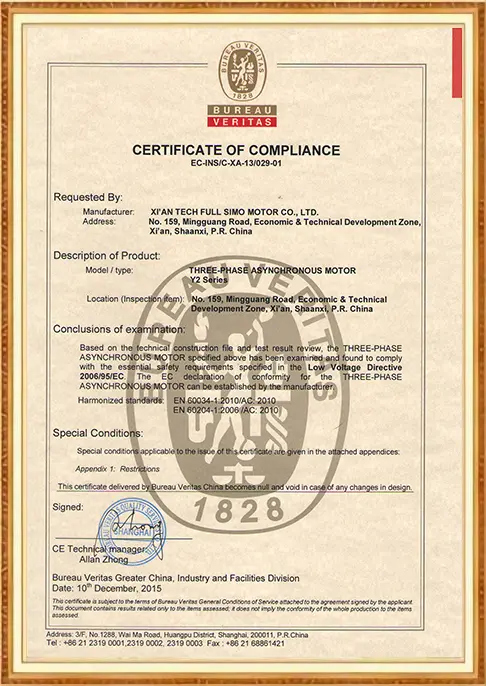
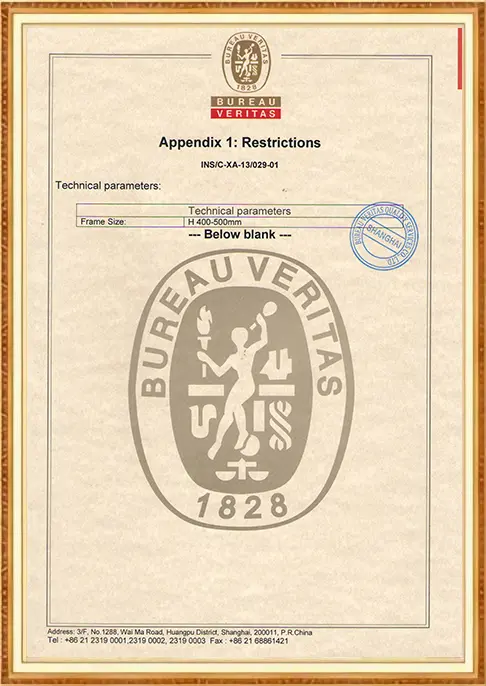
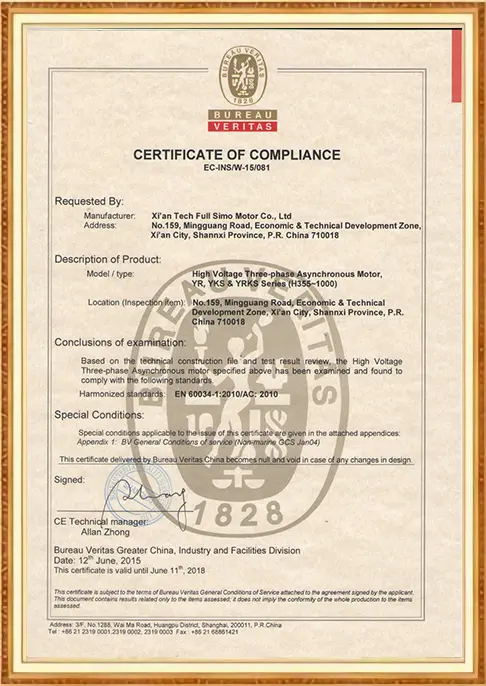
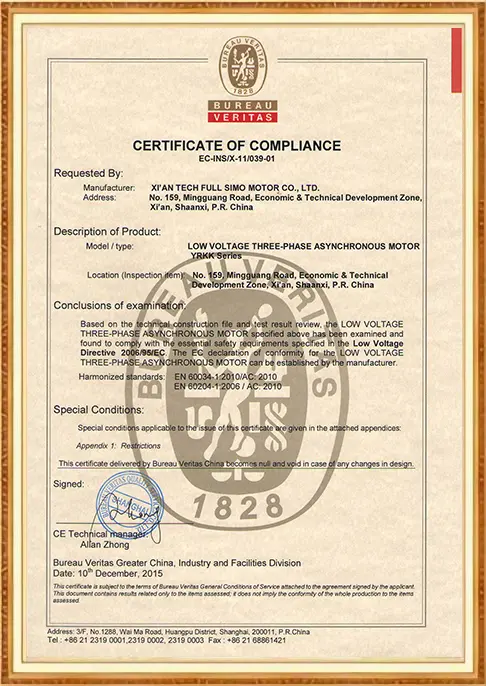
Our quality system is verified by international certification bodies. SIMO holds ISO9001, ATEX certification, IECEx registration, EU "CE", US "UL", and Russian "GOST" approvals. Testing facilities evaluate dielectric strength, load limits, and flamepath integrity under simulated high-stress conditions.
With a comprehensive output range from 0.35kW to 25,000kW, SIMO engineers customize electrical signatures, mechanical frames, mounting alignments, and sealing interfaces. Supported by 260+ technical specialists, we provide robust support throughout design, production, and field integration.
Over six decades of growth, transitioning from a state-owned facility to a leading global motor supplier.
| Year | Milestone Achieved | Strategic Impact |
|---|---|---|
| 1955 | SIMO Motor was established under national directives. | Laid the foundation for industrial motor production in North China. |
| 1957 | Relocation to the new dedicated production base in Xi'an. | Expanded manufacturing capacity for large-scale industrial motor components. |
| 1966 | Integration of local manufacturing lines, renaming to Xi'an Motor Factory. | Consolidated machining, winding, and assembly capabilities. |
| 1999 | Reformed into a limited liability company from a state-owned enterprise. | Improved market response and enabled flexible customized production. |
| 2005 | Establishment of SIMO Motor Group, encompassing 14 key subsidiaries. | Streamlined component sourcing and scaled up high-voltage motor output. |
| 2006 | Relocation to a modern high-tech industrial park. | Upgraded factory floor layout with advanced tooling and precision test labs. |
| 2009 | Rebranded to Tech Full Simo Motor. | Accelerated integration of variable frequency drive and high-efficiency motor development. |
| 2019 - Present | Expanded R&D in IE4/IE5 explosion-proof motors. | Strengthened global distribution of ATEX and IECEx certified drive systems. |
A look inside SIMO's production facilities, precision tooling, testing systems, and structural assembly lines.
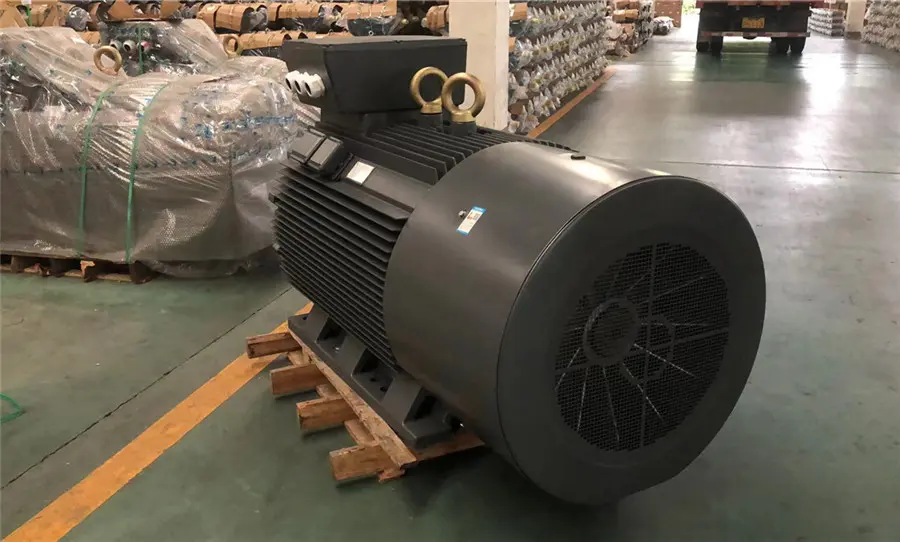
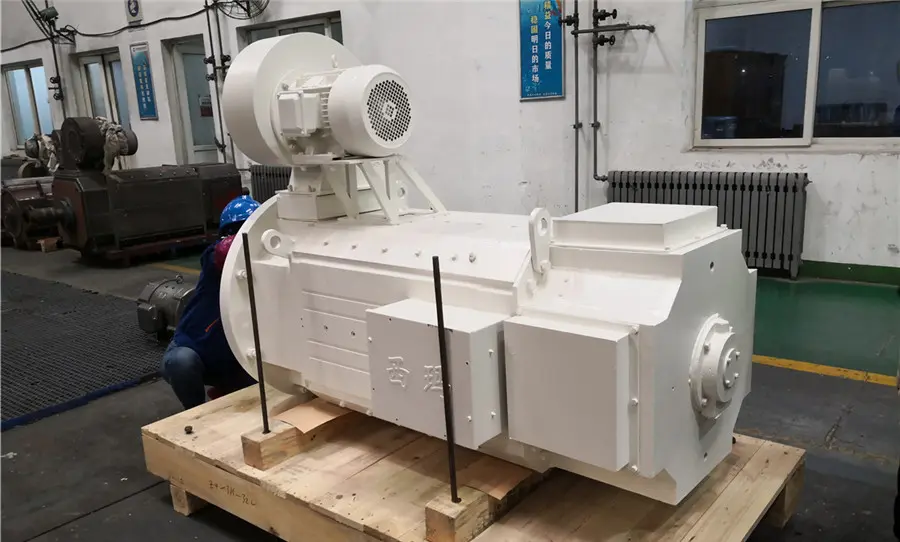
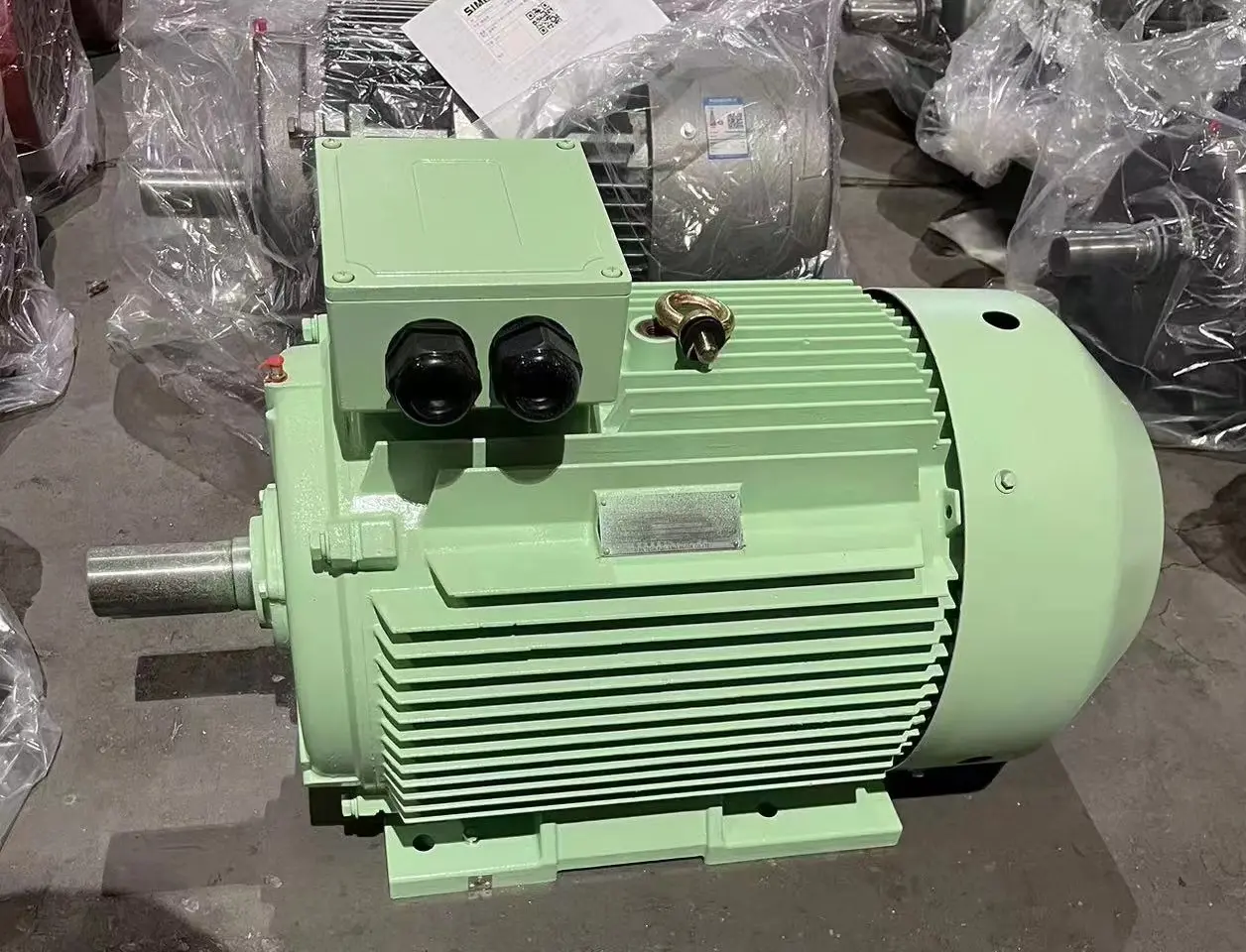
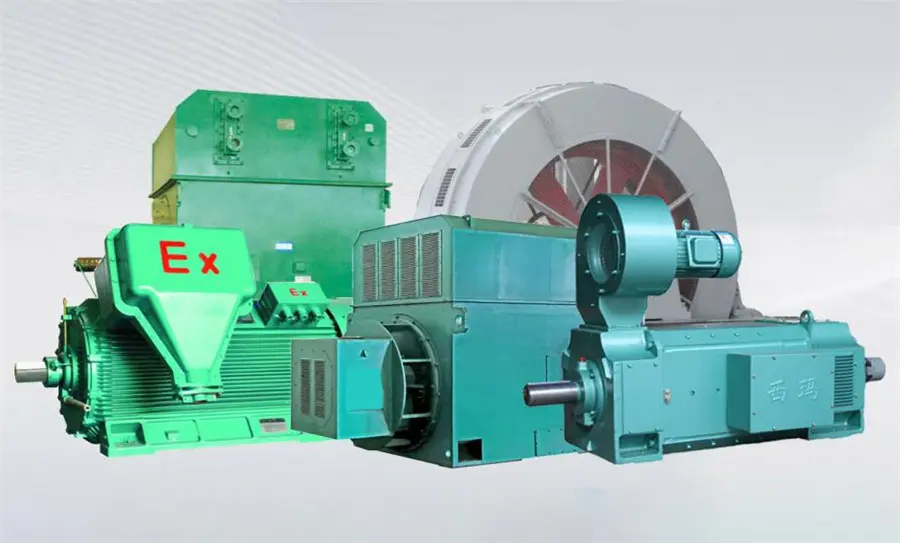
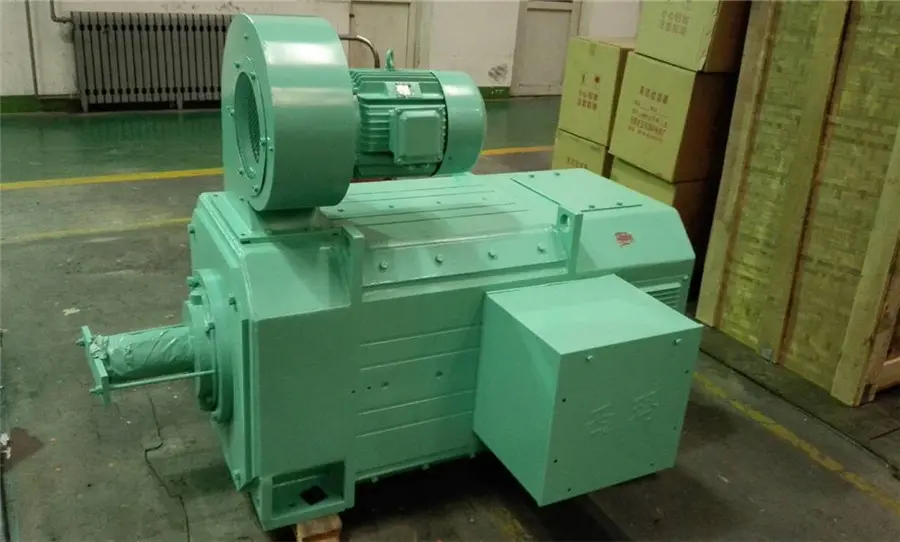
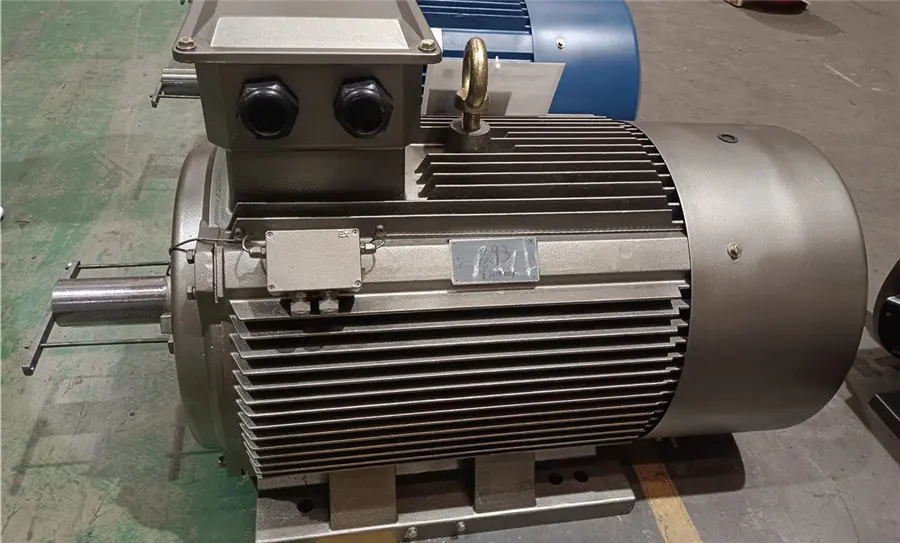
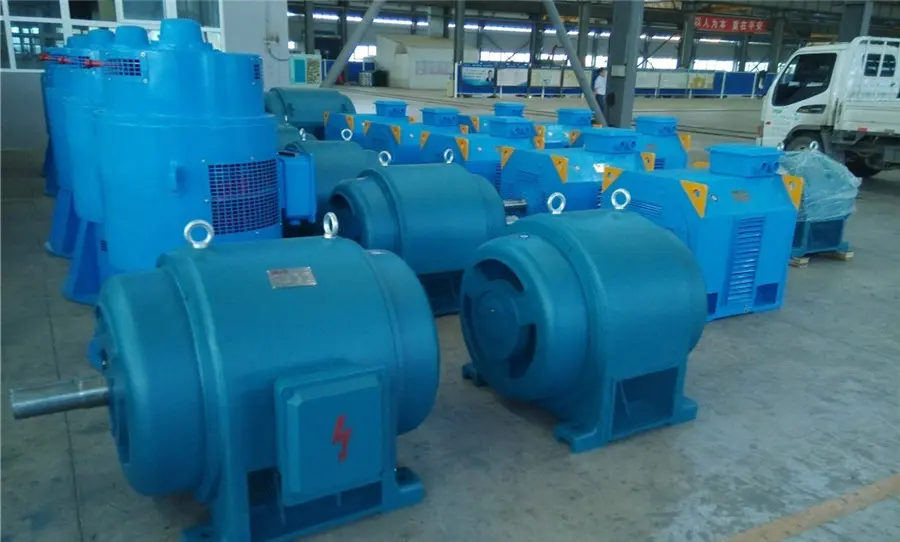
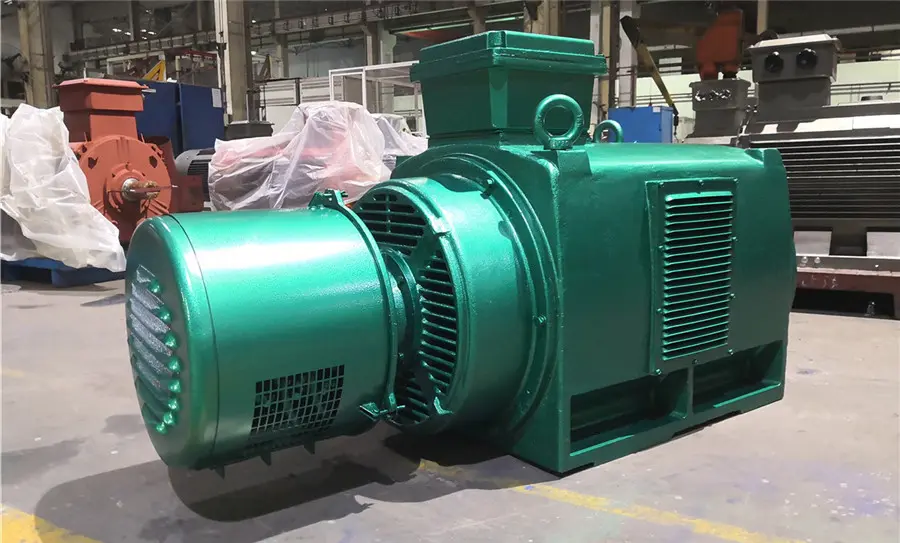
Our design, assembly, and testing processes comply with major global safety and performance standards.
Technical answers to key questions regarding certification, integration, safety standards, and operations.
A: ATEX is a regional European certification mandated by EU directives (Directive 2014/34/EU) and is legally required for equipment used in hazardous environments within the European Economic Area. IECEx is an international certification scheme based on IEC standards, aimed at facilitating global trade by harmonizing standards. While ATEX relies on EU-specific essential health and safety requirements and allows for CE marking, IECEx is strictly certification-based and widely accepted across international jurisdictions, including Australia, North America, and Asia.
A: Flameproof (Ex d) protection relies on physical containment. The motor enclosure is built to withstand an internal gas or vapor explosion without fracturing. When an internal ignition occurs, the flame is forced to escape through specifically designed, high-precision flamepaths (such as threaded joints or flanged shafts). As the hot gas travels through these tight clearances, it cools down significantly, ensuring it cannot ignite the volatile gas mixture in the surrounding external atmosphere.
A: No, a gas-proof motor cannot be used in dust environments unless it carries a dual certification. Gas environments (Zone 1/Zone 2, Group II) and dust environments (Zone 21/Zone 22, Group III) have different safety requirements. Gas safety (Ex d) focuses on preventing ignition from internal explosions, whereas dust safety (Ex tb) focuses on preventing dust ingress (IP rating) and maintaining low surface temperatures to avoid igniting layers of dust. Using a gas-rated motor in a dusty environment can lead to dust ingress and potential thermal ignition.
A: When using variable frequency drives (VFDs), the motor must be certified for VFD operation. Speed adjustments can reduce the effectiveness of shaft-mounted cooling fans, potentially raising surface temperatures. The motor must either have thermistors (PT100/RTC) monitored by certified trip devices, or be derated appropriately. Additionally, VFDs can cause high-frequency voltage spikes, requiring insulated bearings or shaft grounding rings to prevent electrical arcing inside the motor.
A: Highly efficient motors (IE4/IE5) generate less waste heat, resulting in lower operating temperatures. In hazardous environments, lower temperatures reduce safety risks by keeping surface temperatures well below the ignition thresholds of volatile compounds. Additionally, because explosion-proof motors often run continuously in demanding industrial applications, upgrading to IE4/IE5 efficiency levels significantly lowers overall electricity consumption and operating costs.
A: At SIMO, we verify every flameproof enclosure through hydrostatic testing to ensure it can withstand internal explosion pressures. We use CNC machinery to achieve the exact flamepath clearances required by EN/IEC 60079-1 standards. Finally, our high-voltage vacuum pressure impregnation (VPI) system applies Class F/H insulation, protecting the motor windings against moisture, chemical corrosion, and electrical stress.
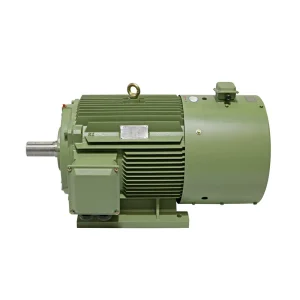
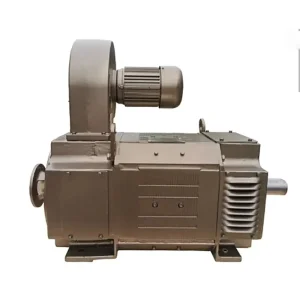
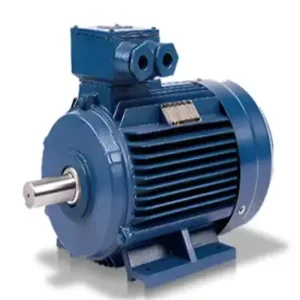
From heavy mill drives to high-voltage variable frequency systems, we provide reliable options for demanding industrial applications.
 Lite Simo