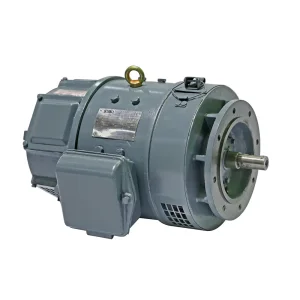
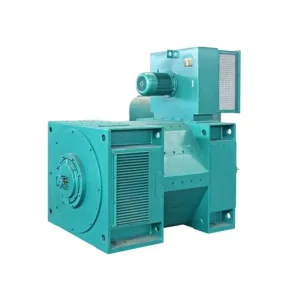
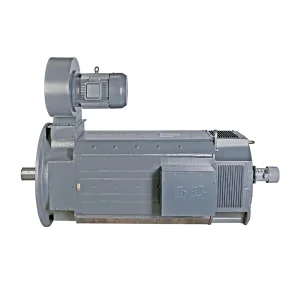
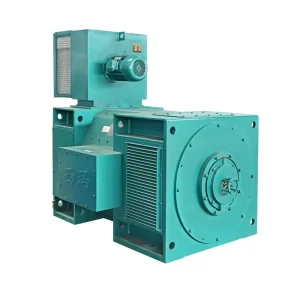
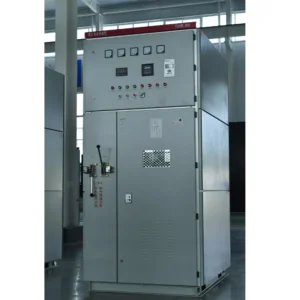
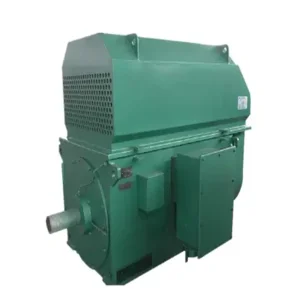
Explore our industrial-grade low voltage, high voltage, and explosion-proof asynchronous/synchronous electric motor arrays.
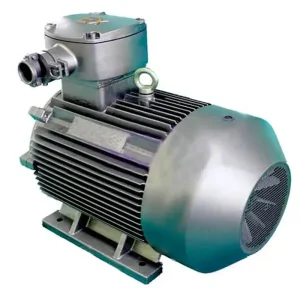
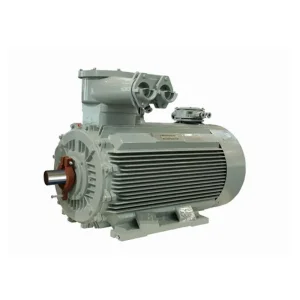
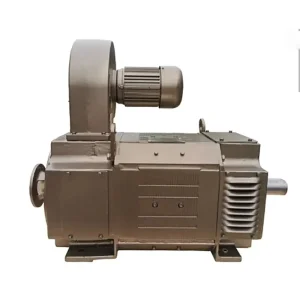
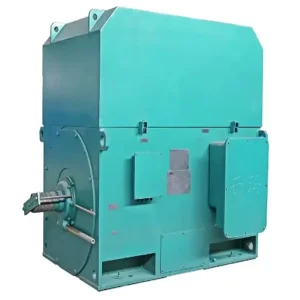
In today's complex industrial landscape, selecting a custom low voltage motor factory is no longer just a transaction based on basic horse-power and voltage requirements. As international energy regulations tighten (such as EU Ecodesign requirements and China's GB18613 efficiency rules), procurement teams seek comprehensive, reliable engineering solutions that optimize Total Cost of Ownership (TCO), reduce carbon footprints, and withstand rugged environmental hazards.
This publication offers a technical deep-dive into the electrical driving ecosystem, discussing structural engineering, efficiency benchmarks, and supply chain strategies. Designed for Chief Technology Officers, Procurement Directors, and Senior System Engineers, this analysis examines the mechanical and electrical variables that differentiate generic suppliers from highly capable custom manufacturers.
Information Gain Highlight: Integrating custom wound copper rotors with advanced VFD controls can reduce system losses by up to 22% compared to standard line-start low voltage induction motors operating at variable loads.

The convergence of efficiency directives, smart connectivity, and custom electromagnetic design.
Regulatory pressures globally (like EU's IEC 60034-30-1 standards) have accelerated the phase-out of IE2 and IE3 induction motors. Custom factories are increasingly deploying high-performance permanent magnet synchronous motors (PMSM) and synchronous reluctance technologies to reach IE4 and ultra-premium IE5 levels, minimizing continuous operation energy draws.
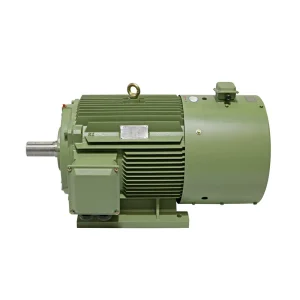
Variable Frequency Drive (VFD) optimized motors (such as the YVFE3 and YJP series) are vital for modern automation. Driving motors directly from fixed utility lines is shifting toward intelligent speed regulation, requiring factories to develop specialized stator insulation systems capable of handling high voltage rise times and peak voltage stresses.
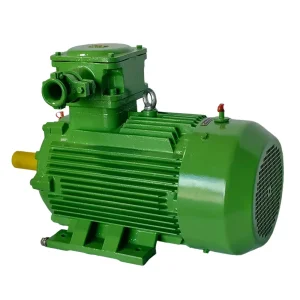
With expansion in chemical refining, underground mining, and combustible grain storage, explosion-proof motors (such as the YBX4/YBX5 series) have transitioned from niche components to high-volume configurations. Flameproof enclosures (Ex d) and dust-protected enclosures (Ex t) now require custom sealing, thermal sensors, and robust castings.
What engineering procurement specialists look for in top-tier motor manufacturers.
Global industrial enterprises are refining their sourcing matrices. Relying on catalogs with standard frames is no longer sufficient for complex integration. Engineering projects demand tailored variations in mechanical dimensions (flange design, shaft extensions, shaft materials) and electrical ratings (dual voltage requirements, custom duty cycles like S1 to S9, and high temperature ratings).
Insulation systems must handle modern inverter spikes. Standard Class F insulation is often upgraded to Class H, utilizing vacuum pressure impregnation (VPI) with premium resins to ensure moisture resistance, mechanical rigidity, and high dielectric strength.
Motors need to run cool under heavy loads. Depending on the environment, procurement teams select IC411 (Self-ventilated), IC416 (Forced ventilation for VFD), or IC611 (Air-to-air heat exchangers for harsh environments) to balance thermal dissipation with environmental sealing.
Compliance across borders is vital. Factories must maintain valid certificates including CE (Europe), UL (North America), GOST (Eurasia), and global ISO 9001 quality system certifications to ensure smooth cross-border installations.
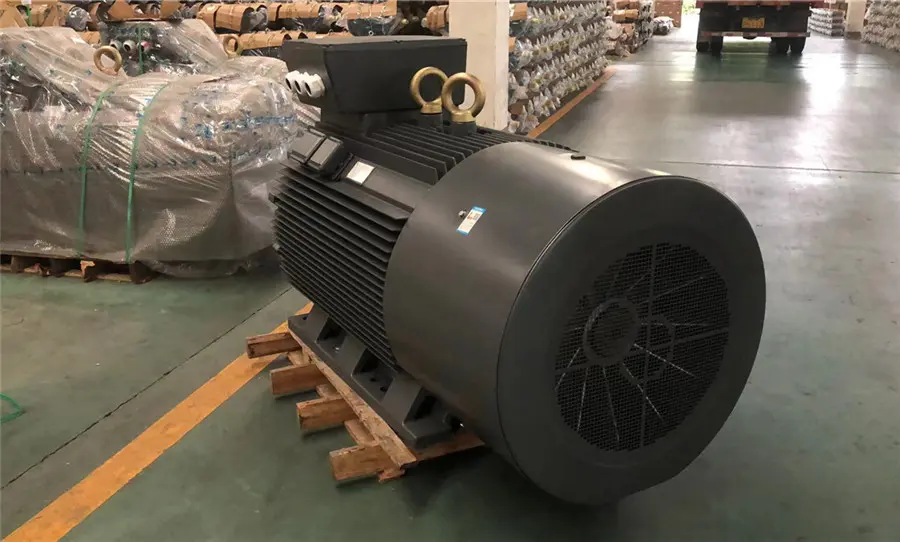
The low voltage motor industry has transitioned from labor-intensive assembly to automated precision engineering. China's leading motor hubs combine raw material processing (silicon steel slitting, rotor die-casting, copper wire drawing) with digital production tracking.
By integrating automated winding machines, high-precision dynamic balancing setups, and automated testing rigs, manufacturers like Xi'an Lite SIMO Motor Co., Ltd. can produce custom frames and special windings at scale.
This consolidation within China's industrial clusters reduces transit times between steel supplier, casting foundry, and assembly floor. This structural efficiency allows for custom prototype fabrication within weeks, rather than months, helping global operators maintain project timelines.
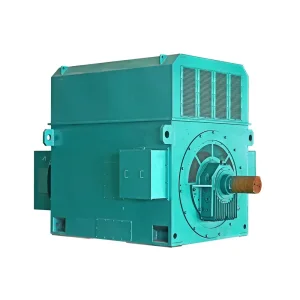
A leading large/medium-sized, high/low voltage AC/DC and explosion-proof motor manufacturer in the Chinese mechanical industry.
SIMO is a comprehensive manufacturing and service supplier covering motor design, mechanical processing, mold making, assembly, and testing. Ranked at the top of China's motor industry in scale, the company has maintained rapid development for decades.
The company's R&D covers a wide range of drive systems. With 34 major series, over 1,800 varieties, and more than 19,500 specifications, the power range spans from 0.35kW up to 25,000 kW. This includes high-efficiency low-voltage motors, high-voltage induction motors, wound rotor motors, synchronous generators, and heavy-duty DC motors.
A visual representation of our custom design, rotor fabrication, winding lines, and heavy-duty frame casting.
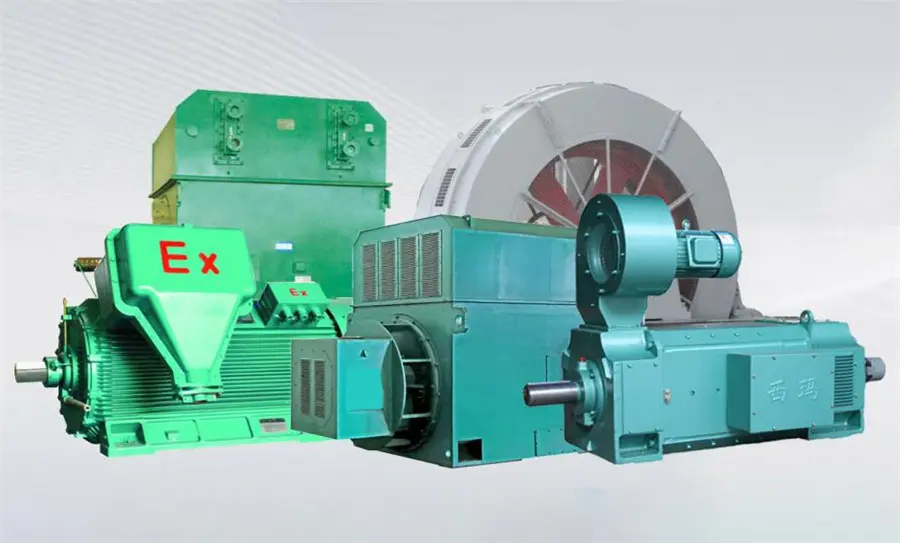
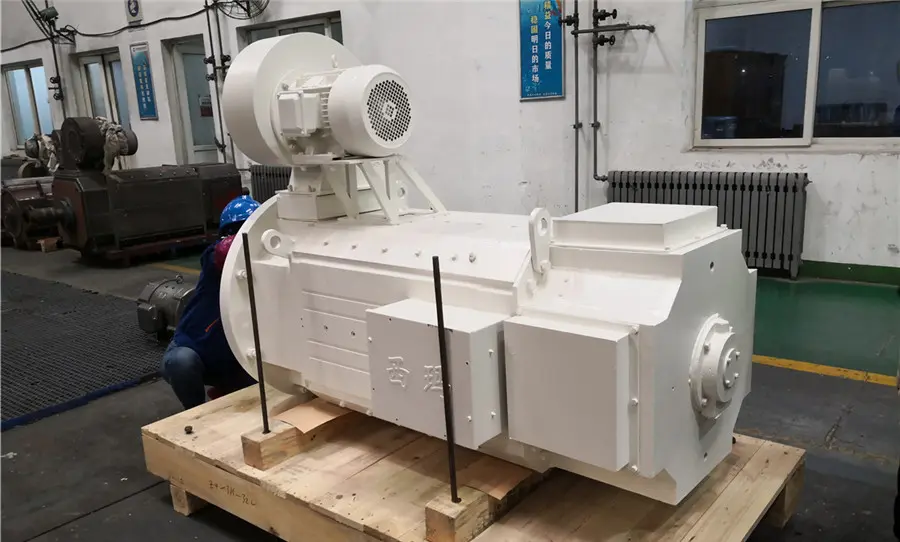
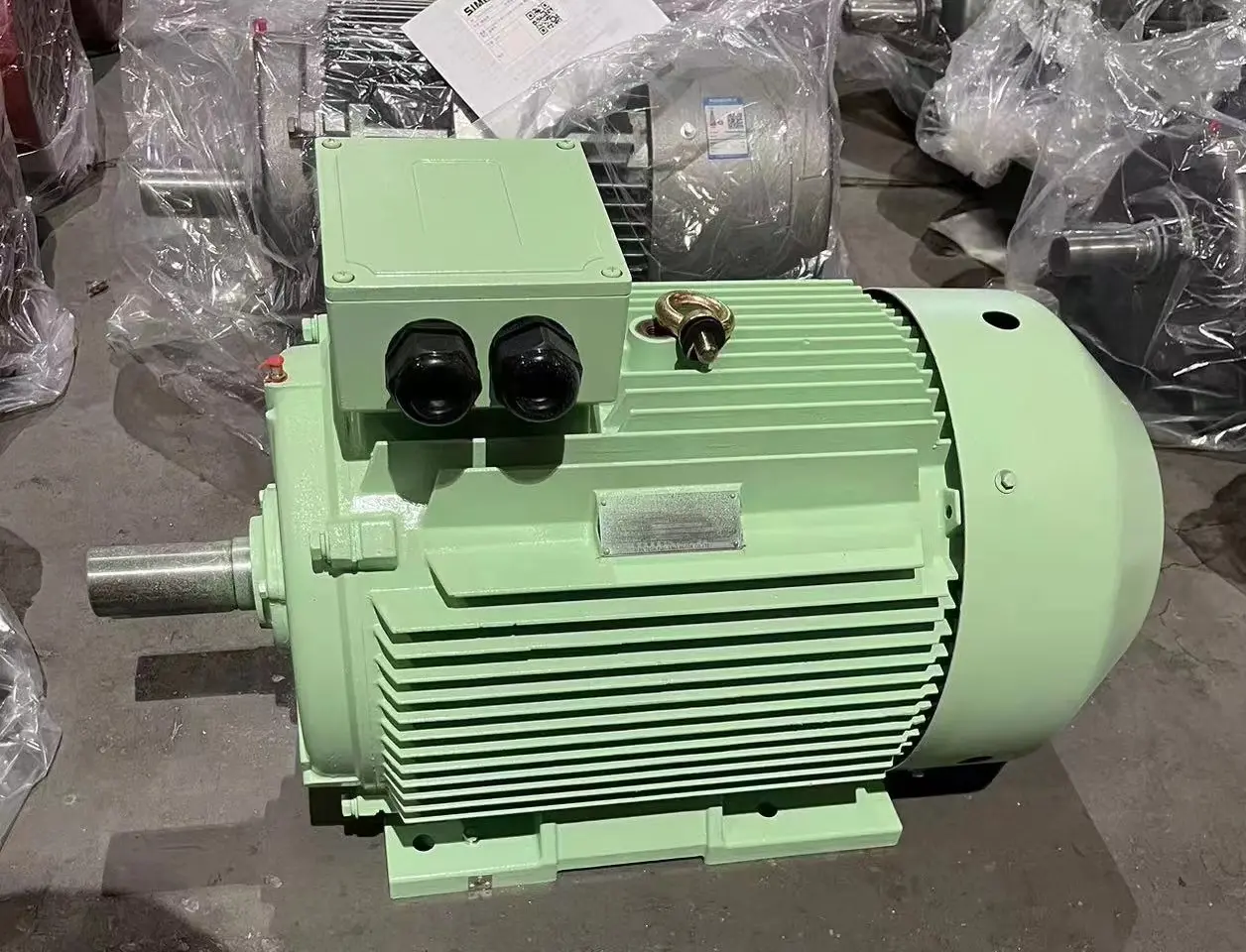
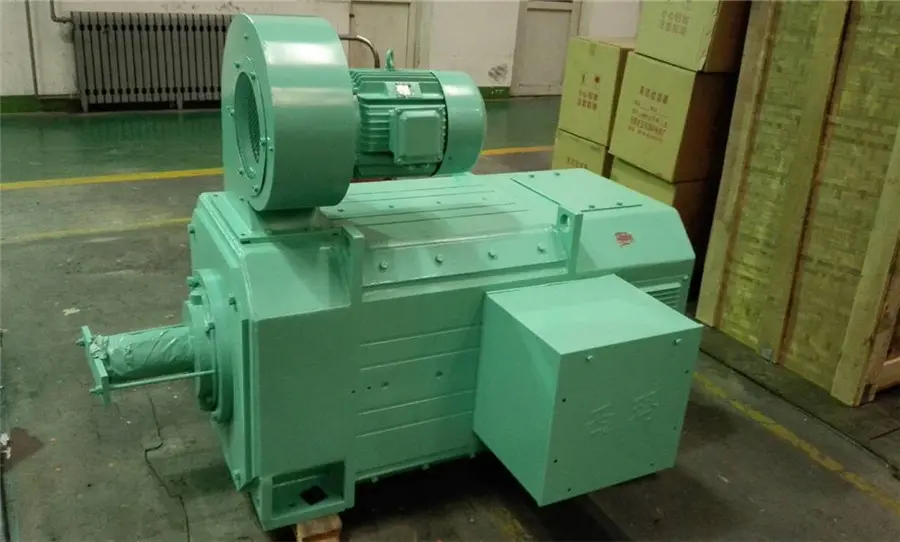
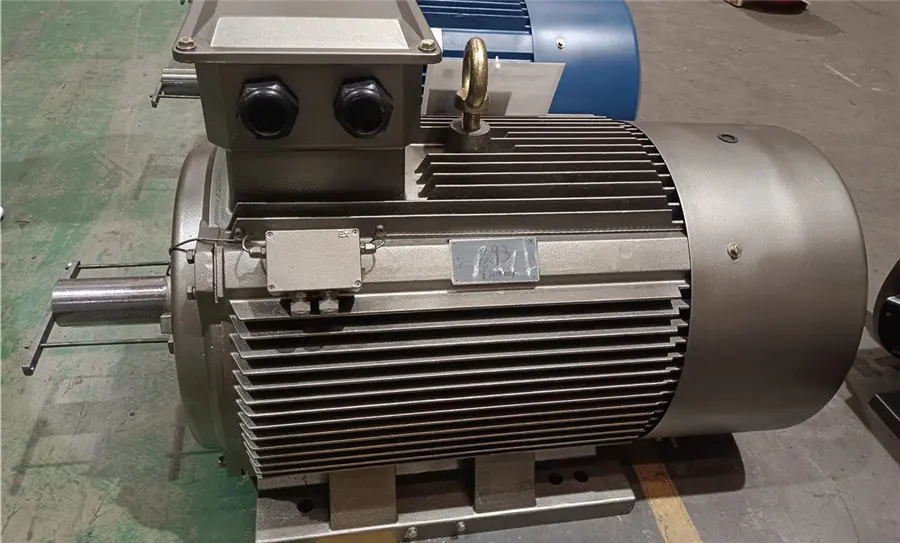
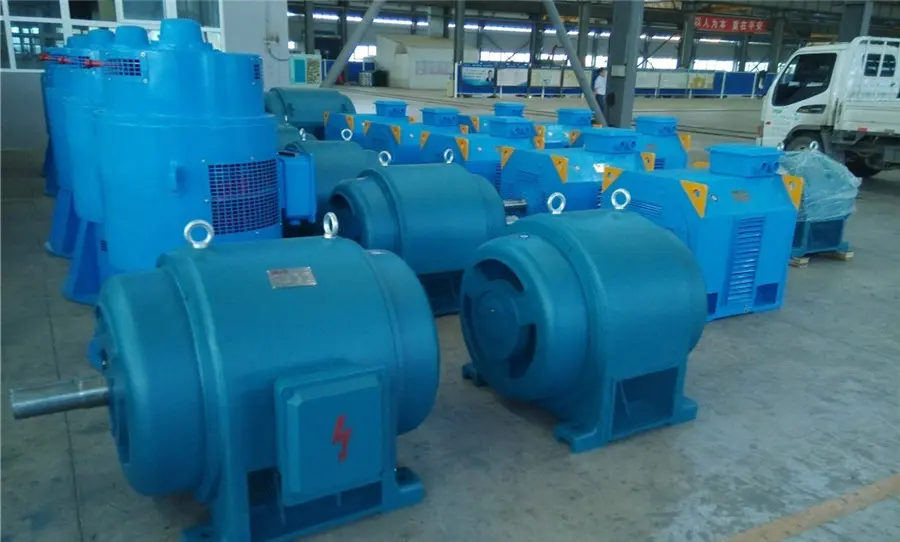
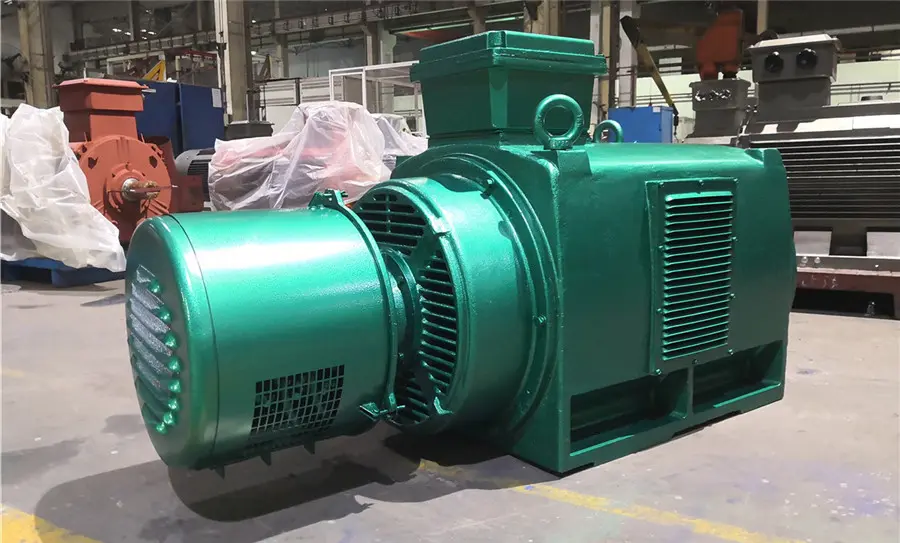
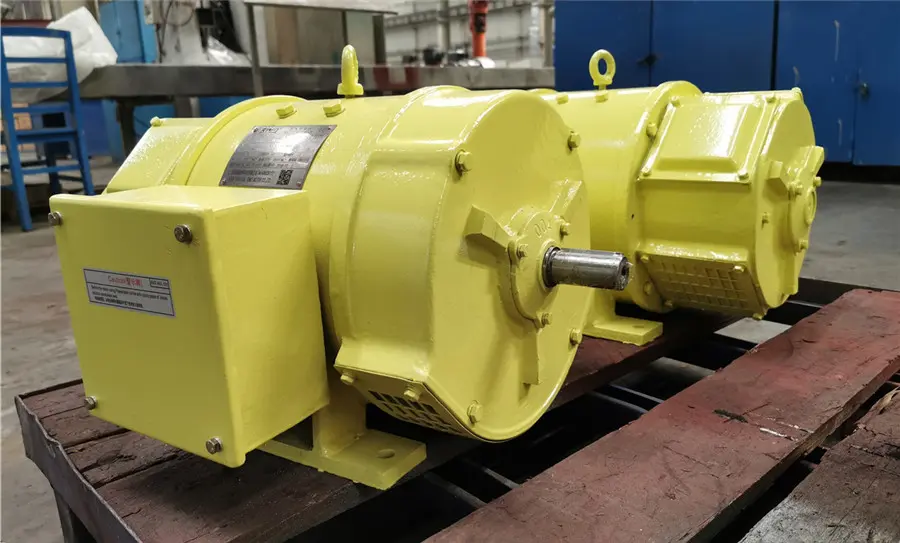
SIMO electric motors are certified for deployment across global regions and demanding environments.
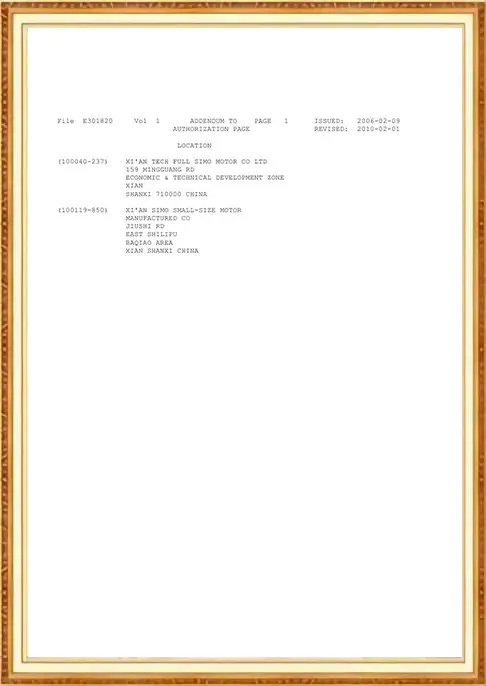
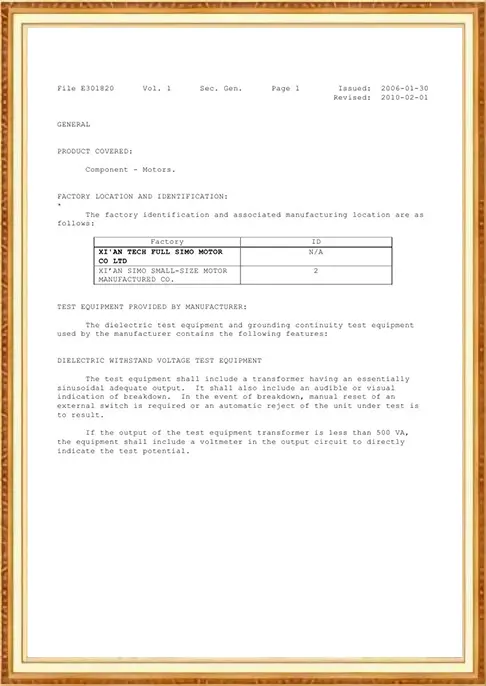
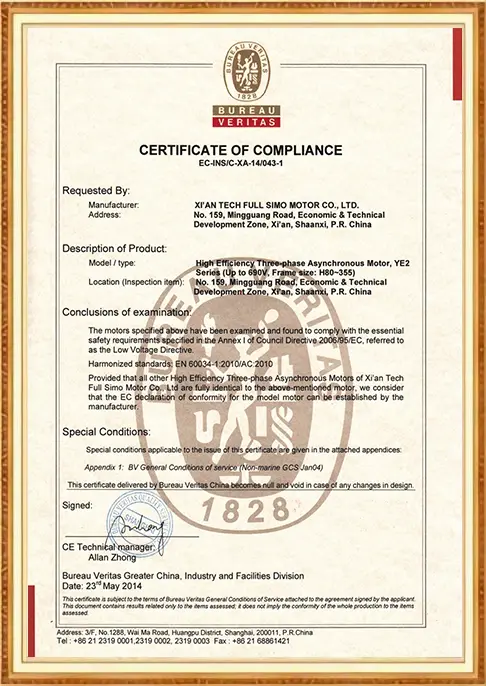
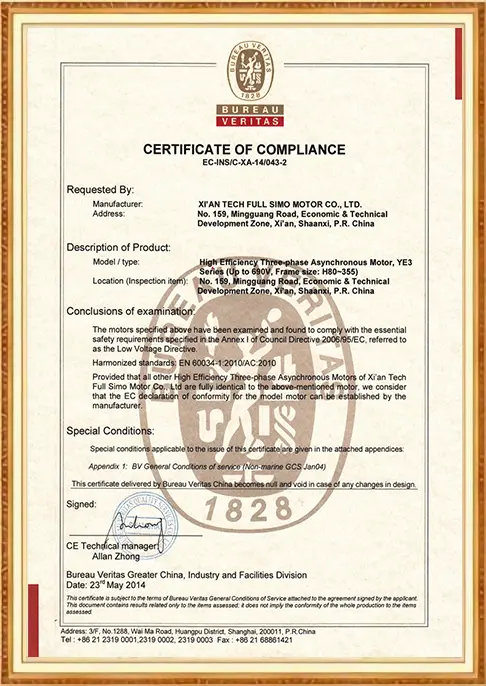
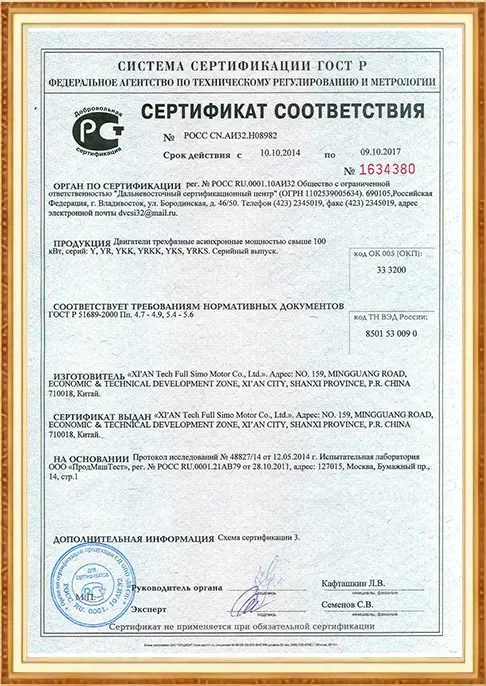
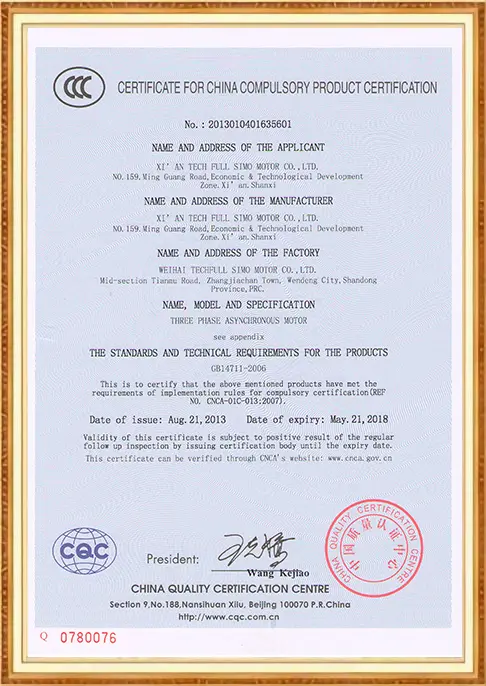
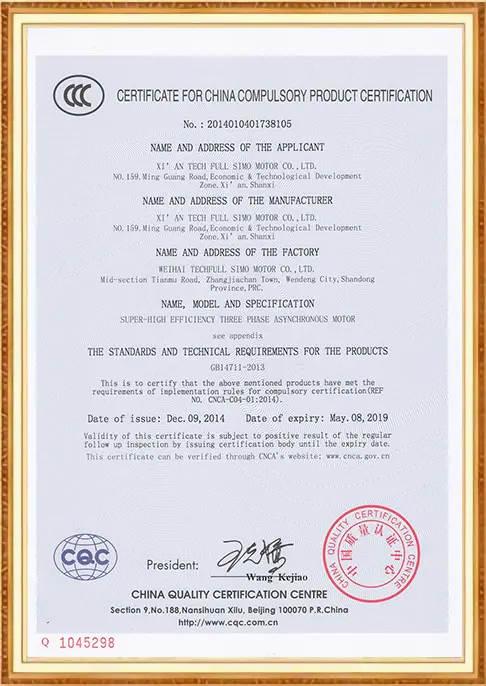
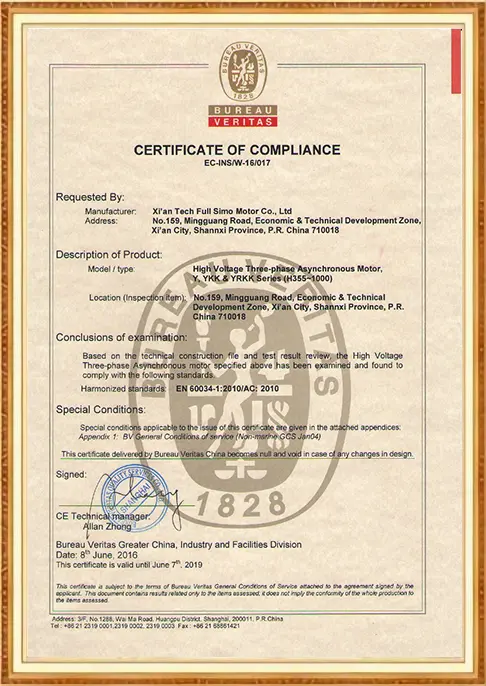
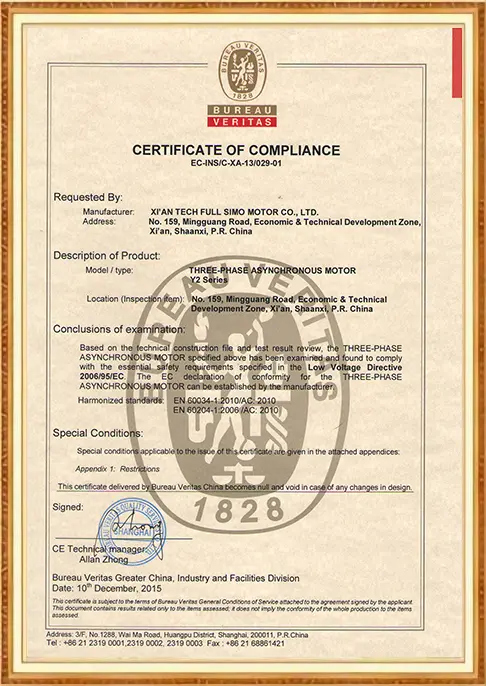
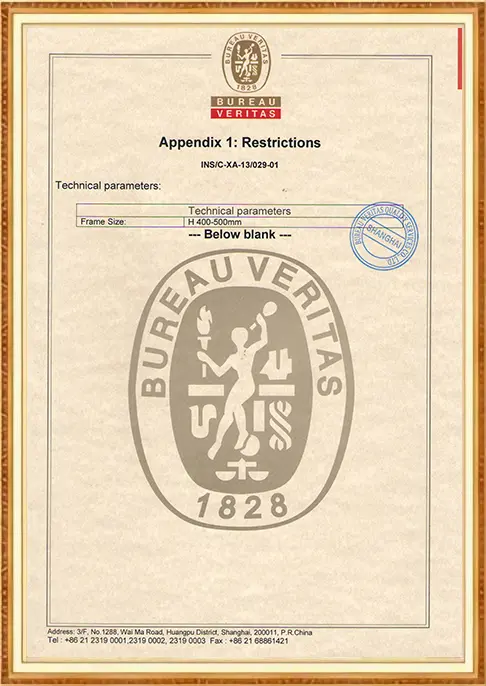
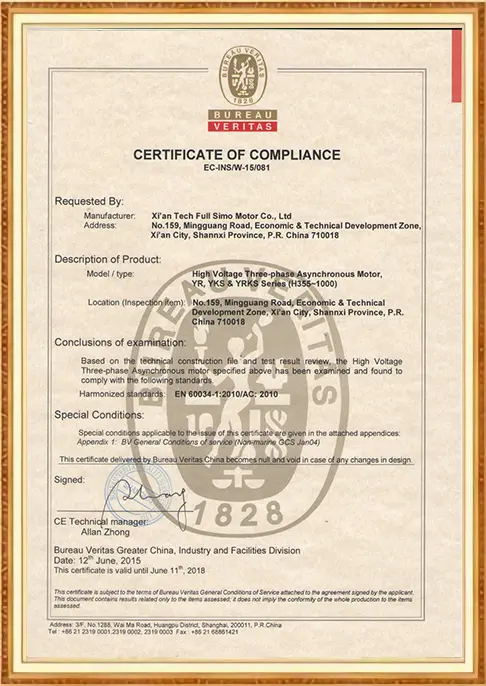
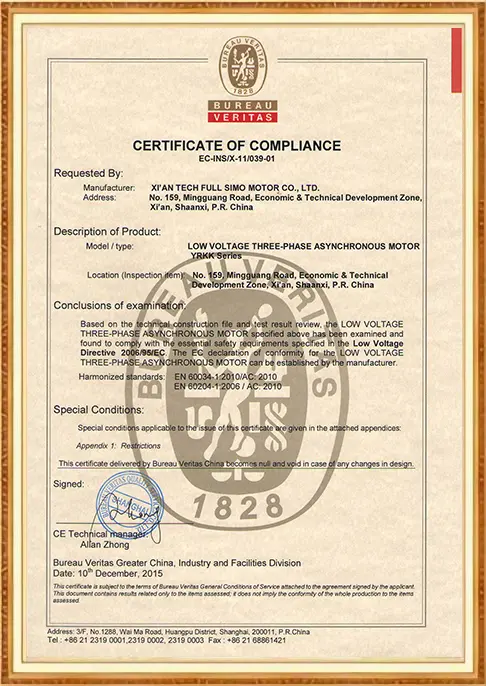
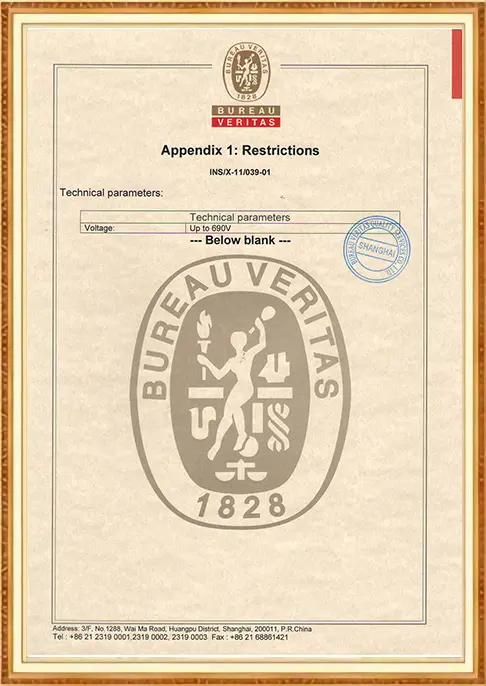
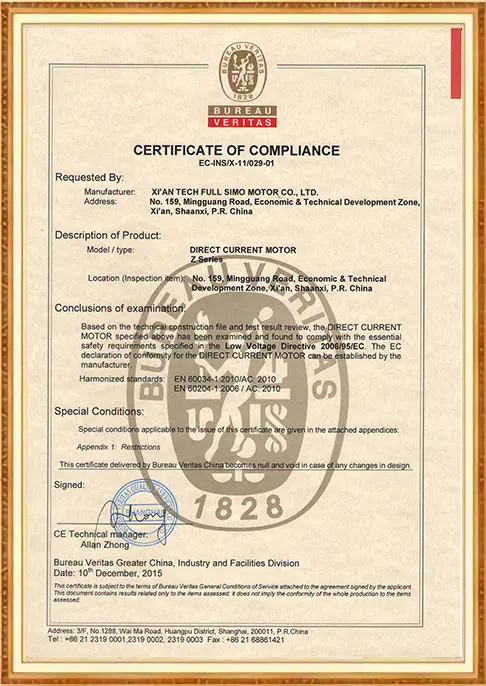
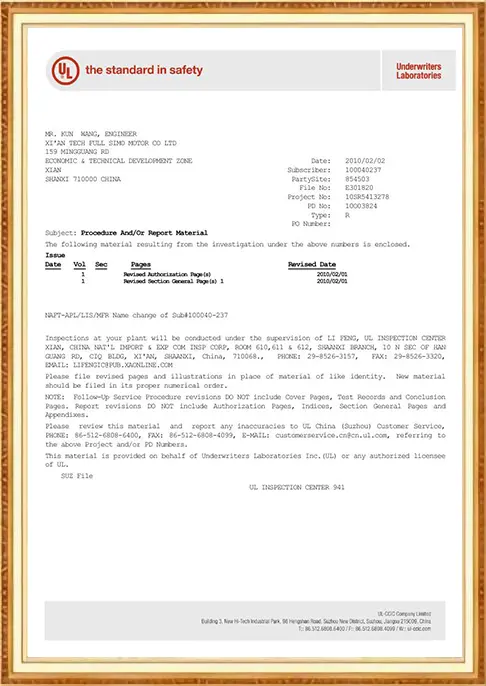
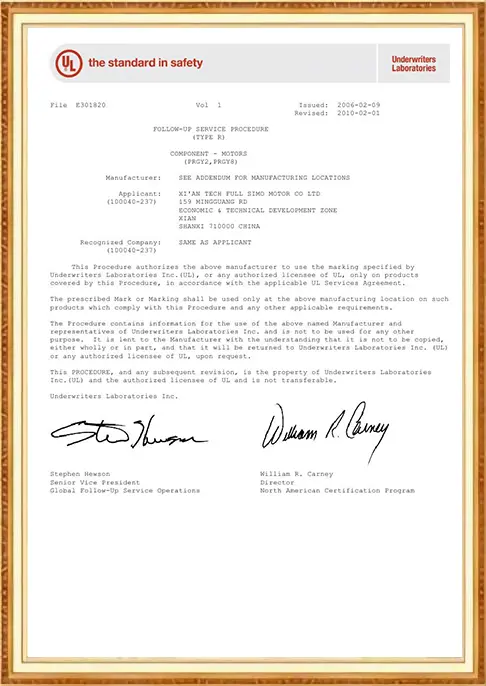
* SIMO has passed ISO9001 Quality System Certification, EU "CE", US "UL", Russian "GOST", and local environmental approvals.
How customized low voltage and high voltage motors solve challenges in heavy industries globally.
In environment zones rich in methane, volatile gases, or coal dust, general motors pose an ignition risk. Using SIMO's YBX4 & YBX5 series explosion-proof motors provides secondary protection. Enclosures are designed to contain internal blasts and prevent high temperatures from reaching outer surfaces, ensuring safety in refining and chemical operations.
Steel rolling mills generate rapid peak impact loads and high heat. Standard induction designs can experience rotor fatigue or stall. Utilizing SIMO's Z4 and Z series large/medium DC motors provides high starting torque and precise speed control over wide field-weakening ranges, maintaining line stability under high stress.
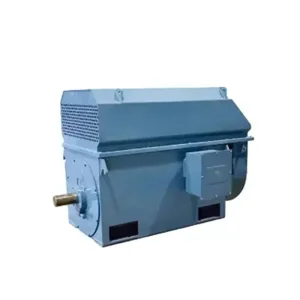
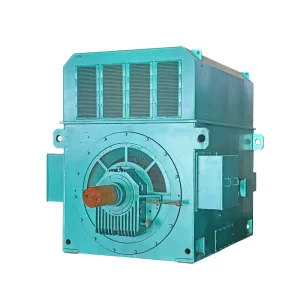
Municipal drainage, agricultural irrigation, and industrial water distribution need constant power. High-capacity operations typically rely on SIMO's YKK and YKS high-voltage three-phase induction motors. They provide steady torque across long line runs, reducing overall cable loss and matching water flow requirements efficiently.
Detailed answers from senior design engineers on custom winding, frame structures, and installation criteria.
The difference lies in the dielectric and insulation systems. Low voltage motors (typically below 1000V, such as 380V, 400V, or 690V) use random-wound stators with round copper wires and standard phase-separator paper. High voltage motors (e.g., 6kV or 10kV, like the YKK and YKS series) use form-wound stator coils with rectangular copper wires wrapped in mica tape. HV insulation requires vacuum pressure impregnation (VPI) with epoxy resins to eliminate air pockets, preventing partial discharge (corona effect) under high electric field stress.
Fixed-speed motors run at synchronous or near-synchronous speeds regardless of load, causing throttle or bypass valve losses. Variable speed motors, like the YVFE3 and YJP series, dynamically adjust speed to match the process demand. VFDs feed motors pulsed voltage waves (PWM) instead of smooth sine waves. This introduces high-frequency harmonics, winding stress, and shaft currents. For VFD operation, ensure the motor features reinforced insulation, insulated non-drive end bearings to block EDM (Electrical Discharge Machining) currents, and independent cooling fans (IC416) for low-speed heat dissipation.
Explosion-proof motors (such as the YBX4 and YBX5 flameproof series, or YFB3 and YFB4 dust-ignition-proof series) are built with heavy cast-iron or steel enclosures designed to contain an internal gas explosion without rupturing. The flame path (the clearance between shaft and housing, and the mating surfaces of the terminal box) is long and narrow enough to cool escaping gases below the ignition temperature of the surrounding atmosphere. Dust-proof models use IP65 or IP66 ingress protection to exclude combustible dusts from hot interior components.
When ordering a custom motor, engineers must specify: 1) Electrical parameters: rated power (kW), voltage (V), frequency (Hz), speed (RPM), target efficiency class (IE3/IE4/IE5), and VFD operating range. 2) Mechanical interface: Frame size (IEC or NEMA), mounting type (B3, B5, B35), shaft dimensions, and radial/axial load characteristics. 3) Environmental variables: ambient temperature (-20°C to +50°C), altitude limits (typically up to 1000m without derating), humidity, IP rating, and chemical corrosion factors.
Explore our industrial range including explosion-proof units, soft-start cabinets, and wound-rotor induction motors.
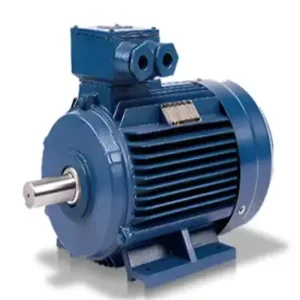
 Lite Simo