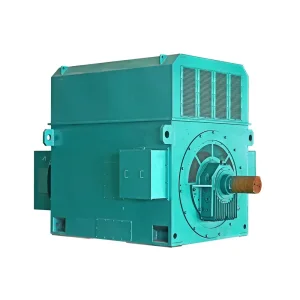
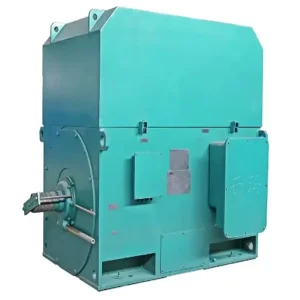
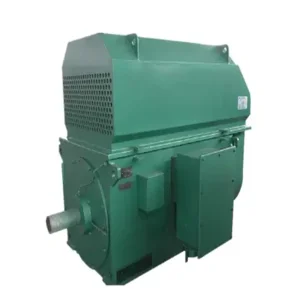
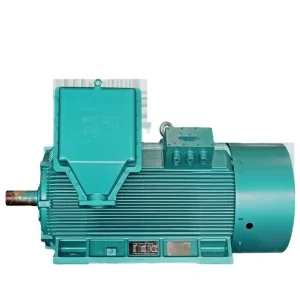
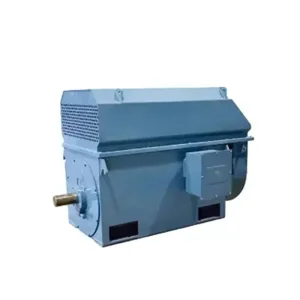
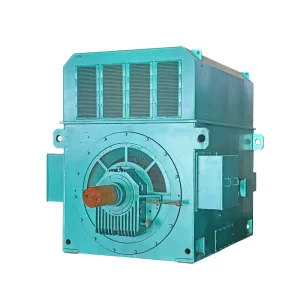
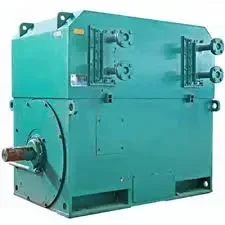
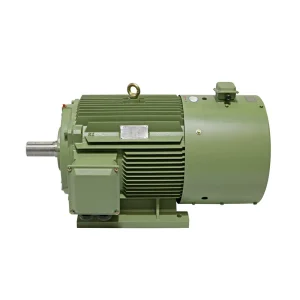
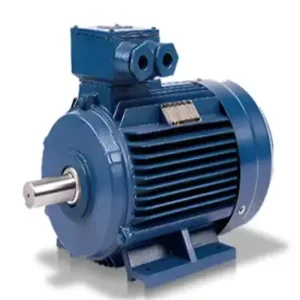
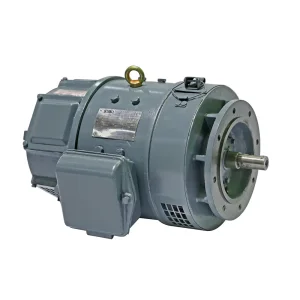
Engineered specifically to comply with East Japan's strict 50Hz electrical system demands, our primary product line balances space limitations with high-torque operating efficiency.
The Greater Tokyo Area, stretching across Kanagawa, Saitama, Chiba, and the Tokyo Metropolitan Area, represents one of the most sophisticated industrial clusters in the world. As Japan aims to achieve carbon neutrality by 2050, the metropolitan region’s heavy industries, wastewater facilities, thermal power plants, and public infrastructure systems are undergoing a rapid transition toward high-efficiency electric powertrains.
Unlike western Japan, which operates on a 60Hz frequency, Tokyo and Eastern Japan operate on a strict 50Hz frequency grid managed by TEPCO. This frequency divergence means that purchasing standard variable speed drives and high-voltage motors requires rigorous optimization. Machine systems must run efficiently at 50Hz without suffering from torque ripple, unwanted harmonics, or efficiency losses.
Additionally, urban industrial zones like those near the Tokyo Bay face major space constraints. Industrial facilities require compact, high-power-density motors that occupy minimal floor footprints while delivering maximum shaft power. This demand highlights the importance of transitioning to advanced cooling architectures (such as YKS water-to-air cooling) and compact stators.
Frequency: 50Hz (Eastern Japan Grid Zone)
Voltage Ratings: Commonly 3kV, 3.3kV, 6kV, or 6.6kV sub-transmission loops
Cooling Preferences: Water-cooled designs to maintain low ambient noise in dense areas
Compliance Norms: JIS C 4004 (Rotating Electrical Machines) compatibility alongside IEC standards
Analyzing supply chain challenges, international standard alignments, and the rise of smart, sensor-integrated medium-voltage powertrains.
Global demand for high-voltage (HV) and medium-voltage (MV) motors is driven by modernization projects in key process industries: water treatment, steel mills, large-scale mining, oil & gas refining, and chemical processing. Because these motors drive large pumps, compressors, and fans that run continuously, minor gains in efficiency yield major savings in operational expenditure (OPEX) and carbon taxes.
Motors are no longer isolated grid loads. Modern engineering specifications demand complete variable frequency drive (VFD) compatibility to optimize start-up dynamics and modulate speed to match system loads. Stator windings must features specialized insulation to withstand the high voltage spikes (dv/dt) typical of modern PWM frequency converters.
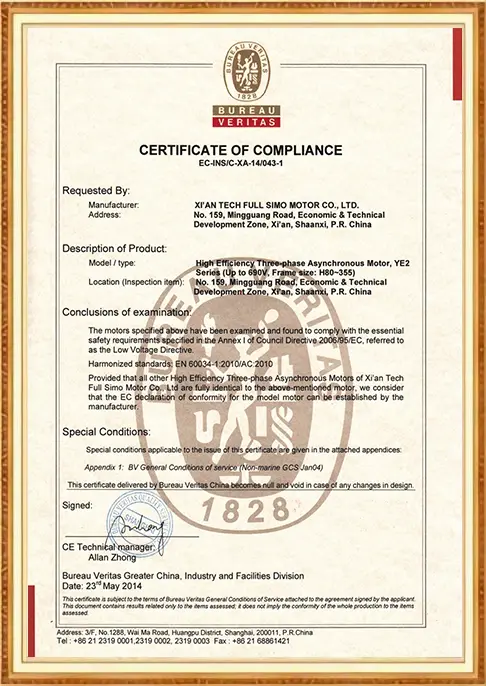
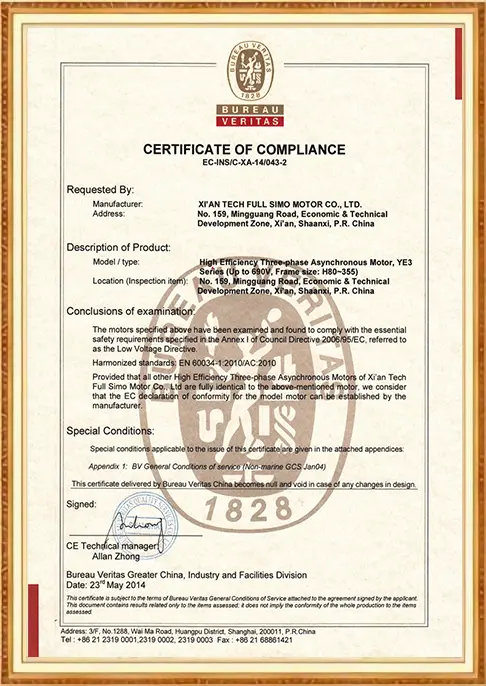
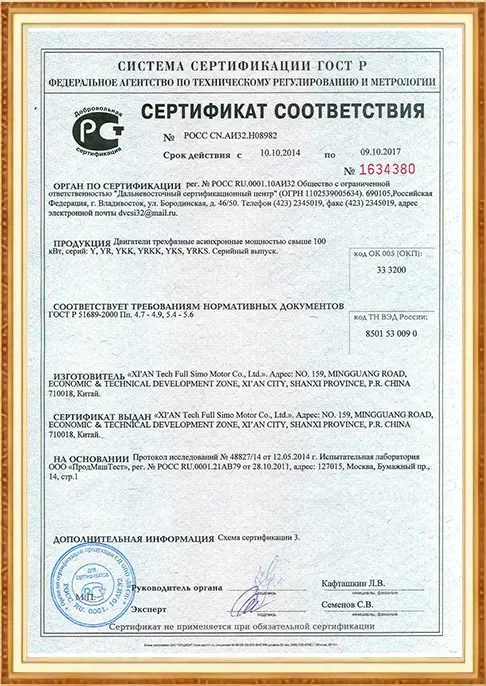
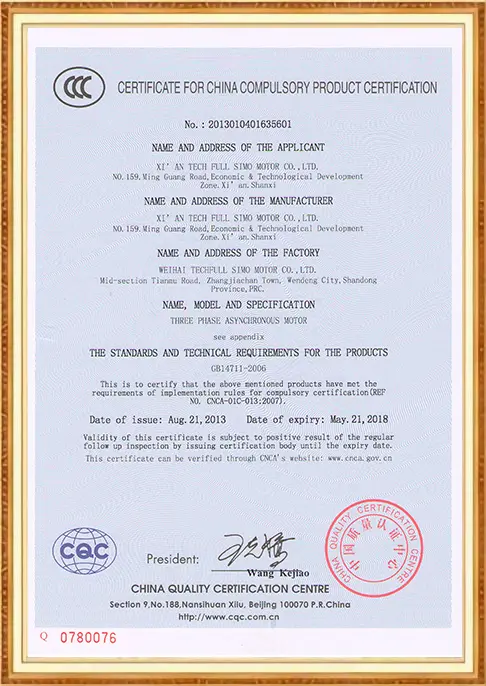
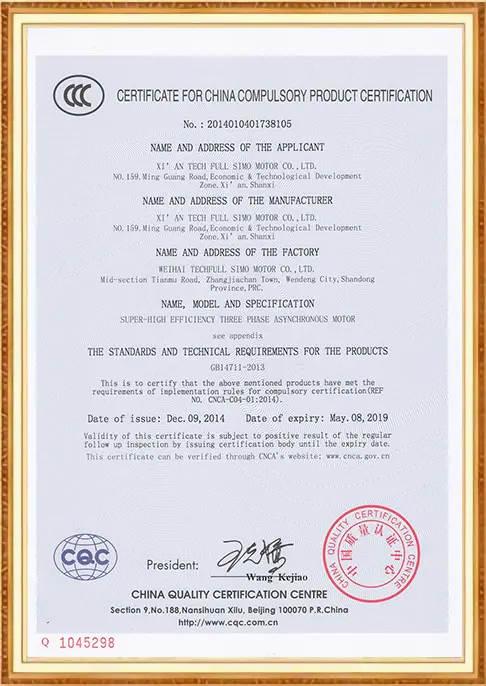
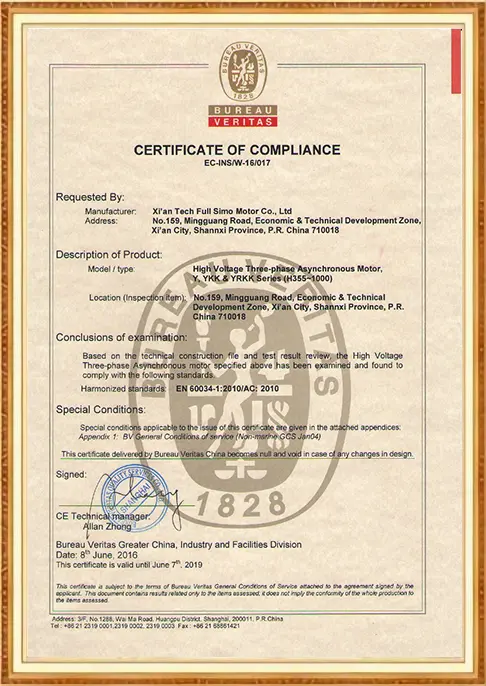
Global procurement teams demand high levels of validation. Leading motor suppliers must verify their designs through type-testing reports, load tests, third-party inspection certifications (such as UL, CE, and GOST), and prove their systems' long-term reliability through vacuum pressure impregnation (VPI) insulation logs.
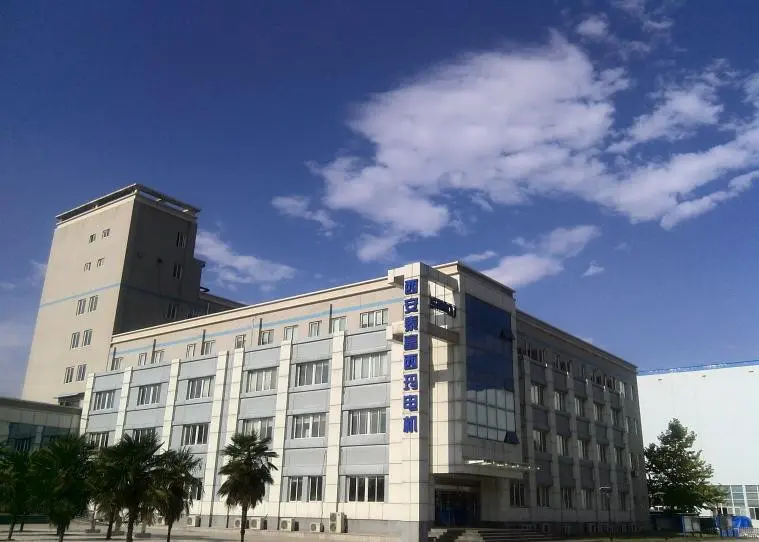
Xi’an Lite SIMO Motor Co., Ltd is an electric company, main enterprise specializing in the manufacturing of large/medium-sized, high/low voltage AC motors, DC motors, synchronous motor, and explosion-proof motor in the Chinese mechanical industry. SIMO is a comprehensive manufacturing and service supplier of motor design, manufacturing, mechanical processing, mold making, assembling. The Company ranks TOP in China’s motor industry as to its scale of production, and has maintained fast-growing development trend for consecutive years.
Our facility combines cost-effective raw material procurement (high-grade silicon steel laminations, electrolytic copper, and robust castings) with high-end automated winding, machining, and testing systems. By balancing manufacturing efficiency with strict ISO-compliant quality gates, we provide the Tokyo and global markets with premium machinery that avoids the high price tags typical of local manufacturers.
Get Technical ConsultationThe Company was founded in 1955 originally and now has more than 60 years history of motor manufacturing and selling. The registered capital is 21.5 million RMB. SIMO has 3 manufacturing factories, one subsidiary factory, with fixed assets 380 million RMB and more than 1172 sets of advanced equipment. There are more than 1200 employees, more than 260 technical engineers, including 21 senior engineers, 15 expert engineers.
Our Products R&D Scope:
It has its R&D and manufacturing cover all types of motors, with its products of 34 major series, more than 1,800 varieties, and more than 19,500 specifications, the power range from 0.35kW to 25,000 kW. Main motor products are YX, YXKK, YXKS series high voltage high efficiency three phase asynchronous motor, YR, YRKK, YRKS series wound rotor high voltage motor, YE3, YE4, YE5 high efficiency series asynchronous motor, YVFE3, YVFE4, YVFE5 series variable frequency and variable speed high/low voltage motor, YBX3, YBX4, YBX5 series explosion-proof series high/low voltage three phase asynchronous motor; T, TD, TK, TDMK series synchronous motor, TFW350-5000KW series large size synchronous generator and Z2, Z4 and Z series DC motor.
How our medium and high voltage motors are integrated into the specific commercial and industrial projects across the Tokyo Metropolitan area.
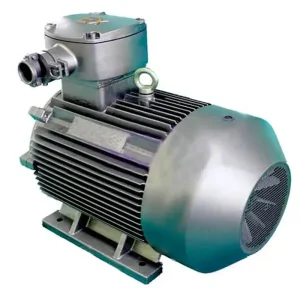
Refineries and chemical storage plants in Chiba and Kawasaki require explosion-proof, high-voltage motors to drive heavy pumps and gas compressors. The YBX4 explosion-proof high-voltage motor series ensures safe operation in hazardous environments (Zone 1 and Zone 2), matching JIS safety certifications.
Tokyo's flood control pumping stations use our high-torque, water-cooled YKS induction motors. These motors maintain low operating temperatures under heavy, continuous loads, protecting public safety during typhoon seasons.
Large-scale HVAC water chillers in districts like Shinjuku and Marunouchi depend on YKK high-voltage air-to-air cooled motors. Engineered for high efficiency and quiet operation, they help lower energy usage in dense urban office areas.
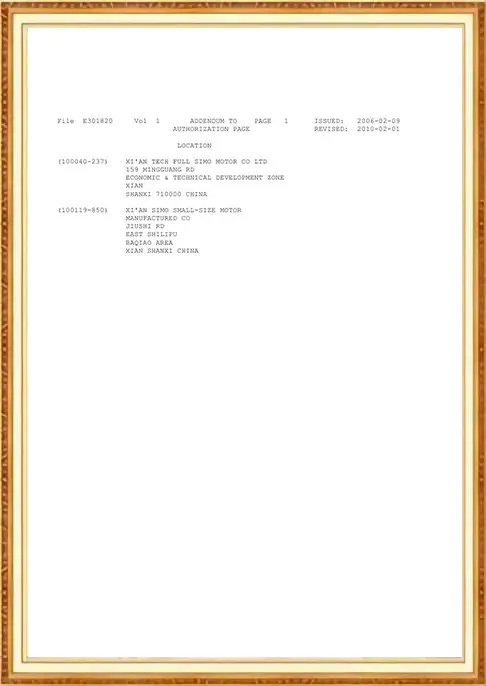
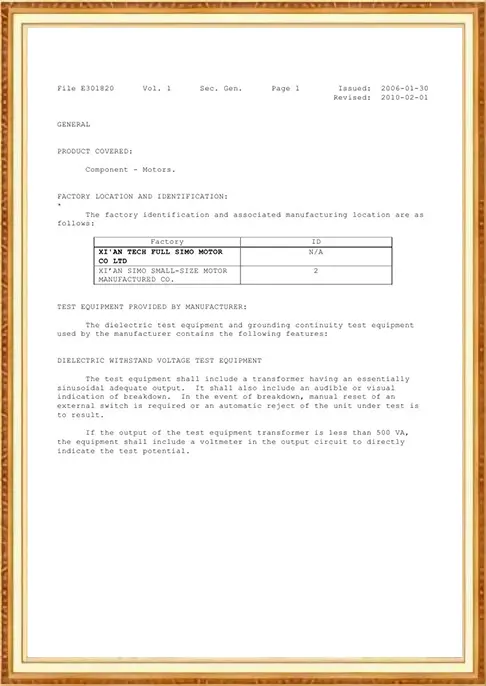
SIMO motors comply with leading global QA structures. Our high-voltage solutions are certified for safety and performance in Japan, Europe, the Americas, and beyond.
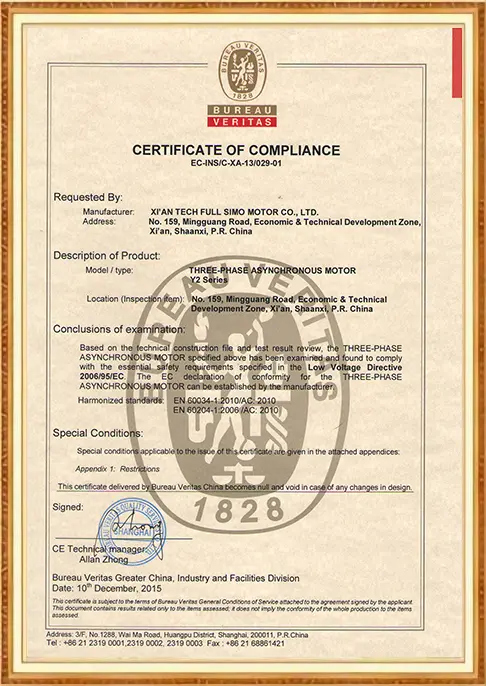
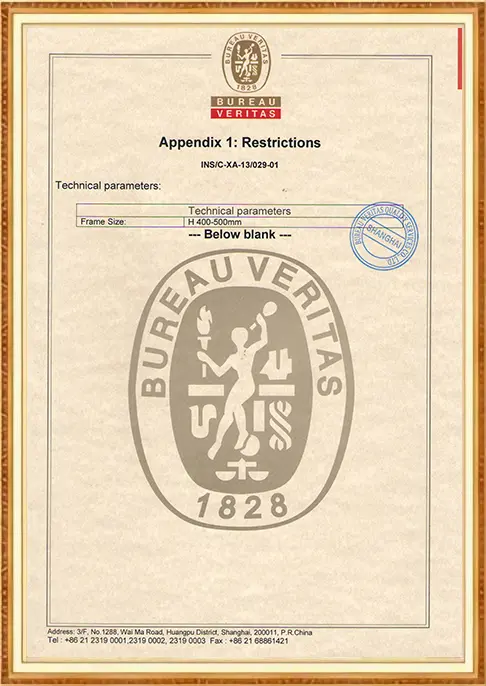
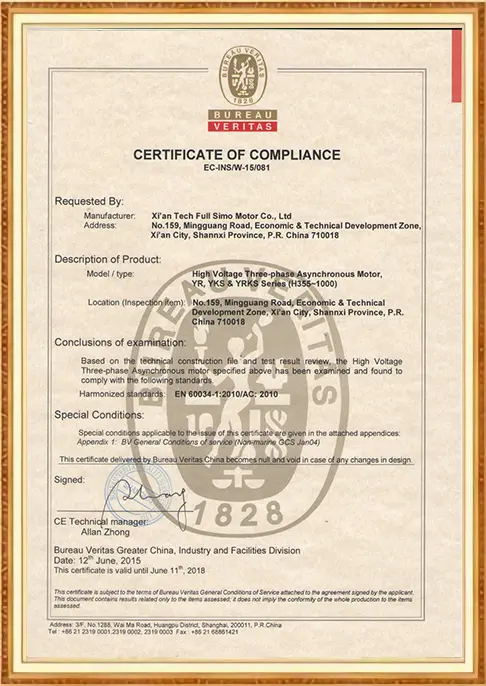
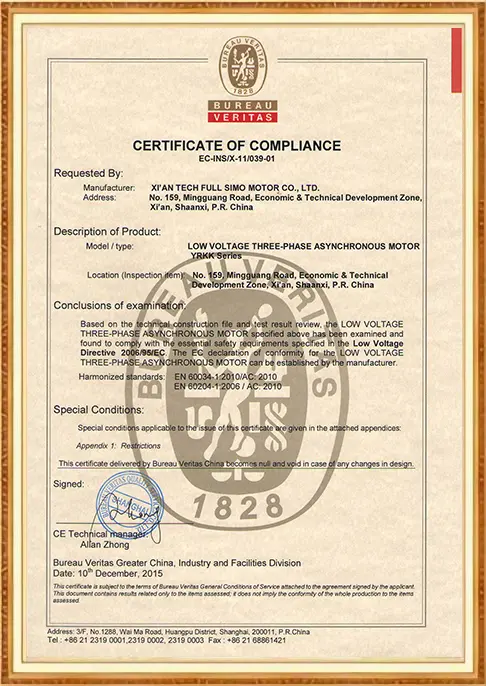
Sourcing high-voltage industrial equipment requires balancing initial capital costs against lifetime operating expenses. Procurement teams should focus on four key areas:
By purchasing from Chinese factories with deep logistics networks, international buyers can secure premium machinery at lower costs while maintaining reliable delivery timelines.
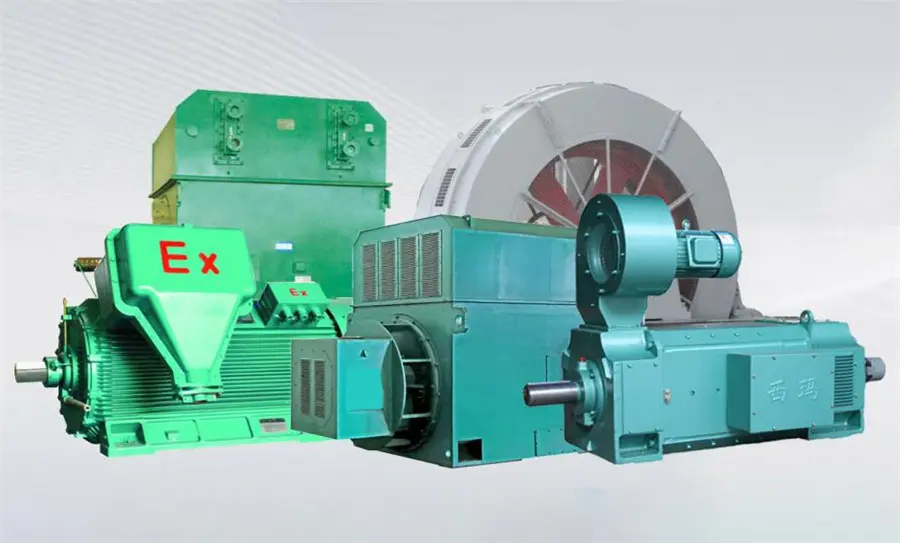
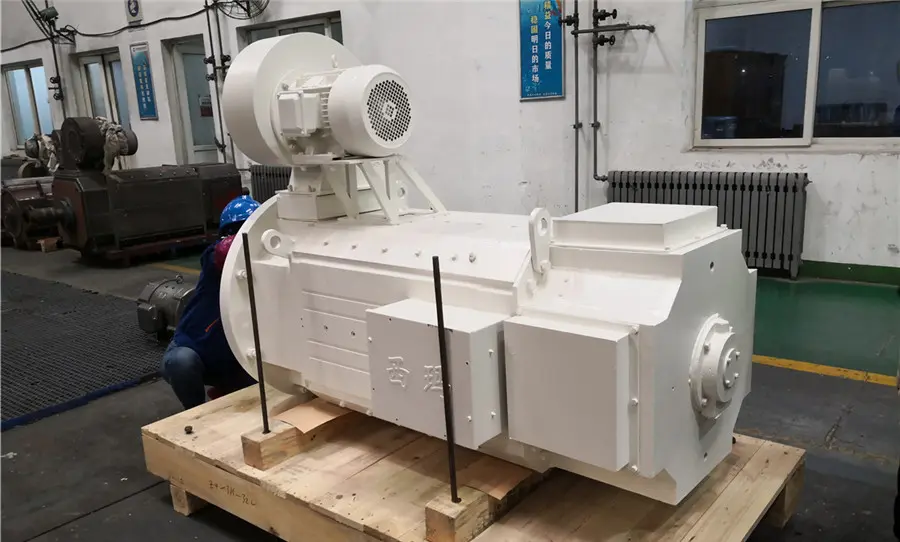
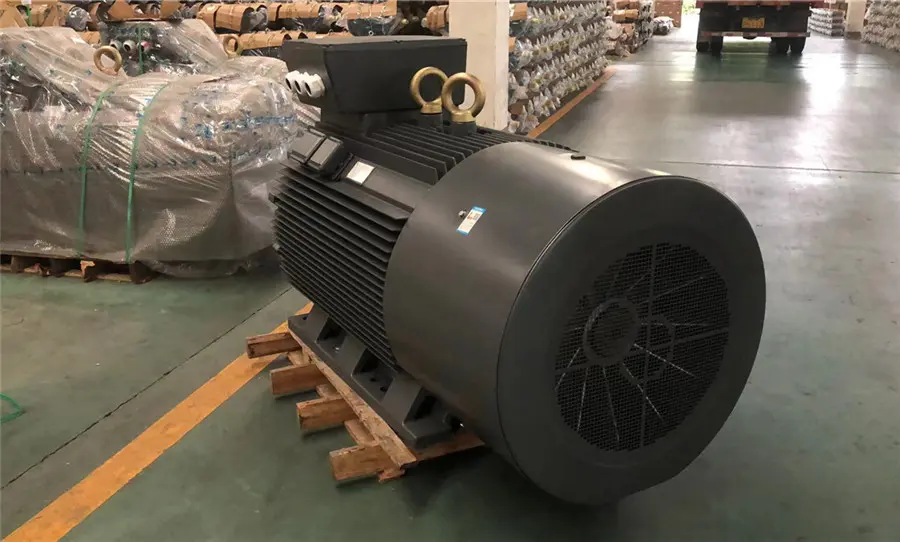
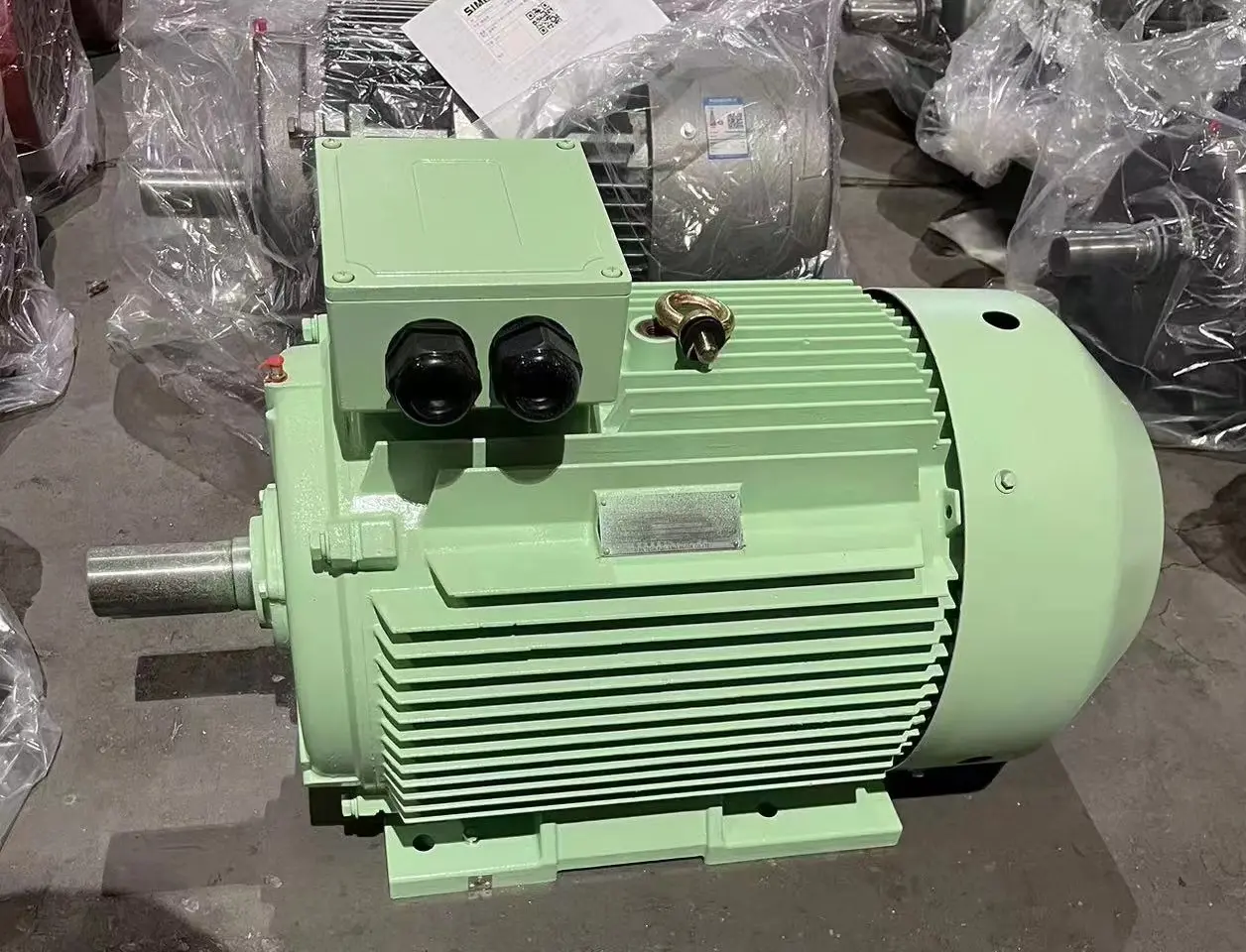
Inside SIMO Motor's advanced mechanical and assembly workshops.
Technical details, design choices, and compliance tips for installation in Japan and globally.
Our extended catalog of high and low-voltage motors for explosion-proof setups, variable frequency drives, and heavy DC operations.
Connect with our senior engineering team to get detailed dimension sheets, electrical datasheets, custom frequency curves, and pricing tailored to your requirements.
Send Inquiry Now Lite Simo