Top Electric Motor Distributors for Global Buyers

Time:2026-10-25 Author:Liam
0%

Choosing among the top electric motor distributors for global buyers requires more than comparing catalogue prices. It requires evidence. A reliable distributor should show verified manufacturer partnerships, stable inventory, technical support, and clear delivery records. Buyers need motors that fit voltage, frequency, torque, enclosure, efficiency, and operating environment.

Dr. Austin Hughes, a respected motor-drive author, states, “Motor selection must match the load and the duty cycle.” That principle remains practical. A conveyor in a dusty plant needs different protection from a clean-water pump. A 15-kilowatt motor may appear suitable, yet its starting current, mounting position, and service factor can create expensive problems. Small details matter.

The strongest Distributor Electric Motor companies help buyers review drawings, datasheets, certifications, and replacement compatibility before purchase. They can explain IE efficiency classes, IP protection ratings, insulation systems, bearings, and variable-frequency-drive requirements. They also communicate honestly about lead times. That matters during urgent maintenance.

Look beyond impressive websites. Ask for traceable product information, warranty terms, test documentation, and references from comparable industries. An experienced distributor should answer technical questions without hiding behind sales language.

Global purchasing is rarely perfect. Shipping delays happen. Specifications can be misunderstood. Even experienced teams miss a detail sometimes. A second technical review is worthwhile.

This guide examines leading distributors through a practical lens. It considers product depth, engineering knowledge, regional service, logistics, and long-term reliability. The goal is not to name the cheapest supplier. It is to identify partners that help motors perform safely, efficiently, and consistently in real operating conditions.
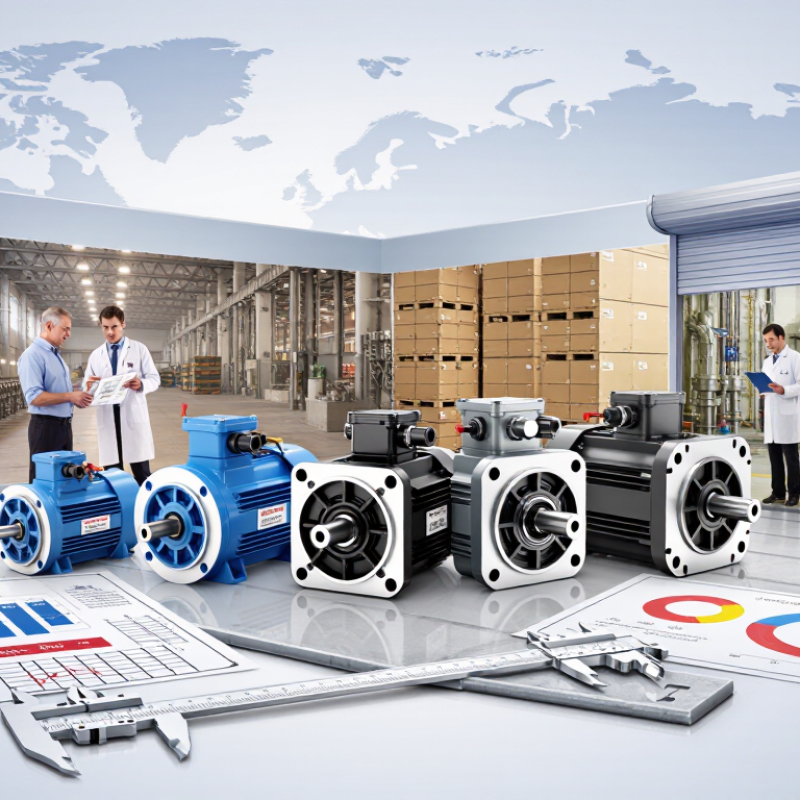
Top Electric Motor Distributors for Global Buyers

Measure Demand: Motor-Driven Systems Use 53% of Global Electricity (IEA)

Top Electric Motor Distributors for Global Buyers

Motor-driven systems use about 53% of global electricity, according to widely cited IEA analysis. That figure changes how buyers should evaluate distributors. A motor is not merely a replacement part. It affects factory energy bills, production stability, and maintenance planning.

The IEA’s Energy Efficiency Market Report links efficient motor systems with major energy-saving opportunities. The U.S. Department of Energy also reports that motor systems consume more than half of industrial electricity in many facilities. Buyers should request tested efficiency data, duty-cycle guidance, voltage compatibility, and documented service support. A distributor with regional inventory can reduce idle time when a critical motor fails. Small delays become expensive quickly.

Technical diligence still matters. Efficiency labels alone may not reflect performance under dust, heat, variable loads, or frequent starts. A spreadsheet can mislead. Ask for lifecycle-cost estimates based on operating hours, electricity prices, installation needs, and expected repairs. The International Electrotechnical Commission’s IEC 60034 standards provide a useful reference for motor ratings and efficiency classes. However, standards do not replace site experience. Buyers should compare measured field performance with supplier claims and record assumptions clearly. The best distributor is not always the one offering the lowest purchase price. Often, it is the one that understands the load behind the number.

Classify Distributors by IEC 60034-30-1 Efficiency Classes IE2–IE5

Top Electric Motor Distributors for Global Buyers

Classifying distributors by IEC 60034-30-1 efficiency classes helps buyers compare motor inventories with greater confidence. IE2 represents improved efficiency. IE3 offers high efficiency, while IE4 reaches premium efficiency. IE5 targets even lower losses, where applicable under the standard’s current scope and edition. A distributor should state the exact IEC edition used. Scope matters. It can change the comparison.

Reliable distributors organize products by rated power, pole count, frequency, voltage, and duty type. These details affect real energy performance. A 75 kW, four-pole motor may suit one plant, but not a low-speed conveyor. Ask for efficiency values at 50% and 100% load. Check test conditions, technical datasheets, and traceable documentation. Do not trust a colorful efficiency chart alone.

Look for practical experience, not only a large catalog. Experienced teams can explain inverter operation, cooling limits, starting current, and replacement compatibility. They should also confirm delivery records, inspection procedures, spare-part access, and warranty terms. Local compliance requirements may differ. Verify them before ordering.

A neat table can still mislead. IE4 or IE5 may cost more and save less than expected in lightly loaded equipment. That is an easy mistake. Request a lifecycle estimate using operating hours, electricity prices, maintenance needs, and load patterns. A dependable distributor will show assumptions clearly, even when the answer is less attractive.

Audit Compliance with IEC 60034-1, UL 1004-1, and NEMA MG 1

Top Electric Motor Distributors for Global Buyers

A reliable distributor should treat standards as audit evidence, not sales language. IEC 60034-1 helps verify motor ratings, operating conditions, temperature rise, and performance declarations. Auditors should compare these details with the motor nameplate and purchase specification.

UL 1004-1 addresses general safety requirements for rotating electrical machines. However, certification scope can depend on construction, application, and additional requirements. Ask for current certification records, test reports, and clear product identification. Do not accept an undated certificate. That creates doubt.

NEMA MG 1 provides practical guidance for motor performance, dimensions, marking, and testing. Distributors should show how supplied motors align with the requested NEMA frame, voltage, frequency, and service conditions. Traceability matters. Record the model, production batch, factory location, and inspection date. A clean document folder can still hide mismatched hardware. Physical checks remain necessary. Measure shaft dimensions, inspect terminal markings, and confirm enclosure details against the approved drawing. One weakness is often overlooked: standards may describe different requirements, so “compliant” should never stand alone. Buyers need the exact clause, test basis, and applicable edition. Independent review is valuable when documents conflict or revisions are unclear.

Compare Quotes by Voltage, Frequency, IP Rating, and HS Code 8501

When comparing electric motor distributors, request identical specifications from every supplier. Voltage must match your site supply, such as 230 V or 400 V. Frequency also matters, usually 50 Hz or 60 Hz. A motor rated for the wrong frequency may run too fast, overheat, or deliver reduced torque. Ask for rated current, output power, efficiency class, and tolerance limits with each quotation.

IP rating deserves close attention. IP55 can resist dust and water jets, while IP23 offers much less protection. Consider the installation environment, not only the catalog price. A dusty workshop, humid pump room, or outdoor conveyor needs different protection. Ask for test documentation and confirm whether the rating applies to the complete motor assembly. Some quotations are unclear here.

HS code 8501 commonly covers electric motors and generators, but classification can depend on motor type, output, and national customs practice. Request the proposed code, product description, country of origin, and supporting documents. Then verify the code with a qualified customs broker before shipment. I have seen buyers compare prices before checking these details. That mistake can delay clearance and change the landed cost. Leave room for correction. A careful comparison sheet should show voltage, frequency, IP rating, power, quantity, delivery terms, and HS code beside each offer.

Top Electric Motor Distributors for Global Buyers

Compare quotation requirements by nominal voltage, frequency, IP rating, and HS Code 8501. The chart shows common motor supply configurations used in international procurement.

How to Compare Motor Quotes

  • Voltage and frequency: Confirm that the motor rating matches the destination electrical system. Common nominal combinations include 230 V / 50 Hz, 400 V / 50 Hz, 460 V / 60 Hz, and 575 V / 60 Hz.
  • IP rating: IP55 means dust-protected and protected against water jets; IP65 means dust-tight and protected against water jets; IP66 means dust-tight and protected against powerful water jets.
  • HS Code 8501: This heading covers electric motors and generators, excluding generating sets. The applicable national tariff subheading should be verified according to motor output, design, and importing country rules.

Rank Global Partners by Lead Time, MOQ, Warranty, and After-Sales Data

Global electric motor buyers need more than a long supplier list. They need comparable evidence. A useful ranking measures lead time, MOQ, warranty, and after-sales performance using the same criteria.

Lead time should mean the days from confirmed purchase order to shipment, not a sales estimate. Ask for recent delivery records and separate standard motors from customized units. MOQ matters for distributors carrying mixed specifications. A low MOQ can reduce warehouse pressure, but it may increase unit cost. Record both figures.

Warranty terms deserve close inspection. Check coverage length, excluded failures, replacement procedures, and freight responsibility. A two-year warranty means little if claims require unclear documentation. After-sales data should include first-response time, technical resolution time, spare-part availability, and repeat-failure rates. Request dated service records when possible. A simple spreadsheet can expose gaps.

The ranking will not be perfect. Regional stock, port delays, and seasonal demand can distort results. One supplier may report excellent averages but perform poorly on urgent orders. Another may have slower delivery but stronger engineering support. Buyers should score verified evidence, not polished promises. Recheck the data every six months. Small changes often reveal larger operational problems.

Top Electric Motor Distributors for Global Buyers — Rank Global Partners by Lead Time, MOQ, Warranty, and After-Sales Data

Anonymous global distributor benchmark ranked by delivery readiness, purchasing flexibility, warranty coverage, and after-sales capability. Figures are indicative market ranges for standard industrial electric motors and should be verified in a formal quotation.

Rank Distributor Profile Typical Service Coverage Standard Lead Time Typical MOQ Warranty Term After-Sales Response Spare-Parts Availability Best Fit for Buyers
1 Regional Stocking Partner
Local inventory and technical support
One country or major industrial region 2–7 business days for stocked models 1 unit 12–24 months from shipment or commissioning Within 1 business day
Remote troubleshooting and return assessment
Common bearings, fans, terminal boxes, and seals: usually 3–10 business days Urgent replacement and small-volume procurement
2 Multi-Country Industrial Distributor
Several warehouses across one trade region
Regional network with cross-border delivery 5–15 business days for standard units 1–5 units 12 months standard; extended terms may be quoted Within 1–2 business days
Application review and field-service coordination
Routine parts: 1–3 weeks; non-stock parts may require factory sourcing Repeat buyers requiring consolidated regional supply
3 Factory-Linked Export Distributor
Direct production allocation and export documentation
Worldwide export, subject to destination regulations 3–8 weeks for standard production orders 5–20 units 12–18 months from shipment, subject to contract terms Within 2–3 business days
Technical case review and replacement coordination
Most motor-specific parts: 2–6 weeks Cost-sensitive importers and planned projects
4 Project and System Integrator
Motor supply combined with engineering or installation
Selected industrial sectors and project locations 6–14 weeks depending on specification 1 project package 12 months standard; project-specific terms may apply Within 1–3 business days
Site inspection or commissioning support may be available
Planned service kits and critical spares included in project scope Turnkey installations, upgrades, and engineered systems
5 Online B2B Stock Supplier
Catalog-based purchasing with limited customization
Multiple countries through parcel or freight carriers 3–12 business days when inventory is confirmed 1 unit 12 months, normally subject to return-policy conditions Within 2–5 business days
Ticket-based support and documentation review
Common consumables may be available; specialized parts often require separate sourcing Samples, maintenance orders, and low-volume buyers
6 Custom-Specification Sourcing Partner
Procurement support for non-standard motors
International sourcing based on application requirements 8–20 weeks for customized configurations 10–50 units 12 months is common; project contract governs final coverage Within 2–4 business days
Root-cause analysis depends on drawings and operating data
Usually arranged with the original production order OEM replacement, unusual voltage, duty class, or mounting requirements
Buyer verification checklist: Confirm stock location, motor efficiency class, rated voltage and frequency, mounting arrangement, enclosure rating, service factor, export documentation, Incoterms, warranty exclusions, return freight responsibility, and the availability of critical spare parts before placing an order. Lead times exclude customs clearance unless expressly stated in the quotation.

FAQS

What do IE2, IE3, IE4, and IE5 mean for electric motors?

They indicate efficiency classes, from improved efficiency to very low energy losses. Scope and edition matter.

Which motor details should buyers compare?

Compare rated power, pole count, frequency, voltage, and duty type. A 75 kW motor may not suit every conveyor.

Should efficiency be checked at different loads?

Yes. Request values at 50% and 100% load. Real equipment rarely runs at full load all day.

What documents should a distributor provide?

Request technical datasheets, test conditions, inspection records, warranty terms, and traceable production information. A colorful chart is not enough.

How can buyers verify standards compliance?

Compare the motor nameplate with the purchase specification and applicable standards. Confirm the exact clause, test basis, and edition.

What physical checks are useful after delivery?

Measure shaft dimensions and inspect terminal markings. Confirm enclosure details against the approved drawing. Check twice.

How should global distributors be ranked?

Use verified lead time, minimum order quantity, warranty coverage, and after-sales data. Apply the same scoring method to every supplier.

What should a warranty review include?

Check coverage length, exclusions, claim documents, replacement steps, and freight responsibility. Two years may still offer weak protection.

How can buyers estimate the real value of higher efficiency?

Use operating hours, electricity prices, maintenance needs, and load patterns. IE4 or IE5 may save less in lightly loaded equipment.

How reliable are supplier rankings over time?

Rankings can change with stock levels, port delays, and seasonal demand. Recheck data every six months. A ranking is never perfect.

Conclusion

Selecting the right Distributor Electric Motor partner begins with understanding market demand and application requirements. Since motor-driven systems account for approximately 53% of global electricity use, buyers should prioritize efficient, reliable equipment that supports long-term energy management. Classifying distributors by IEC 60034-30-1 efficiency levels, from IE2 through IE5, helps companies identify suitable solutions for industrial, commercial, and infrastructure projects.

A thorough evaluation should also verify compliance with IEC 60034-1, UL 1004-1, and NEMA MG 1, while comparing quotations according to voltage, frequency, IP rating, and HS Code 8501. Beyond price, global buyers should assess lead times, minimum order quantities, warranty terms, technical support, and after-sales performance data. This structured approach makes it easier to rank distributors objectively, reduce procurement risks, and establish dependable international supply partnerships for diverse electric motor applications.


Liam

Liam

Liam is a dedicated marketing professional with a profound expertise in the industry, where he excels at highlighting the unique advantages of our core products. With a keen understanding of market trends and consumer needs, Liam frequently updates our company’s professional blog, providing......