China Top 10 DC Motor Manufacturers for Global Buyers

Time:2026-10-12 Author:Madeline
0%

Choosing reliable Dc Motors suppliers in China requires more than comparing prices or browsing polished factory websites. Global buyers must examine engineering depth, production consistency, testing procedures, and after-sales support. A motor that looks suitable on paper may overheat inside a conveyor, lose torque in a medical device, or fail after repeated starts. Small details matter.

This guide reviews ten China-based DC motor manufacturers serving international markets. The selection considers product range, manufacturing experience, customization capability, quality control, export readiness, and communication reliability. Evidence may include factory information, technical documentation, customer applications, certifications, and observable production practices. Independent verification remains important, because company claims can change and online information is not always complete.

Real applications tell a clearer story. A buyer may need a compact 12V motor for an automated lock, a high-torque unit for industrial equipment, or a quiet motor for a consumer product. Each requirement changes the evaluation. Voltage tolerance, brush life, noise levels, shaft design, gearbox matching, and load testing deserve careful discussion. Not every manufacturer excels in every category.

This overview is practical, but it is not a substitute for technical validation. Samples should be tested under actual operating conditions. Ask for drawings, test reports, warranty terms, and production lead times. Also check whether the supplier can maintain the same performance across large batches. That step is often overlooked.

The ranking may not fit every purchasing strategy. Still, it offers a useful starting point for comparing China’s leading Dc Motors manufacturers with greater confidence, clarity, and realism.
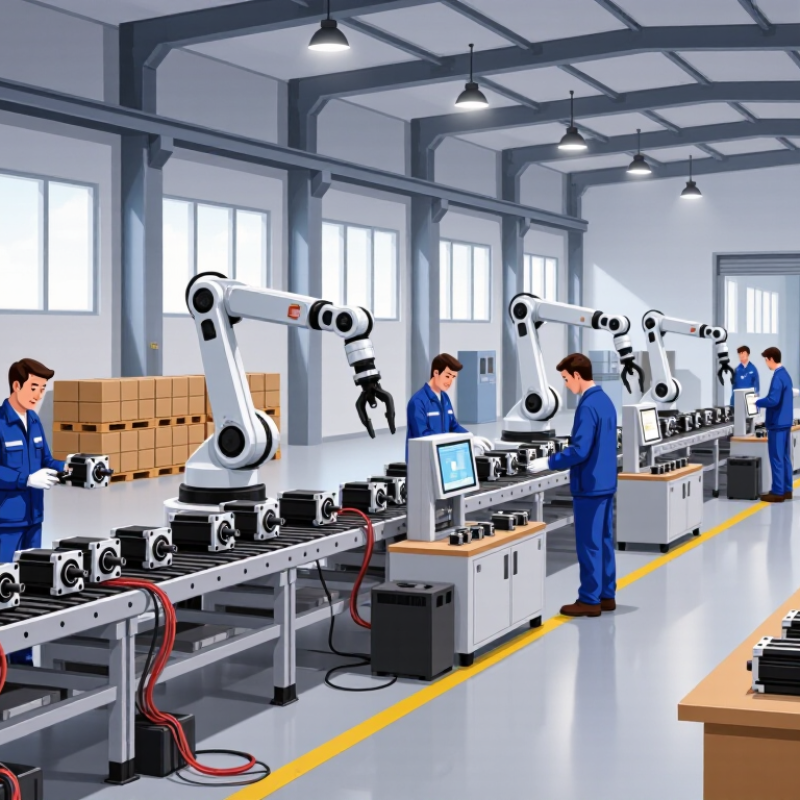
China Top 10 DC Motor Manufacturers for Global Buyers

DC Motors: Types, Uses, and Importance in Global Industries

DC motors convert electrical energy into controlled mechanical motion. Their designs differ sharply. Brushed DC motors use simple commutation and offer low initial cost. Brushless DC motors reduce brush wear and suit continuous-duty equipment. Geared DC motors provide higher torque at lower speed. Coreless designs deliver fast response in compact instruments. The right type depends on torque, speed, duty cycle, noise, and maintenance access.

Their industrial importance is substantial. The International Energy Agency reports that electric motor systems consume roughly half of global electricity. The U.S. Department of Energy also identifies pumps, fans, compressors, and material-handling systems as major motor-driven loads. In factories, a small efficiency improvement can affect thousands of operating hours.

Motors power conveyor rollers, robotic joints, medical devices, agricultural equipment, ventilation systems, and vehicle actuators. Quiet operation matters in hospitals. Dust protection matters near production lines.

Details decide performance. Buyers should check IEC 60034 compliance, insulation class, IP rating, overload capacity, and test conditions. A catalog speed is not enough. Shaft alignment, controller quality, ambient temperature, and starting frequency can change real results. I have seen apparently efficient motors fail early because cooling was ignored. That mistake remains common. Market reports also vary in scope, so their figures require careful comparison. A reliable supplier should provide repeatable test data, traceable inspection records, and samples tested under the buyer’s actual load profile. The cheapest quotation can become expensive downtime.

Criteria for Ranking China’s Leading DC Motor Manufacturers

Ranking China’s leading DC motor manufacturers requires more than checking production volume. A serious review examines operating history, engineering depth, and documented quality controls. Factory experience matters when motors must perform through heat, vibration, dust, and repeated start-stop cycles. Ask for test records, not promises. Useful evidence includes torque curves, noise readings, insulation tests, and endurance results from representative samples.

Technical capability is another key measure. Strong manufacturers can adjust voltage, shaft dimensions, winding design, gear ratios, and mounting structures without weakening reliability. Their engineers should explain load calculations clearly and identify unsuitable specifications. This is often where buyers learn the most. A fast quotation may hide a poor match. Reviewers should also inspect production flow, incoming material checks, calibration records, and final inspection procedures.

Export readiness deserves equal attention. Ranking criteria should include stable lead times, traceable batches, accurate technical documents, and support with regional compliance requirements. Buyer feedback is valuable, but it can be incomplete or overly positive. Independent sample testing adds confidence, especially for motors used in medical equipment, automation, vehicles, or outdoor systems. After-sales response should be measured through actual questions, replacement handling, and failure analysis. No ranking is perfectly objective. A manufacturer may excel in high-volume standard motors yet struggle with small custom orders. That difference should remain visible.

Profiles of the Top 10 Chinese DC Motor Manufacturers

China’s DC motor sector includes a wide range of specialized manufacturers. The ten profiles below represent common strengths among established Chinese suppliers. Some focus on miniature motors for medical devices, smart locks, and portable equipment. Others produce brushed motors for pumps, fans, toys, and automotive accessories. Several factories also develop brushless DC motors for automation, robotics, and energy-saving systems.

A strong manufacturer usually controls winding, magnet installation, balancing, and final testing in-house. This improves consistency between production batches. One profile may emphasize high-torque motors with metal housings and sealed bearings. Another may specialize in quiet motors, using improved commutators and vibration testing. Custom shaft shapes, voltage ranges, connectors, and mounting holes are also common services. I have found that sample testing reveals more than a polished catalog. Small noise differences matter.

The remaining profiles may stand out through flexible low-volume production, export experience, or automated assembly lines. Reliable suppliers should provide test data for speed, current, torque, temperature rise, and service life. ISO-based quality systems can support traceability, but certification alone proves little. Buyers should inspect sample reports and confirm production capacity before signing large orders. Some manufacturers communicate well during development yet respond slowly after delivery. That weakness deserves attention. Factory audits, reference checks, and written specifications reduce avoidable risk. No profile should be accepted without independent verification.

Product Comparison: Performance, Customization, and Certifications

When comparing leading DC motor manufacturers for global purchasing, performance should be measured under the same conditions. Check rated voltage, continuous torque, speed stability, efficiency, noise, and thermal rise. A motor reaching high speed may still perform poorly under load. Ask for test data at the intended duty cycle, not only catalog values.

Customization often separates a suitable motor from an expensive compromise. Manufacturers may adjust shaft length, mounting holes, winding design, gear ratio, connectors, and encoder feedback. Some can provide sealed housings for dusty equipment or low-noise designs for medical and office applications. Request sample units before approving mass production. Small changes can affect heat, vibration, and service life. This is where many purchasing comparisons become imperfect.

Certification evidence also needs careful review. ISO 9001 supports quality management, but it does not certify every motor’s performance. Depending on the destination, buyers may require CE, UL recognition, RoHS compliance, or other regional documentation. Verify certificates against the exact model, factory, and production site. Ask for traceable test reports and material declarations. A supplier that answers technical questions clearly is usually more reliable than one offering the lowest price. Still, documentation is not proof of field durability. Independent testing and a controlled pilot run remain valuable.

How Global Buyers Can Select the Right DC Motor Supplier

China Top 10 DC Motor Manufacturers for Global Buyers

Choosing a DC motor supplier requires more than comparing catalog prices. Define voltage, torque, speed, load, noise, and duty cycle before contacting manufacturers. A motor running eight hours daily needs different testing than one used intermittently. Ask for performance curves and test records, not broad promises. Check winding quality, bearing selection, insulation, and thermal protection. These details affect service life.

Reliable manufacturers should explain their production controls clearly. Request sample units, inspection reports, material traceability, and evidence of quality certifications relevant to your market. Review their response time and technical understanding. A low price may hide longer lead times, unstable tolerances, or expensive redesign work. Samples reveal gaps. Do not judge capability from a polished website alone. Factory audits, video inspections, and independent testing can provide stronger evidence. Still, no supplier is perfect; even a capable factory may misunderstand a drawing or underestimate a custom requirement.

Tips: Send one complete specification sheet. Include shaft dimensions, mounting holes, connector details, operating temperature, and expected lifetime. Test samples under real conditions, including startup loads and continuous operation. Confirm packaging, warranty terms, spare parts, minimum order quantity, and delivery schedules in writing. Keep one backup supplier under review. It may seem inefficient, but supply problems rarely arrive politely. Clear communication and documented approvals reduce preventable mistakes.

FAQS

What should buyers check when comparing DC motor manufacturers?

Review operating history, engineering skills, and documented quality controls. Ask for torque curves, noise readings, insulation tests, and endurance results. Factory age alone proves little.

Why are motor test records important?

Test records show how a motor handles heat, vibration, dust, and repeated starts. Request results from representative samples. Promises are not enough.

Which technical details should buyers provide?

Include voltage, torque, speed, load, duty cycle, shaft size, and mounting holes. Add connector details and operating temperature. Missing one detail can cause redesign work.

How can buyers judge a supplier’s customization ability?

Ask whether engineers can adjust windings, gear ratios, shafts, and mounting structures. Good engineers explain load calculations clearly. A quick quotation may hide a poor fit.

What production controls should a supplier explain?

Request incoming material checks, calibration records, production controls, and final inspection procedures. Ask for material traceability and inspection reports. Paperwork can still contain gaps.

Should buyers test sample motors independently?

Yes, especially for demanding equipment or outdoor systems. Test startup loads, continuous operation, noise, temperature, and endurance. Samples reveal problems, though one sample cannot reveal everything.

How can buyers assess export readiness?

Check lead-time stability, batch traceability, technical documents, packaging, and written delivery schedules. Confirm market-specific compliance support. Delays rarely arrive politely.

What should buyers confirm after receiving a quotation?

Confirm warranty terms, spare parts, minimum order quantity, and replacement handling. Review technical responses, not only the price. A low quote may create expensive changes later.

Is a manufacturer ranking completely objective?

No ranking is perfect. A factory may excel at standard motors but struggle with small custom orders. Buyer feedback may also be incomplete or overly positive.

Why keep a backup supplier under review?

Supply problems can interrupt production without warning. A second qualified supplier reduces pressure during delays or failures. It feels inefficient, but it can protect schedules.

Conclusion

This guide presents Dc Motors as essential components in automation, transportation, appliances, medical equipment, and other global industries. It explains the main motor types, including brushed and brushless designs, while highlighting how factors such as torque, speed, efficiency, durability, and maintenance requirements affect application performance. The article also introduces practical criteria for evaluating leading Chinese manufacturers, including production capability, quality control, engineering expertise, delivery reliability, and after-sales support.

A structured comparison of ten Chinese suppliers focuses on product performance, customization options, testing standards, certifications, and suitability for different operating environments. Rather than relying on brand reputation alone, global buyers are encouraged to assess technical specifications, communication efficiency, sample quality, production consistency, and total purchasing cost. By matching motor design and supplier capabilities with project requirements, buyers can reduce procurement risks, improve equipment reliability, and establish more effective long-term cooperation.


Madeline

Madeline

Madeline is a dedicated marketing professional with a wealth of expertise in our company's core offerings. With a keen understanding of the industry, she brings a unique perspective to her role, consistently delivering high-quality content that highlights the superior aspects of our products. As......