Choosing the right Customised Explosion-Proof Motors is not a simple catalogue exercise. Global buyers often face dust, gas, humidity, temperature changes, and severe starting loads. Each condition can alter the motor design, enclosure, cooling method, and certification requirements.
Hugh Hoagland, a respected electrical safety specialist, offers a useful principle: “Safety is not a product; it is a process.” That idea applies directly to hazardous-area motor selection. A motor may look suitable on paper, yet fail to match the actual site environment. Small details matter. Cable entries, shaft seals, bearing protection, surface temperature, and brake performance all deserve careful review.
Customised Explosion-Proof Motors can support pumps, fans, compressors, conveyors, and other demanding equipment. The best solution usually begins with field data, not assumptions. Buyers should share voltage, frequency, power, duty cycle, ambient temperature, altitude, mounting position, and hazardous-area classification. Incomplete information creates avoidable risk.
The process is not always neat. Specifications may change late. Delivery pressure can encourage shortcuts. That is where experienced engineering support becomes valuable. Manufacturers should explain test procedures, documentation, maintenance limits, and certification scope clearly. They should also admit when a standard design is unsuitable.
A reliable motor is more than a sealed housing. It is a carefully matched system. For global buyers, the strongest purchasing decision balances safety, efficiency, serviceability, documentation, and long-term operating cost. Price matters. But a cheaper motor can become expensive when downtime begins.
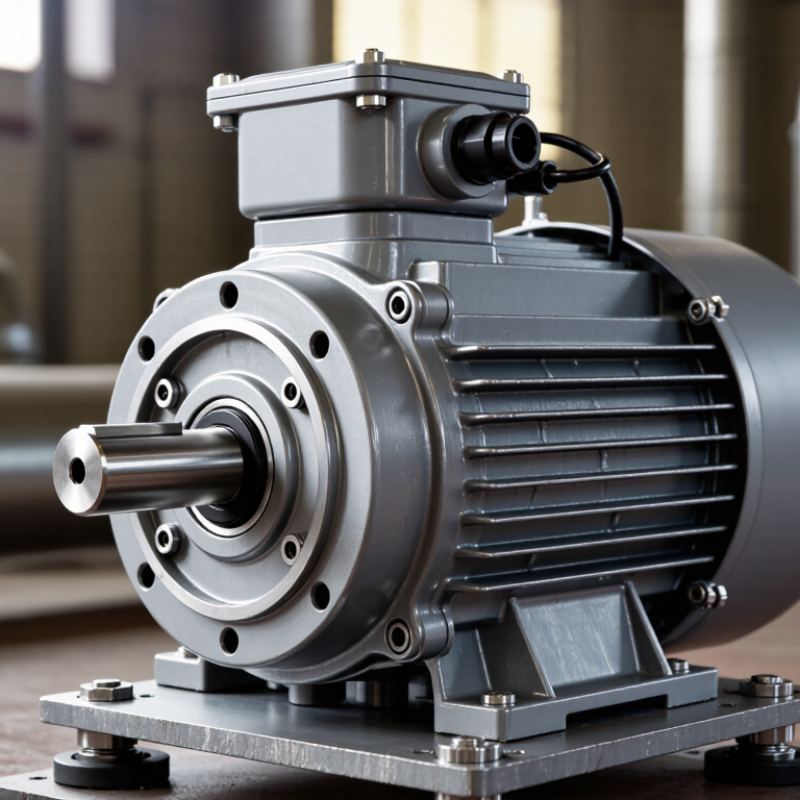
Explosion-Proof Motors: Definition, Purpose, and Core Safety Principles
Top Customised Explosion Proof Motors for Global Buyers?
Explosion-proof motors are designed for hazardous areas where gas, vapor, or combustible dust may exist. They do not prevent every internal fault. Instead, their enclosure contains an internal ignition and limits flame or hot particles from reaching the surrounding atmosphere. This distinction matters. A certified motor must match the site’s hazardous-area classification, temperature limits, and dust or gas group. Its purpose is to reduce ignition risk while delivering dependable mechanical power.
Core safety depends on enclosure strength, controlled surface temperature, sealed cable entries, and suitable insulation. The motor’s cooling system must also work without creating unsafe hot spots. Buyers should confirm voltage, frequency, mounting position, duty cycle, ambient temperature, and ingress protection. Customisation is useful, but unverified changes can weaken the original safety design. That point is sometimes overlooked.
Tips: Request complete certification documents and installation instructions. Check terminal boxes, cable glands, bearings, and brake systems as carefully as the motor body. Ask a qualified engineer to review the area classification before ordering. During maintenance, never ignore damaged seals, unusual vibration, or rising surface temperature. Small defects can become serious. A practical review should include operating records, inspection intervals, and local certification requirements. Even experienced teams can miss one detail.
Key Types and Hazardous-Area Ratings for Different Industrial Applications
Top Customised Explosion Proof Motors for Global Buyers?
Selecting an explosion proof motor starts with the hazard, not the horsepower. Gas, vapor, and combustible dust require different protection methods. Ex d motors contain internal ignition through a strong flameproof enclosure. Ex e designs reduce sparking and overheating risks. Ex p motors use clean protective air pressure. Dust-prone areas may require Ex t protection. Details matter.
Area classification guides the rating. Zone 1 usually needs equipment suitable for gases present during normal operation. Zone 2 covers gas hazards that appear less frequently. Dust zones 21 and 22 follow a similar logic. Buyers should also check gas groups, such as IIA, IIB, or IIC. Temperature classes, from T1 to T6, confirm the motor surface stays below ignition limits. A small rating mismatch can create a serious installation problem.
Custom specifications may include voltage, frequency, mounting position, brake systems, stainless fasteners, and corrosion-resistant coatings. A motor for a coastal chemical plant needs different protection from one used near a dry grain conveyor. Confirm ambient temperature, altitude, duty cycle, cable entries, and maintenance access before ordering. Do not guess. Certification must match the destination market and installation standard, such as IECEx or regional requirements. In practice, project data is sometimes incomplete, and even experienced teams overlook heat accumulation around enclosed motors. Rechecking the selection with a competent engineer is slower, but usually cheaper than replacing unsuitable equipment.
Customization Options for Voltage, Power, Enclosure, Cooling, and Mounting
Top Customised Explosion Proof Motors for Global Buyers?
A reliable explosion-proof motor begins with the site, not a catalogue. Buyers should confirm supply voltage, frequency, starting method, and available power. A 400 V, 50 Hz motor may not suit a 460 V, 60 Hz installation. Small mismatches can cause overheating, weak torque, or early failure. Share the driven load, duty cycle, altitude, ambient temperature, and hazardous-area classification with the manufacturer. Real operating details matter more than a simple horsepower request.
Customization also covers the enclosure, cooling system, and mounting arrangement. Choose an enclosure suited to dust, moisture, washdown, or corrosive vapors. Cooling may require a larger fan, external ventilation, or a different thermal design. Foot-mounted, flange-mounted, and vertical configurations must match the machine frame and shaft direction. Check shaft dimensions, cable entries, terminal-box position, and lifting points before production. I have seen projects delayed because mounting drawings were reviewed too late. That mistake is avoidable, but not always obvious.
Tips: Request a dimensional drawing and performance curve before approval. Confirm insulation class, temperature rise, bearing arrangement, and terminal markings. Ask for test records from an authorized inspection body. Allow space for maintenance access. Do not assume a standard enclosure fits every site. A cautious review may feel slower, yet it usually prevents costly changes after delivery. Even experienced buyers should recheck local certification requirements, because assumptions can age badly.
Global Standards, Certifications, and Compliance Requirements
Top Customised Explosion Proof Motors for Global Buyers?
For global buyers, explosion proof motor compliance begins with the hazardous area classification. Confirm whether the site contains gas, vapor, mist, or combustible dust. Zone, equipment group, temperature class, and protection method must match the installation. A motor designed for Zone 1 gas service may not suit a dust-filled Zone 22 area. Details matter.
IECEx certification supports international acceptance, while ATEX requirements apply across the European market. Other regions may require national approvals, such as UL or CSA certification. These systems are not interchangeable. Buyers should request valid certificates, test reports, marking details, and manufacturing quality records. The nameplate should show protection type, gas or dust group, temperature class, rated voltage, frequency, and ambient limits. Missing one field can delay approval.
Customisation also affects compliance. Changes to winding design, bearings, cooling fans, cable glands, or terminal boxes may require technical reassessment. A supplier should provide drawings, installation instructions, inspection records, and maintenance guidance in the buyer’s required language. Local authorities may ask for additional documents. A certificate alone is not enough.
Practical procurement teams also verify ingress protection, thermal performance, energy efficiency, and spare-part compatibility. Factory acceptance testing can reveal vibration, temperature, or noise problems before shipment. We should admit one uncomfortable fact: global compliance is rarely simple. Requirements can change, and assumptions create expensive delays. A careful review with an accredited conformity specialist remains essential.
Top Customised Explosion-Proof Motors for Global Buyers
Global Standards, Certifications, and Compliance Requirements
The chart shows the minimum Equipment Protection Level (EPL) generally associated with hazardous-area zones under IEC 60079-0 and IEC 60079-10-1/-2. The severity index is a visual scale: 3 = highest protection, 2 = enhanced protection, and 1 = normal protection for the defined zone. Actual motor selection also requires verification of the applicable IECEx or ATEX certification, temperature class, gas or dust group, ambient conditions, and national approval requirements.
How International Buyers Can Evaluate Suppliers and Select the Right Motor
Customised Explosion Proof Motors for Global Buyers
International buyers should evaluate the supplier before comparing motor prices. Request the hazardous-area classification, gas or dust group, temperature class, IP rating, and applicable certification. These details must match the installation site. A motor for a chemical processing room may need different protection from one used near grain dust.
Ask for drawings, datasheets, routine test reports, and material traceability. Check the rated voltage, frequency, torque, duty cycle, altitude, ambient temperature, and cooling method. A supplier should explain how the motor handles frequent starts or heavy conveyor loads. Vague answers are warning signs. Very polished documents can still hide gaps.
Review production experience through factory audits, reference projects, and inspection procedures. Confirm whether the supplier can control shaft dimensions, bearings, cable entries, and terminal-box layout. Discuss spare parts, delivery packaging, warranty limits, and technical support across time zones. A sample motor or witnessed test may cost more, but it can expose vibration or temperature problems early. No checklist is perfect. Specifications sometimes change after installation, and buyers may overlook maintenance access. Leave room for that uncomfortable question before signing the purchase order.
FAQS
Start with the hazard, not horsepower. Identify gas, vapor, mist, or combustible dust. Details matter.
Ex d contains ignition inside a strong enclosure. Ex e reduces sparking and overheating. Ex p uses clean protective air pressure. Ex t protects against combustible dust.
Zone 1 usually involves gas during normal operation. Zone 2 involves less frequent gas hazards. Dust zones 21 and 22 follow similar principles.
Gas groups describe ignition sensitivity. Temperature classes confirm the motor surface stays below ignition limits. A small mismatch can cause installation problems.
Check voltage, frequency, starting method, load, and duty cycle. A 400 V, 50 Hz motor may not suit 460 V, 60 Hz service. Wrong settings can cause weak torque or overheating.
Buyers can specify cooling, enclosure design, mounting, shaft size, cable entries, and terminal-box position. Coastal sites may need corrosion-resistant coatings and stainless fasteners. Dry grain areas need strong dust protection.
Request dimensional drawings, performance curves, marking details, test records, and maintenance instructions. Check the required regional approval system. A certificate alone is not enough.
Confirm ambient temperature, altitude, heat accumulation, lifting points, and maintenance clearance. Review mounting drawings early. Late changes hurt.
Yes. Winding changes, bearings, fans, cable glands, or terminal boxes may require technical reassessment. Do not assume a modified motor remains approved.
Use factory testing to check vibration, temperature, noise, and performance. Recheck the selection with a competent engineer. It feels slower, but replacement costs more.
Conclusion
Customised Explosion-Proof Motors are engineered to operate safely in environments where flammable gases, vapours, dust, or fibres may create ignition risks. Their core safety principles include preventing internal sparks or excessive surface temperatures from igniting surrounding substances, while maintaining reliable performance under demanding industrial conditions. Different hazardous-area classifications and protection ratings help determine the suitable motor type for applications such as chemical processing, oil and gas, mining, food production, and manufacturing.
International buyers can specify voltage, power output, frequency, enclosure protection, cooling method, shaft design, and mounting configuration to match their equipment and operating environment. Careful attention should also be given to temperature class, efficiency, ingress protection, testing procedures, and certifications required in the destination market. When evaluating suppliers, buyers should compare technical documentation, quality-control systems, customization capabilities, delivery support, after-sales service, and compliance records. Selecting a qualified supplier and accurately defining site conditions are essential for achieving safe, efficient, and dependable motor operation.

 Lite Simo