How to Choose the Right Axial Fan Motor for Your Needs?

Time:2026-08-04 Author:Isabella
0%

Choosing the right axial fan motor is crucial for efficiency. In industrial settings, axial fans are widely used for cooling and ventilation. According to a recent market report by Research and Markets, the global axial fan market is expected to reach USD 3.2 billion by 2027, showcasing steady growth.

Many factors impact the performance of an axial fan motor. Selecting a motor with the right specifications can enhance airflow and energy savings. Yet, many users underestimate the impact of motor selection on overall system efficiency. With proper knowledge, decision-makers can avoid costly mistakes.

Additionally, the right axial fan motor should align with the specific application requirements. Each setup has unique needs, and oversight can lead to underperformance. It’s essential to take time and consider every aspect of your choice. Engaging with industry experts can provide valuable insights into making a well-informed decision.
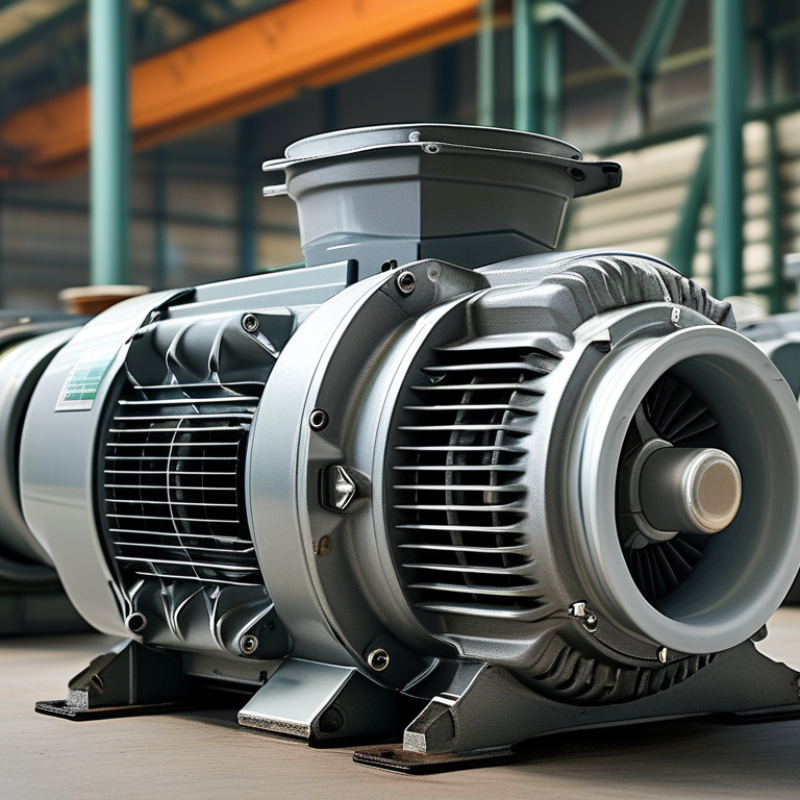
How to Choose the Right Axial Fan Motor for Your Needs?

Understanding the Basics of Axial Fan Motors

When selecting an axial fan motor, it's crucial to understand its basic components and how they work. An axial fan motor draws air along the axis of the fan blades. This design allows for efficient airflow, making it suitable for various applications. Consider the size of the space that needs ventilation. A larger area often requires a more powerful motor. Selecting a motor without assessing these details can lead to inefficiency or inadequate cooling.

The efficiency of an axial fan motor relates to its speed and power consumption. Motors can vary significantly in terms of wattage. Higher wattage often means better performance, but it could also lead to higher energy costs. Many users overlook this aspect and later find themselves facing unexpected bills. Examine the airflow rate, usually measured in cubic feet per minute (CFM). This metric will help ensure the motor meets your specific needs effectively.

Noise levels matter too. Some axial fan motors can be quite loud, which might be disruptive in a home or office. Understanding decibel ratings is essential. It’s common for people to assume all motors are the same in this regard. Lastly, look at the climate of your area. Humidity and temperature can affect motor performance. If not considered, this factor can impact the lifespan and reliability of the motor over time.

Key Factors to Consider When Selecting an Axial Fan Motor

When selecting an axial fan motor, several key factors come into play. The application requirements are paramount. A motor designed for ventilation might differ significantly from one designed for cooling systems. Assessing your specific needs ensures the motor will deliver the desired airflow and efficiency.

Next, consider the motor's size and mounting options. A suitable fan motor should fit the designated space seamlessly. Poor fit can lead to operational inefficiencies and increased noise levels. It's essential to evaluate the installation environment as well. Factors like temperature, humidity, and potential exposure to contaminants can affect motor performance.

Power requirements cannot be overlooked. Determine the voltage and power input needed for optimal functionality. Underpowered motors may struggle and wear out prematurely. On the other hand, overpowered solutions can lead to excessive energy consumption. Lastly, consider the motor's durability and maintenance needs. Regular upkeep might be necessary to ensure longevity, especially in demanding conditions. Thoughtful consideration of these factors can make a significant difference in the selection process.

Types of Axial Fan Motors and Their Applications

When selecting an axial fan motor, understanding the types available is crucial. Axial fan motors typically fall into two main categories: universal motors and shaded pole motors. Universal motors are versatile and can operate on both AC and DC power. They can reach high speeds, making them ideal for applications like vacuum cleaners and portable fans. In contrast, shaded pole motors are usually more energy-efficient, suitable for low-power tasks like exhaust fans and small cooling units.

Notably, energy efficiency plays a significant role in motor choice. According to the U.S. Department of Energy, improving the efficiency of fan systems can reduce energy consumption by up to 30%. This is vital for businesses aiming to lower operational costs. However, the trade-off is often in terms of initial investment; more efficient motors typically come at a higher upfront cost. It’s essential to weigh long-term savings against these initial expenses.

The size and application matter, too. Industrial settings might require larger, more robust motors. Consumer-grade goods may prioritize compactness and lower noise levels. Research indicates that noise considerations can significantly affect user experience, particularly in residential applications. Reflecting on these factors allows for a more informed decision when selecting the right axial fan motor tailored to specific requirements.

Evaluating Performance Metrics of Axial Fan Motors

When selecting an axial fan motor, evaluating performance metrics is crucial. Key metrics include airflow rate, static pressure, and efficiency. For example, high airflow ratings (measured in CFM) are essential for applications requiring significant air movement. Industry reports suggest that a well-designed axial fan can improve airflow efficiency by up to 25%. Understanding these metrics helps ensure that the motor meets specific operational requirements.

Efficiency ratings, often indicated by the efficiency percentage, inform users about energy consumption. Motors with a higher efficiency percentage translate into lower operational costs. However, don’t overlook factors like noise level and durability. A quieter motor could be more beneficial in noise-sensitive environments. Performance metrics, while informative, can be misleading if not viewed in the context of your unique needs.

**Tip:** Always consider your environment's specific requirements. An efficient motor in a controlled setting may underperform in varied conditions.

Choosing a motor is more than just focusing on the numbers; it requires a holistic understanding. For example, two motors with the same CFM might differ significantly in torque, affecting their performance. Get detailed specifications and don’t hesitate to consult industry experts. Their insights can range from material choice to design flaws that may impact longevity and maintenance needs.

Performance Metrics of Axial Fan Motors

Matching Axial Fan Motors to Your Specific Needs

Choosing the right axial fan motor can significantly impact efficiency and performance. To match axial fan motors to your specific needs, consider application type, airflow requirements, and environmental factors.

The Global Fan Market report predicts an annual growth rate of 5.4% from 2021 to 2026. This growth highlights the increasing importance of selecting the right motor.

In industrial settings, you may need high airflow rates. For example, a motor delivering 1000 CFM (cubic feet per minute) could enhance efficiency in cooling systems. If noise is a concern, consider selecting motors designed for quieter operations. Reports suggest that noise levels should not exceed 85 dB in sensitive environments to avoid disturbances.

Tip: Always assess the voltage and current requirements to ensure compatibility with existing electrical systems. If possible, test different motor types in your application to measure performance variance. Reflect on how environmental factors, like dust or humidity, might affect motor lifespan and efficiency. Your final decision should balance performance with long-term reliability.

FAQS

: What factors are crucial when selecting an axial fan motor?

: Application requirements, motor size, power needs, and durability are key factors to consider.

How does the application type influence motor selection?

Motors for ventilation differ from those for cooling systems. Assess your specific needs carefully.

Why is motor size important?

A proper fit ensures operational efficiency and minimizes noise levels. Poor fitting can lead to problems.

What power requirements should I check?

Determine voltage and power input. Underpowered motors can wear out quickly, while overpowered models consume excess energy.

How do environmental factors affect motor performance?

Temperature, humidity, and exposure to contaminants can impact motor efficiency and lifespan. Consider these elements during selection.

What is the recommended noise level for sensitive environments?

Noise levels should ideally remain below 85 dB to prevent disturbances. Choose quieter motors if noise is a concern.

Is regular maintenance important for motor longevity?

Yes, regular upkeep is essential. This is especially true in demanding environments to ensure a long operational life.

How can I ensure compatibility with existing systems?

Always assess voltage and current requirements before selecting a motor. This helps avoid future compatibility issues.

Should I test different motor types?

Testing different motors can provide insights into performance variance. Reflect on overall operational needs.

What should be the balance in my final decision about motor selection?

Aim for a balance between performance and long-term reliability. Consider the impact of your choice on efficiency.

Conclusion

Understanding the right Axial Fan Motor for your specific needs involves several key considerations. First, it's essential to grasp the basics, including how these motors function and their common applications across various industries. Factors such as airflow requirements, noise levels, and energy efficiency should be evaluated when selecting an Axial Fan Motor to ensure it meets the operational demands.

Furthermore, understanding the different types of Axial Fan Motors available can help in making an informed choice. Performance metrics such as rotational speed and static pressure are crucial in matching the motor to your application. Ultimately, by thoroughly evaluating these elements, you can select an Axial Fan Motor that not only fits your current requirements but also optimizes performance and longevity.


Isabella

Isabella

Isabella is a dedicated marketing professional with a sharp focus on driving brand growth and engagement through strategic content creation. With an extensive background in digital marketing, she combines her passion for storytelling with her keen understanding of industry trends to deliver......