How to Choose the Best Drill Motor Pump

Time:2026-11-08 Author:Amelia
0%

Choosing the right Drill Motor Pump is not a catalog exercise. It is a match between the pump, the motor, and the worksite’s real operating conditions. Flow rate and pressure matter, but so do fluid viscosity, temperature, abrasive solids, hose length, and duty cycle. A pump that looks powerful on paper may struggle when the fluid thickens or the suction line runs long. Small details matter.

The U.S. Department of Energy’s Improving Pumping System Performance sourcebook reports that pumping systems use nearly 20% of the world’s electricity demand. It also notes that pumps can account for 25% to 50% of energy use in some industrial facilities. Those figures concern pumping systems broadly, not drill motor pumps alone, but they show why efficient sizing deserves attention. Pump reliability specialist Heinz P. Bloch’s published work offers a useful perspective on equipment reliability. A practical selection rule, informed by that work, is: “Match the pump to the real duty, not the catalog headline.” This is a guide principle, not a verbatim Bloch quotation.

Before comparing models, define the job. Record the required flow, discharge pressure, fluid type, operating hours, and available power. Check whether the pump can handle the fluid and any suspended particles. Review seal materials, cooling needs, and maintenance access, too. There is no universal best choice. A compact unit may suit intermittent work, while continuous operation can demand a different motor and pump configuration. This guide explains how to compare those factors, question unclear specifications, and choose a Drill Motor Pump with fewer costly surprises.
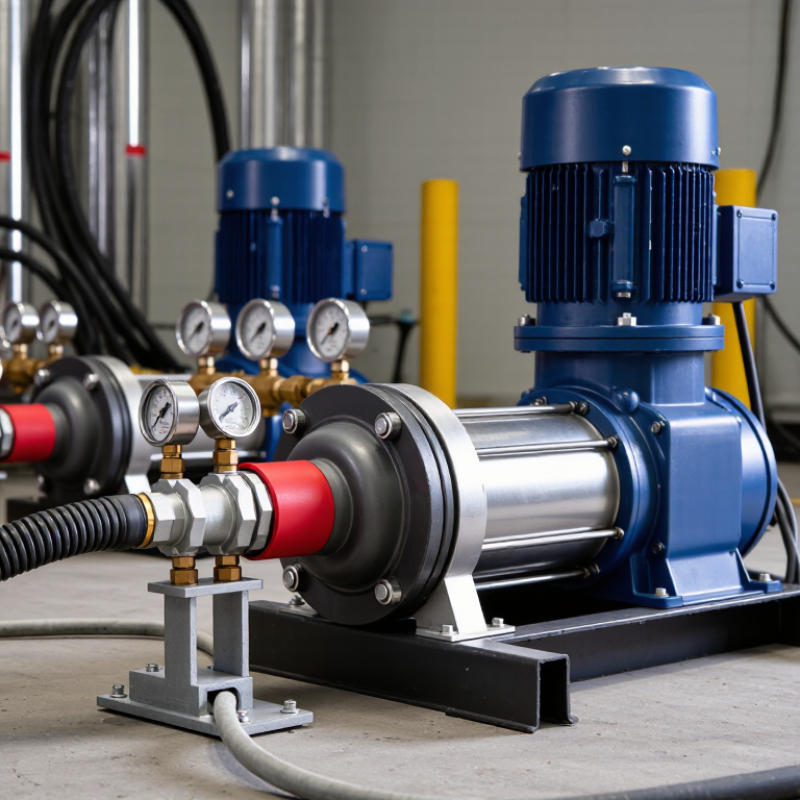
How to Choose the Best Drill Motor Pump

Understand How a Drill Motor Pump Works

A drill motor pump uses a handheld drill as its power source. The drill’s chuck grips the pump shaft and turns it. Inside the pump, rotating parts create movement that draws liquid through the inlet and pushes it out through the outlet. The exact mechanism varies by design; many compact models use an impeller, while others use a different pumping arrangement. Check the product specifications rather than assuming every pump works the same way.

The setup is simple, but small details matter. Fit the shaft firmly in the chuck, then connect the inlet and outlet hoses in the correct direction. Keep the inlet submerged when the pump requires it, and avoid running the unit dry unless its instructions allow that. A clear hose can help you see whether liquid is moving or air is trapped inside. I used to think a faster drill always meant faster transfer. Not quite. Hose length, liquid thickness, lift height, and pump limits can all affect flow. A bucket placed below the pump may fill steadily; a long, raised hose can slow it down. Check the drill’s speed range and the pump’s stated limits before operating. Stop if the housing heats up, the flow falters, or the shaft vibrates unusually.

Define the Fluid, Flow Rate, and Lift Requirements

A drill motor pump should be matched to the fluid, not just the job name. Start by identifying what will pass through it: clean water, rainwater with grit, or a thicker liquid. Small differences matter. Sand can wear internal parts, while leaves may block a narrow inlet. Check the pump’s instructions for permitted fluid types and particle size. If the liquid contains debris, measure or estimate its size before choosing. Guessing is easy, and sometimes wrong.

Next, estimate the flow rate you need and the lift the pump must overcome. Flow rate is the volume moved over time, often listed in gallons per minute or liters per minute. For example, draining a shallow tank may need steady flow, while filling a container quickly calls for greater output. Measure the vertical distance from the water surface to the discharge point. Then account for hose length, bends, and a raised outlet; these add resistance and can reduce actual flow. A pump’s advertised maximum flow may assume little or no lift. That detail matters. Compare the pump’s performance data at your expected lift, rather than relying on the largest number on the label. If your measurements are rough, leave some margin and test with a short hose before committing to a full setup.

Check Drill Compatibility and Pump Performance

Start with the drill, not the pump’s advertised flow rate. Check chuck size, permitted speed range, continuous-duty rating, and torque under load. A pump may fit the chuck yet stall when lifting water through a long hose. Keep the side handle fitted. A clutch setting cannot replace adequate torque. Compare the pump’s flow at your actual lift height and hose length; zero-head flow can be misleading. Look for a performance curve and its test conditions, including hose diameter and fluid temperature.

Match the pump’s required speed and torque, then check its rated head, flow, and duty cycle. A 10 mm hose, a 2 m lift, and several tight bends can cut delivery; test output with a bucket and stopwatch.

The U.S. Department of Energy’s 2014 pump-system sourcebook reports that pumping systems can consume 25–50% of energy in some industrial facilities. That figure does not predict a drill pump’s performance, but it highlights the impact of system losses. The International Energy Agency’s 2011 motor-systems report estimates motor-driven systems use about 45% of global electricity; its scope is much broader than portable pumps.

If the drill warms, pulses, or slows under load, stop and reassess. Published ratings are not always tested alike. Compare carefully.

Compare Materials, Durability, and Safety Features

How to Choose the Best Drill Motor Pump

Compare Materials, Durability, and Safety Features

A drill motor pump’s material should match the liquid, not just the price. Polypropylene can resist many mild chemicals, while stainless steel usually handles corrosion and repeated cleaning better. Aluminum keeps a portable setup light, but it may not suit every fluid or harsh environment. Check seal material, too: a compatible housing cannot prevent a seal from swelling or leaking. The U.S. Department of Energy’s Improving Pumping System Performance sourcebook estimates that pumping systems use nearly 20% of global electricity. That figure concerns pumping broadly, but it underlines why a pump that runs smoothly and efficiently matters. Small details count.

Durability is more than a thick casing. Inspect the shaft connection, bearing support, seal access, and rated speed; a mismatched drill can overheat the pump or damage its impeller. The Hydraulic Institute’s Pump Life Cycle Costs guide recommends considering energy, maintenance, and downtime—not only purchase price. For safety, confirm the pump’s fluid and temperature limits, secure the hose, and keep hands clear of the rotating chuck. Check the seals. Remove the drill battery before inspection, and never run a pump dry unless its instructions allow it. I still find speed ratings easy to overlook; that mistake can turn a quick transfer into a costly repair.

How to Choose the Best Drill Motor Pump - Compare Materials, Durability, and Safety Features

Pump Construction Material Characteristics Durability and Corrosion Resistance Best-Suited Uses Safety and Compatibility Checks Key Buying Consideration
Thermoplastic housing and impeller Lightweight; many engineering plastics resist rust and a range of dilute chemicals. Does not rust, but can be damaged by impact, excessive heat, UV exposure, or incompatible chemicals. Performance depends on the specific plastic. Occasional water transfer, draining, and light-duty household or workshop tasks. Check the manufacturer’s fluid and temperature limits. Do not assume the pump is suitable for drinking water or chemicals. A practical choice when low weight and resistance to rust matter more than heavy-duty impact resistance.
Aluminum housing Relatively light metal with good strength for its weight. Can corrode in some water conditions and may be affected by strongly acidic or alkaline fluids. Surface treatments and alloys vary. Portable water transfer where a metal body is preferred and the fluid is confirmed compatible. Verify compatibility with the fluid and connected fittings. Avoid relying on aluminum for unapproved chemical transfer. Check the wetted parts—not just the outer housing—because seals and impellers may use different materials.
Cast-iron housing Heavy, rigid construction commonly used where sturdiness is important. Can withstand rough handling but can rust when exposed to water and left wet; weight reduces portability. More frequent or stationary water-transfer duties when the pump is designed for the intended setup. Inspect for corrosion and follow the specified priming and operating instructions. Keep electrical equipment away from water unless properly protected. Consider total weight, mounting, and storage conditions as well as the pump’s rated duty cycle.
Stainless-steel wetted components Stainless steel resists rust better than ordinary carbon steel; corrosion resistance depends on the grade and environment. Often a durable option for wet service, but it is not corrosion-proof. Chlorides and some chemicals can cause damage; 316 stainless generally offers better chloride resistance than 304. Water transfer where improved corrosion resistance is needed and the selected grade is compatible with the fluid. Confirm the exact steel grade and all seal, hose, and impeller materials. Stainless steel alone does not make a pump safe for potable water. Look for the material specification rather than relying on a general “stainless” description.
Mixed-material construction May combine a metal body with a plastic impeller, rubber seals, and metal fittings. Overall service life is limited by the component most exposed to wear, corrosion, heat, or chemical attack. General-purpose transfer when the complete assembly is rated for the intended liquid and operating conditions. Check every wetted component, including seals and hose connections; confirm whether the pump must be primed and whether dry running is prohibited. Evaluate the full fluid path and replacement-part availability, not just the housing material.

Selection and safety notes: Drill-driven pumps vary considerably in flow, lift, speed limits, and duty cycle, so compare the model’s published ratings with your job rather than relying on material alone. Use a drill within the pump’s specified speed range, secure the hoses, and stop if the pump vibrates, overheats, leaks, or loses prime. Do not pump fuel, flammable liquids, hot liquids, or drinking water unless the pump is explicitly rated and certified for that use.

Choose a Pump That Fits Your Use and Maintenance Needs

How to Choose the Best Drill Motor Pump

Choose a pump that suits the liquid, job length, and available drill. Start by checking the fluid’s thickness and whether it contains grit. A pump made for clean water may clog quickly with muddy liquid. Check the manufacturer’s flow and lift ratings, then compare them with your actual setup. Long hoses and narrow fittings can reduce flow. A bucket test can help: time how long the pump takes to move a known amount of water.

Think about how often you will use it. For occasional draining, a compact pump may be easier to store and rinse. Repeated jobs call for sturdy connections and parts that are easy to inspect. Keep it simple. Look for clear cleaning instructions and accessible screens or seals. If the pump must be disassembled after each use, consider whether that routine is realistic. Maintenance plans often sound easy in a shop and less appealing beside a wet work area.

Match the pump’s shaft or chuck requirements to your drill, and check the drill’s speed range and power limits. Do not assume a stronger drill solves every problem; excess speed can cause splashing, heat, or wear. One detail that is easy to overlook is hose security. A loose connection can waste time and make a small job messy. Choose a setup you can clean, store, and safely operate without special workarounds. It may not be the fastest option. It should be dependable for your actual routine.

FAQS

How should I choose a drill motor pump for a particular liquid?

Match the pump to the liquid, not just the task. Clean water differs from gritty rainwater or thicker fluids. Check the permitted fluid types and particle size.

Can sand or leaves affect pump performance?

Yes. Sand can wear internal parts, while leaves may block a narrow inlet. Check debris size before choosing. Guessing can go wrong.

How do I estimate the flow rate I need?

Consider how much liquid you need to move and how quickly. A shallow tank may need steady flow; a container may need faster delivery. Allow some margin.

What does lift mean when choosing a pump?

Lift is the vertical distance from the water surface to the discharge point. Hose length, bends, and a raised outlet add resistance. Details matter.

Should I rely on the pump’s maximum flow figure?

Not by itself. Maximum flow may assume little or no lift. Compare performance at your expected lift and hose setup.

How can I check whether my drill is compatible?

Check chuck size, permitted speed, continuous-duty rating, and torque under load. A pump can fit the chuck yet stall with a long hose. Keep the side handle fitted.

How can I estimate real output before a full setup?

Try a short hose, then measure output with a bucket and stopwatch. A 10 mm hose, 2 m lift, and tight bends may reduce delivery. Test carefully.

What should I do if the drill slows or warms up?

Stop and reassess the setup. The drill may lack torque, or the system may have too much resistance. Published ratings are not always tested alike. I would not trust one number alone.

Conclusion

Choosing the best Drill Motor Pump begins with understanding how it works: a compatible drill turns the pump’s mechanism to move liquid from one place to another. Before selecting a model, identify the fluid you need to transfer, the required flow rate, and the vertical lift or distance involved. These factors help determine whether a pump can handle the task efficiently and whether its capacity matches your expectations.

Next, check that the pump is compatible with your drill and review its performance requirements, including speed and operating limits. Compare construction materials for suitability with the fluid and intended conditions, and look for practical durability and safety features. Finally, consider how often you will use the pump, how easy it is to clean and maintain, and whether its design fits your storage and handling needs. A well-matched pump can make routine liquid transfer more convenient and reliable.


Amelia

Amelia

Amelia is a seasoned marketing professional with a wealth of expertise in our company’s core offerings. With an unwavering passion for driving growth and innovation, she plays a pivotal role in shaping our marketing strategies and enhancing brand visibility. A key aspect of her responsibilities......