How to Choose the Best Ball Bearing Motor for Your Needs?

Time:2026-08-08 Author:Liam
0%

Choosing the right Ball Bearing Motor is essential for optimal performance in various applications. The global market for electrical motors is expected to reach $200 billion by 2025, with Ball Bearing Motors accounting for a significant share. These motors are known for their efficiency and durability, making them ideal for industries ranging from manufacturing to automotive.

When looking for a Ball Bearing Motor, consider key factors. Efficiency ratings are crucial; a motor's performance can fluctuate based on load and speed. Experts recommend examining the motor's specifications and compatibility with your equipment. Reliability factors can often be overlooked, yet they play a critical role in long-term performance.

However, not all Ball Bearing Motors are created equal. Understanding your project's specific needs is vital. A motor that excels in one application may underperform in another. Reflecting on past experiences can help in making a more informed decision. In the ever-evolving landscape of technology, continuous research is paramount. This ensures that the chosen motor aligns perfectly with your operational requirements.
How to Choose the Best Ball Bearing Motor for Your Needs?

Understanding the Basics of Ball Bearing Motors and Their Functions

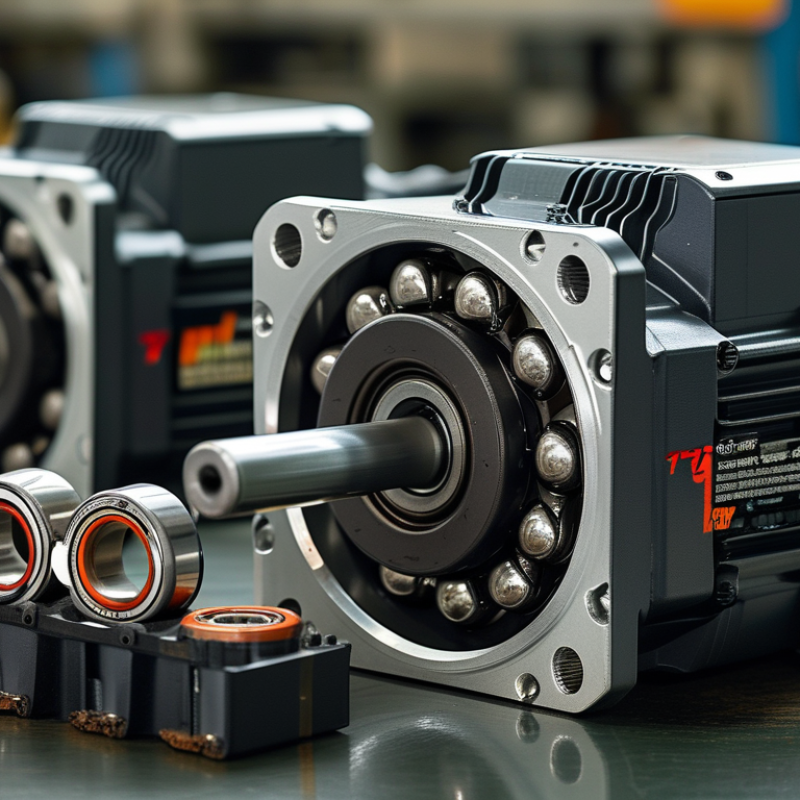
Ball bearing motors are vital components in various applications, including industrial machinery and household appliances. Understanding their basic functions helps in making informed decisions. These motors utilize rolling elements to reduce friction, enhancing efficiency. According to a recent industry report, ball bearing systems can improve motor performance by up to 40%.

Factors to consider include load capacity, speed, and environment. For example, lightweight applications might benefit from standard bearings, while heavy-duty tasks require specialized designs. The material of the bearings also plays a crucial role. Choosing the right material can significantly impact durability and maintenance costs. Some reports indicate that motors using ceramic ball bearings last longer in high-temperature settings, yet they come at a higher initial expense.

However, selecting a motor is challenging. A mismatch between motor and application can lead to reduced performance. Consideration of factors like vibration and noise levels is often overlooked. Simple calculations for load and speed might suffice, yet they may not capture all nuances. Understanding specifications is crucial, yet interpreting data from different manufacturers may confuse consumers. Access to accurate information influences better choices, underscoring the importance of reliable sources in the decision-making process.

Understanding the Performance of Ball Bearing Motors

Key Factors to Consider When Selecting a Ball Bearing Motor

Choosing the right ball bearing motor can impact performance significantly. When selecting one, consider the type of application. Motors designed for high-speed applications need robust bearing systems. Lower friction can enhance efficiency, which is essential in competitive fields.

Another crucial factor is load capacity. Understand the weight and operational demands your motor must handle. Not all motors are built the same. Some may overheat under specific conditions, leading to failure. It’s important to evaluate the environment as well. Exposure to dust or moisture can affect longevity.

Lastly, consider maintenance and support. Not all manufacturers provide adequate resources. Check for documentation, warranty, and customer service. A solid support system adds value to your purchase. Sometimes, it's worth spending more for better support. Reflect on these factors to make an informed choice.

Comparing Different Types of Ball Bearing Motors Available

When selecting a ball bearing motor, understanding the types available can make a significant difference. Generally, there are standard, shielded, and sealed types. Standard ball bearing motors offer flexibility in applications. They are easy to maintain and repair. Shielded motors protect against dust and debris. However, they may not be suitable for high-moisture environments. Sealed ball bearing motors provide maximum protection. They are ideal for harsh conditions but can be more expensive.

Tips: Consider the operating environment. If it’s dirty or wet, a sealed motor might be the best option. Assess your maintenance capabilities as well. Some motors require more upkeep than others.

The choice also depends on your torque and speed requirements. Certain motors excel in high-speed applications, while others provide better torque. Knowing the specifics of your project will guide your decision. Don’t rush this process. Evaluating each type can ensure better performance and longevity in your application. Sometimes, the best option needs time for reflection and analysis.

Assessing Performance Metrics for Optimal Motor Selection

When selecting a ball bearing motor, evaluating performance metrics is crucial. Begin by assessing torque ratings. Torque measures the motor’s capacity to perform work. Higher torque often correlates with better performance, but excessive torque can lead to energy waste. It’s essential to find a balance tailored to your specific application needs.

Another essential metric is speed. The motor's RPM, or revolutions per minute, indicates how quickly it can operate. Different tasks require varying speeds. Too high a speed can lead to overheating, while too low affects efficiency. Analyze the operational requirements carefully.

Efficiency is key to long-term reliability. Check the motor's energy consumption ratings. High efficiency reduces costs over time. However, some motors may rate well in ideal conditions but perform poorly in real-world applications. Understanding your environment helps in making an informed choice. It’s often beneficial to gather insights from user experiences to gauge overall reliability and performance. This research can reveal important details often overlooked in specifications.

Tips for Maintaining and Caring for Your Ball Bearing Motor

Proper maintenance of a ball bearing motor is crucial for optimal performance and longevity. According to a report from the International Journal of Engineering Research and Applications, well-maintained motors can have a lifespan increase of up to 30%. Regularly checking lubricant levels and ensuring cleanliness can prevent unwanted wear. Remember, dirt and dust can accumulate, impacting efficiency.

Routine inspections should include looking for unusual vibrations or noises. These can be early indicators of potential issues. The Electric Power Research Institute recommends checking the alignment and mounting conditions every six months. Addressing minor issues promptly can save costs in the long run.

However, maintenance is not a one-size-fits-all process. Factors like environmental conditions and frequency of use can change how often you need to inspect your motor. It's essential to have a flexible maintenance schedule based on real-world performance. Continuous observation is key. There’s always room for improvement. Don’t hesitate to revisit your maintenance plans as operational demands evolve.

FAQS

: What is the primary function of ball bearing motors?

: Ball bearing motors reduce friction using rolling elements, enhancing efficiency in various applications.

What factors should be considered when selecting a ball bearing motor?

Consider load capacity, speed, environment, and material type for optimal performance and durability.

How does torque impact motor performance?

Torque measures the motor's work capacity; higher torque improves performance but excessive torque wastes energy.

Why is efficiency important in ball bearing motors?

High efficiency reduces long-term costs, but performance may vary in real-world situations compared to rated conditions.

How can users maintain their ball bearing motors?

Regularly check lubricant levels, cleanliness, and inspect for unusual vibrations or noises to prevent wear.

How often should a ball bearing motor be inspected?

Inspect every six months and adjust based on environmental conditions and usage frequency for best results.

What role does lubricant play in motor maintenance?

Proper lubricants minimize friction and wear, significantly increasing the motor’s lifespan and performance.

How can one gather insights about motor reliability?

Research user experiences and reviews to learn about performance details that standard specifications may overlook.

What happens if a motor is mismatched to its application?

A mismatch can lead to poor performance and inefficiency, highlighting the need for careful selection.

What should be done if maintenance reveals minor issues?

Addressing minor issues quickly can prevent bigger problems, saving time and costs in the long run.

Conclusion

When choosing the best Ball Bearing Motor for your needs, it's essential to understand the fundamental workings of these motors and their functions. Ball Bearing Motors utilize rolling elements to reduce friction, leading to better efficiency and longevity. Key factors to consider during selection include the motor's size, torque, speed, and application-specific requirements.

Comparing different types of Ball Bearing Motors is crucial, as variations such as size, power rating, and design can significantly impact performance. Additionally, assessing performance metrics like reliability and thermal characteristics helps ensure optimal motor selection. Lastly, regular maintenance and care, such as lubrication and inspections, are vital to extend the lifespan and efficiency of your Ball Bearing Motor, ensuring consistent performance over time.


Liam

Liam

Liam is a dedicated marketing professional with a profound expertise in the industry, where he excels at highlighting the unique advantages of our core products. With a keen understanding of market trends and consumer needs, Liam frequently updates our company’s professional blog, providing......