10 Best Coupling Drive Motors for Global Buyers

Time:2026-09-27 Author:Isabella
0%

Choosing the right Coupling Drive Motors can influence uptime, energy use, and maintenance costs across many industries. Global buyers often compare torque, speed, coupling design, voltage, enclosure ratings, and service support. These details matter on a factory floor, especially where dust, vibration, or frequent starts can stress the drive system.

This guide reviews ten motor options for international purchasing decisions. Each selection is considered through practical performance, build quality, supplier experience, and application suitability. We look beyond catalog figures. A motor may show impressive efficiency, yet perform poorly when alignment is inaccurate or cooling is limited. Small details matter.

Think about the installation site.

Input voltage differs between regions. Standards and documentation also vary. Buyers should verify certifications, wiring diagrams, spare-part access, and warranty terms before ordering. Real operating conditions deserve attention. A motor running beside a hot conveyor needs different protection from one installed in a clean indoor workshop.

No ranking is perfect. The best choice depends on load behavior, duty cycle, space, and budget. Some manufacturers provide stronger technical guidance than others, but support quality can be difficult to measure before purchase. That uncertainty deserves careful review. We have therefore balanced measurable specifications with practical concerns reported by engineers and maintenance teams.

The following comparison is designed to make that process clearer. It highlights strengths, limitations, and suitable applications without treating any single model as universally ideal. Performance claims should still be confirmed with the manufacturer and tested against your equipment requirements.
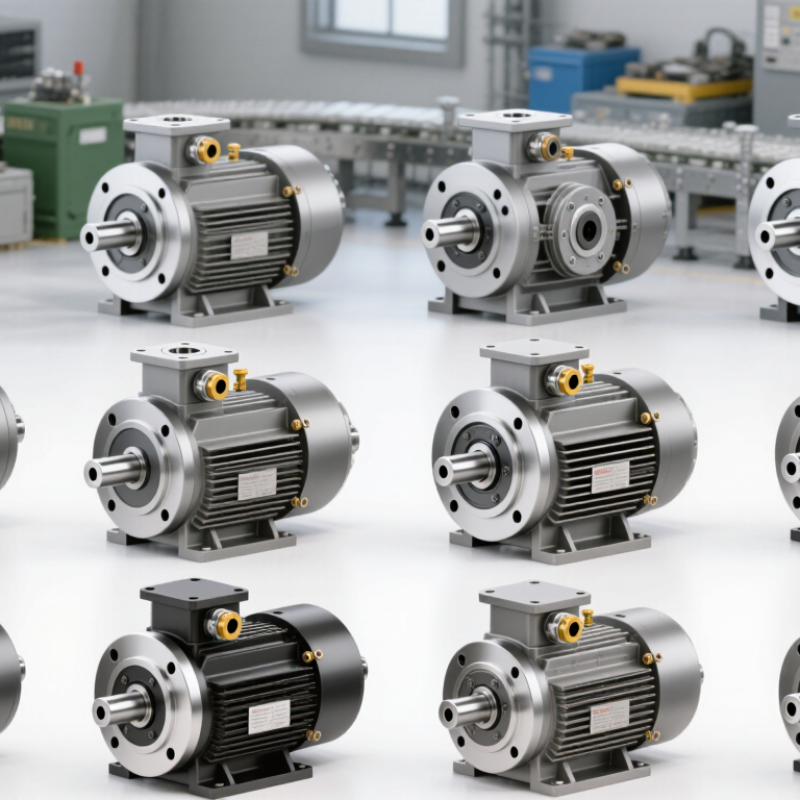
10 Best Coupling Drive Motors for Global Buyers

What Coupling Drive Motors Are and How They Work

A coupling drive motor system pairs an electric motor with a shaft coupling to transmit rotation to a pump, fan, or other machine. The coupling joins the motor shaft to the driven shaft. As the motor turns, the coupling carries torque across the connection, letting the load rotate. A flexible coupling can absorb modest vibration and slight shaft offset; a rigid one prioritizes precise alignment. Neither type corrects poor installation.

During starts, stops, or speed changes, the coupling experiences changing forces. Its material, rated torque, speed limit, and temperature range should match the operating conditions. A small pump may run smoothly at steady speed yet stress a coupling during frequent starts. Technicians check shaft alignment, fasteners, unusual noise, and heat during commissioning and scheduled inspections. Small clues matter. Wear patterns can suggest imbalance or looseness, but diagnosis should consider the entire drive train.

Tips: Confirm shaft sizes and load data before selection. Check the coupling’s technical ratings, then measure alignment with suitable tools. Recheck it after tightening. Leave room for inspection; rushed installation is easy to regret.

Key Specifications for Comparing Coupling Drive Motors

When comparing coupling drive motors, start with rated power, torque, and speed under the actual load—not just the headline kilowatt figure. A conveyor starting with a full belt needs different starting torque from a fan running steadily. Check the duty cycle and service factor, too. Small details matter.

Shaft diameter, keyway dimensions, coupling type, and allowable misalignment must match the driven equipment. Ask for the coupling’s permitted angular and parallel offsets; a few millimeters can increase vibration and bearing wear. Compare motor efficiency at the expected operating point, not only at full load. The U.S. Department of Energy’s Improving Motor and Drive System Performance: A Sourcebook for Industry reports that motor-driven systems account for about 68% of electricity use in U.S. manufacturing. That figure makes efficiency more than a catalog detail.

Check enclosure rating, insulation class, cooling method, and ambient-temperature limits against the installation site. A dusty workshop and a clean, climate-controlled room are not equivalent. Review starting current and compatibility with any variable-speed drive. Also request vibration and noise data where the motor sits near workers or sensitive equipment. Datasheets can still omit real operating conditions. I would verify them with a load profile, and admit that this step is often skipped.

Ten Coupling Drive Motors for Global Buyers

For global buyers, the right coupling drive motor depends on the load, speed, duty cycle, and installation space. A useful shortlist covers ten options: AC induction, synchronous, servo, stepper, DC, geared, brake-equipped, hollow-shaft geared, high-efficiency, and washdown-rated motors. Each suits a different operating need. A servo motor can support precise positioning, while a geared motor can provide lower output speed and higher torque. These are starting points, not guarantees.

Check the motor and coupling as one assembly. Compare rated torque with the machine’s starting load, and confirm shaft diameter, keyway, and allowable misalignment. A flexible coupling may absorb small alignment errors, but it cannot correct poor installation. Ask suppliers for duty-cycle data, mounting drawings, insulation details, and test records. A clear datasheet saves time.

Conditions matter. A motor running a conveyor in a dusty warehouse faces different demands from one driving a pump near frequent washdowns. Buyers should confirm ambient temperature, ingress protection, supply frequency, and service access before ordering. Keep a little margin. In practice, specifications can look complete while omitting the actual start-stop pattern. That detail is easy to miss, and worth checking twice.

How to Match a Motor to Its Application and Operating Environment

A coupling-drive motor must fit the driven machine, not just the purchase list. Start with the required shaft speed, continuous torque, and starting load. A pump may start gently; a loaded conveyor can demand much more torque at startup. Check the equipment’s duty cycle, too. Intermittent service and round-the-clock operation place different demands on insulation and cooling. Small details matter.

Then inspect the installation. Measure available space, shaft height, and coupling dimensions, and confirm the motor’s mounting arrangement. A flexible coupling can tolerate limited misalignment, but it cannot rescue poor alignment or a soft base. Check ambient temperature, dust, washdown exposure, and ventilation. In a hot enclosure, a motor rated for the room may still run too warm if airflow is blocked. This is easy to overlook.

For international projects, compare the nameplate voltage and frequency with the site supply, and confirm the starting method suits the electrical system. Use service-factor and efficiency data carefully; neither replaces a realistic load estimate. Leave room for maintenance access, and record the operating current after commissioning. Catalog values help, but field conditions can be messier than calculations. If load data is uncertain, measure it before choosing the frame size.

Global Sourcing, Installation, and Maintenance Considerations

For global sourcing, specify the operating conditions before comparing motor prices. Share required torque, speed, duty cycle, supply voltage, frequency, and ambient temperature. Small details matter. Provide shaft diameter, keyway dimensions, and coupling type; a mismatch can delay installation even when the motor’s power rating looks correct. Request dimensional drawings, test documentation, and clear information about replacement parts and delivery times. Check that the proposed assembly suits the actual driven equipment, not just the catalog description.

At installation, verify the nameplate against the site’s electrical supply and confirm the direction of rotation. Align the motor and driven shaft with suitable measuring tools. A flexible coupling can accommodate limited movement, but it cannot correct poor alignment. Check for soft foot, secure the base, and allow for expected thermal growth. Keep the coupling guard in place. Local site conditions vary, so a qualified technician should confirm the installation. A rushed fit shows later.

After commissioning, record vibration and temperature as a baseline. Inspect coupling elements, fasteners, and visible wear during scheduled maintenance. Follow the coupling maker’s lubrication guidance; some designs require none. Keep compatible spare elements on hand, especially where shipping takes weeks. One trade-off deserves attention: stocking parts ties up money, but waiting for a small component can stop an entire line. Revisit that decision after the first maintenance cycle.

10 Best Coupling Drive Motors for Global Buyers — Global Sourcing, Installation, and Maintenance Considerations

No. Motor and Coupling Setup Typical Applications Key Advantages Global Sourcing Checks Installation and Maintenance
1 Three-phase induction motor with elastomeric jaw coupling Pumps, fans, conveyors, and general-purpose machinery Common industrial arrangement; the flexible element can accommodate small alignment errors and help dampen torsional vibration. Confirm supply voltage, frequency, rated speed, frame and shaft dimensions, mounting arrangement, enclosure, and required regional documentation. Align the shafts within the coupling manufacturer’s limits. Inspect the elastomer for wear, cracking, heat damage, and chemical incompatibility.
2 Inverter-duty induction motor with flexible grid coupling High-torque conveyors, mixers, crushers, and process equipment Suitable for variable-speed operation when the motor and drive are correctly specified; the grid element can provide torsional flexibility. Check the motor’s inverter suitability, insulation system, cooling at low speed, drive compatibility, and the required torque and speed range. Follow the drive and motor instructions for acceleration, braking, and thermal protection. Inspect the grid and lubricant at the intervals specified by the coupling maker.
3 Servo motor with metal bellows coupling Packaging equipment, indexing tables, robotics, and precision positioning axes Low backlash and high torsional stiffness support accurate motion transmission in properly sized systems. Match coupling bore sizes, maximum speed, torque, inertia, shaft tolerances, and servo peak torque—not just continuous torque. Use precise alignment and avoid axial or radial loads beyond the coupling rating. Check clamping fasteners and inspect bellows for damage.
4 Stepper motor with Oldham coupling Light-duty positioning systems, laboratory equipment, and small automation machines Can accommodate limited parallel shaft offset while transmitting motion in compact assemblies. Verify shaft diameters, permissible misalignment, operating speed, torque, and the coupling element’s temperature and chemical limits. Keep misalignment within the published limits to reduce wear and vibration. Check the center element periodically for wear or loss of fit.
5 Permanent-magnet servo motor with disc coupling Machine tools, test rigs, and high-speed motion systems A torsionally stiff design with no elastomeric element; suitable where accurate motion transfer and compact construction are priorities. Confirm speed rating, torque capacity, bore and key details, balance requirements, and compatibility with the driven equipment. Align carefully and follow the specified tightening sequence and fastener torque. Inspect discs for fatigue, cracks, or deformation.
6 Brake motor with flexible jaw coupling Hoists, material-handling equipment, and machines requiring controlled stopping Combines motor braking with a widely used flexible coupling arrangement; brake selection can support controlled stopping when correctly engineered. Specify brake voltage, duty, stopping requirements, motor supply, shaft dimensions, and applicable local electrical and machinery requirements. Check brake air gap and wear against the motor instructions. Verify coupling alignment and ensure the brake is tested under the intended load conditions.
7 Single-phase induction motor with flexible jaw coupling Small pumps, workshop machinery, and light-duty equipment where three-phase power is unavailable Can operate from a single-phase supply when the motor is designed for that supply and the load is within its rating. Confirm voltage and frequency, starting method, capacitor requirements where applicable, enclosure, shaft dimensions, and starting torque needs. Check starting behavior under the actual load. Inspect the coupling insert and maintain alignment to reduce bearing and coupling stress.
8 Gearmotor with flexible coupling Conveyors, feeders, mixers, and other low-speed, higher-torque drives The gearbox reduces output speed and increases available output torque within its rated limits; the coupling links the gearbox to the driven machine. Specify output speed, required torque, service conditions, gear ratio, mounting position, lubricant requirements, and output shaft interface. Check gearbox lubrication and temperature according to its manual. Align the coupling at the gearbox output and driven-machine shaft.
9 Induction motor with fluid coupling Large conveyors, crushers, and applications with high starting inertia Fluid power transmission can provide a gradual start and help limit torque shock, subject to correct selection and operating conditions. Review starting torque, load inertia, operating speed, thermal duty, cooling needs, and any required fill or service procedure. Follow the fluid coupling manufacturer’s filling and inspection instructions. Monitor temperature, leakage, and start frequency.
10 Inverter-duty induction motor with elastomeric tire coupling Fans, pumps, compressors, and drives where vibration isolation is beneficial The flexible element can absorb some shock and vibration; variable-speed suitability depends on motor, drive, and system design. Confirm inverter compatibility, speed range, torque profile, coupling speed and torque ratings, and element resistance to the operating environment. Check alignment, balance, and operating speed. Inspect the tire element for aging, wear, contamination, and excessive heat.

Selection note: These are common motor-and-coupling configurations, not universal rankings. Final selection should be based on the actual load, torque, speed, duty cycle, alignment, environment, and applicable local electrical and machinery requirements. Verify dimensions, ratings, and installation limits against the manufacturers’ technical documentation.

FAQS

What should I compare when selecting a coupling drive motor?

Compare rated power, torque, speed, duty cycle, and service factor under the actual load. A full conveyor belt needs strong starting torque. A steady fan needs less.

Why is rated power alone not enough?

A headline kilowatt rating may hide poor starting performance or unsuitable operating conditions. Check torque at startup and during normal operation. Small details matter.

How do shaft and coupling dimensions affect compatibility?

Match shaft diameter, keyway dimensions, coupling type, and allowable misalignment. Even a few millimeters of offset can increase vibration and bearing wear.

Can a flexible coupling fix installation errors?

It can absorb small alignment errors, but it cannot correct poor installation. Ask for permitted angular and parallel offsets. Measure twice.

How should motor efficiency be evaluated?

Check efficiency at the expected operating point, not only at full load. A lightly loaded motor may perform differently from its catalog figure. This is easy to overlook.

Which environmental details should buyers confirm?

Check enclosure rating, insulation class, cooling method, ambient temperature, and ingress protection. Dusty workshops and clean rooms require different protection. Washdown areas need extra care.

What electrical information is important before ordering?

Confirm supply frequency, starting current, and compatibility with variable-speed equipment. Also review the motor’s duty cycle and start-stop pattern. Datasheets sometimes omit this.

When are different motor types useful?

Servo motors suit precise positioning, while geared motors provide lower speed and higher torque. Stepper, synchronous, DC, brake-equipped, hollow-shaft, efficient, and washdown-rated motors suit other needs. These are starting points, not guarantees.

What documents should global buyers request?

Request mounting drawings, shaft details, duty-cycle data, insulation information, vibration data, noise data, and test records. Confirm service access before ordering. I might still miss something without a load profile.

Conclusion

Coupling Drive Motors transfer power through a coupling that connects the motor shaft to driven equipment, helping systems operate smoothly and efficiently. Choosing the right motor involves comparing key specifications such as power, speed, torque, voltage, efficiency, shaft dimensions, and duty rating. These factors help buyers assess ten suitable motor options and determine which designs best meet their performance and budget requirements.

A good match also depends on the application and operating environment, including load demands, temperature, moisture, dust, available space, and expected operating hours. Global buyers should confirm technical compatibility, delivery details, installation requirements, and access to replacement parts before purchasing. Correct alignment and secure mounting during installation can reduce vibration and wear. Regular inspection, cleaning, lubrication where applicable, and attention to unusual heat or noise help maintain reliable performance over time.


Isabella

Isabella

Isabella is a dedicated marketing professional with a sharp focus on driving brand growth and engagement through strategic content creation. With an extensive background in digital marketing, she combines her passion for storytelling with her keen understanding of industry trends to deliver......