As industries become more global, the need for reliable and compliant Atex Motors has grown. Experts emphasize the importance of choosing the right motor for safety and efficiency. "Selecting Atex Motors can significantly reduce risks in explosive environments," says Dr. John Miller, a renowned specialist in industrial safety.
Understanding Atex Motors requires knowledge of safety standards and regulations. These motors are designed to function safely in hazardous conditions, such as gas or dust-explosive atmospheres. They must meet stringent guidelines, ensuring protection against ignition sources. However, not all suppliers meet these criteria.
When purchasing Atex Motors, consider factors like certifications, supplier reliability, and performance records. Look for manufacturers with a proven track record in the industry. This diligence can prevent costly mistakes down the line. Reflecting on your choices and initiating careful assessments will lead to better decision-making.
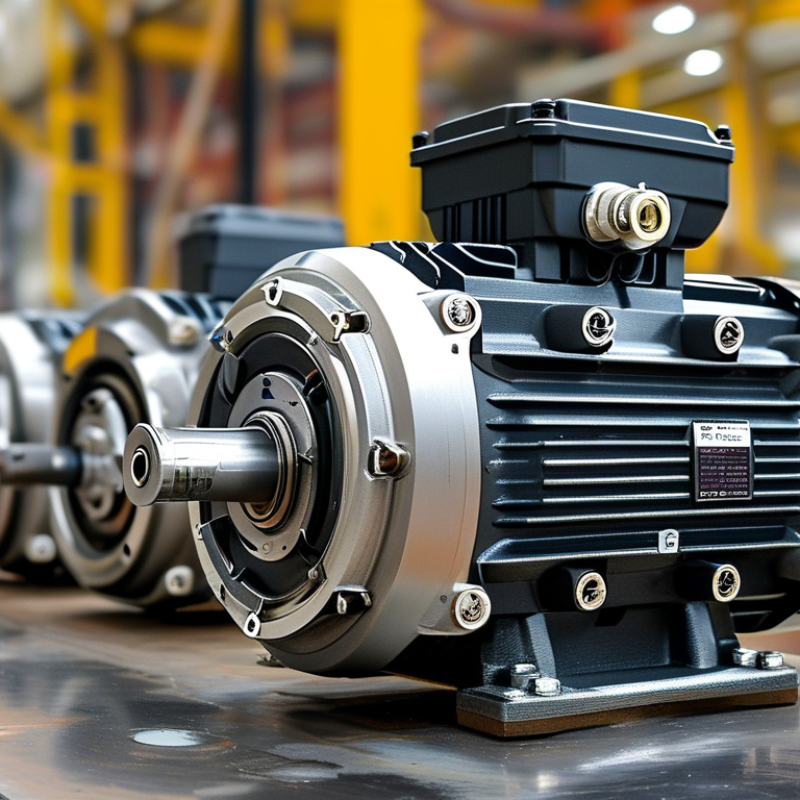
Atex certification is crucial for motors used in explosive atmospheres. Understanding these requirements can be complex. Various factors influence the certification process, including the motor's intended use and environment. This certification ensures safety in hazardous areas, which is essential for industries like oil and gas, mining, and chemical production.
Manufacturers must comply with strict guidelines. They should conduct rigorous testing to verify adherence to Atex standards. This not only enhances safety but also builds trust with consumers. We often see companies struggle with documentation or fail to grasp the full scope of these requirements. Certified professionals should handle these processes to avoid setbacks.
Choosing the right motor requires careful consideration of Atex classifications. These classifications indicate the level of risk associated with particular environments. It's also important for buyers to educate themselves about the ongoing changes in Atex regulations. This knowledge fosters better decisions when sourcing motors. Proper preparation can prevent costly mistakes in the procurement process.
When purchasing Atex motors, understanding key factors is essential. One crucial aspect is the environment where the motor will operate. Atex motors are designed for hazardous zones, so knowing the zone classification is key. Proper certification ensures safety compliance and reliability. If unsure, consult with experts familiar with complex regulations.
Another important consideration is the motor's performance specifications. Assess factors such as power rating, efficiency, and temperature class. This information is vital for operational efficiency. Oversized or undersized motors can lead to inefficiency. Finding the right balance can be challenging but is necessary for optimal performance.
Lastly, consider the manufacturer’s reputation and support services. Reliable suppliers provide extensive documentation and help with installation and maintenance. Experience and authority in the field can ensure that you choose a dependable product. Sometimes, lower prices can lure you into poor decisions. Prioritizing quality over cost is a reflection of sound judgment in selecting Atex motors.
The global market for ATEX motors is evolving rapidly. According to industry reports, the demand for explosion-proof motors is expected to surpass $1.5 billion by 2026. This growth is primarily driven by sectors like oil and gas, chemicals, and pharmaceuticals. Each of these industries faces stringent safety regulations. As a result, suppliers must align their offerings with these stringent requirements.
Top ATEX motor suppliers are focusing on high-quality materials and innovative designs. They emphasize durability and efficiency. For instance, many manufacturers are adopting advanced cooling techniques to enhance performance. These innovations can lead to significant energy savings, making them appealing choices for buyers. However, not all suppliers meet these high standards. Some may cut corners, resulting in inferior products. This inconsistency poses risks for businesses relying on these motors.
Choosing the right supplier is crucial. Industry experts recommend evaluating providers based on their experience and technical support. Certifications and compliance with regional regulations are essential. Many businesses overlook these factors. They end up facing operational disruptions, costing them time and money. Investing time in supplier research can prevent these pitfalls and ensure you get reliable products.
| Supplier Location | Atex Motor Type | Power Rating (kW) | Certification | Price Range (USD) |
|---|---|---|---|---|
| Europe | IE2 | 1.5 | ATEX Zone 1 & 2 | 500 - 700 |
| Asia | IE3 | 2.2 | ATEX Zone 21 & 22 | 600 - 800 |
| North America | Explosion Proof | 3.0 | Class I, Div 1 | 750 - 900 |
| South America | Submersible | 0.75 | ATEX Zone 1 | 400 - 600 |
| Middle East | High Efficiency | 5.5 | ATEX Zone 2 | 1000 - 1300 |
When selecting ATEX motors, understanding industry requirements is critical. Different sectors have varying safety and performance standards. For instance, the chemical sector demands high durability in explosive atmospheres. ATEX motors for this industry often feature robust housings and enhanced cooling systems. This ensures reliability in hazardous conditions.
In the food processing industry, cleanliness is paramount. ATEX motors used here must be resistant to corrosion and easily washable. They often include smooth surfaces that prevent debris buildup. However, finding motors that meet both safety and hygiene standards can be challenging. It’s essential to evaluate performance in real-world scenarios.
The oil and gas sector poses unique challenges. Here, motors must withstand extreme temperatures and pressure variations. Selecting the wrong motor can lead to costly downtime. Users should consider not only specifications but also feedback from operational experiences. This will help in making informed choices for safer environments.
As we look towards the future of ATEX motors, technology is evolving rapidly. Innovative designs are optimizing performance while ensuring safety in hazardous environments. Enhanced materials are being utilized to improve durability and efficiency. Suppliers are increasingly focusing on custom solutions tailored to specific industry demands. These trends reflect a growing emphasis on collaboration and understanding customer needs.
Data analytics is playing a key role in shaping supplier practices. Monitoring and reporting tools now allow suppliers to track performance in real time. This shift towards data-driven decision-making enhances reliability. However, there is still a significant gap in standardization across the industry. Addressing this challenge is crucial for maintaining safety and compliance.
The integration of smart technologies is another emerging trend. More ATEX motors will incorporate IoT capabilities, enabling remote monitoring. This innovation raises questions about cybersecurity. As the industry embraces these changes, suppliers must remain vigilant and adaptable. This evolving landscape demands continuous learning and improvement in practices.
tex certification important for?
Several factors influence it, including the motor's intended use and environment. Each case can be unique.
Manufacturers must conduct rigorous testing to verify compliance. This enhances safety and builds consumer trust.
Many companies struggle with documentation. Some fail to grasp the full scope of requirements. It can lead to setbacks.
Atex classifications indicate risk levels for specific environments. Buyers should educate themselves to make better sourcing decisions.
Overlooking regulations can lead to costly procurement mistakes. Proper preparation can prevent operational disruptions.
The global demand for Atex motors is expected to exceed $1.5 billion by 2026. This is due to strict regulations.
Consider a supplier's experience and technical support. Certifications and regional compliance are also critical factors.
Suppliers focus on high-quality materials and innovative designs. Advanced techniques boost performance and energy savings.
Inferior products may cut corners, leading to operational risks. It's important to invest time in supplier research.
The "2026 Atex Motor Buying Guide for Global Suppliers" provides essential insights into selecting Atex motors for various applications. Understanding Atex certification requirements is crucial for ensuring compliance with safety standards in potentially explosive environments. When purchasing Atex motors, buyers should consider key factors such as the specific application, environmental conditions, and motor efficiency.
Additionally, the guide features a comparative analysis of Atex motors across different industries, highlighting how various suppliers meet diverse needs. It also discusses future trends in Atex motor technology, emphasizing the importance of innovation and adaptability in supplier practices to enhance safety and performance. This comprehensive overview serves as a valuable resource for global suppliers navigating the complexities of Atex motor procurement.

Lite Simo